
Growing your own raspberries is incredibly rewarding. There is nothing quite like picking fresh, sweet berries right outside your door. However, if left to their own devices, raspberry plants can become a wild, tangled mess that takes over your entire yard. To get a heavy harvest of healthy fruit, you need to set your plants up for success. Here are the most important tips for growing great raspberries at home.
thumbnail-i5iwu6lgobtuescuinzei5tomqyxkmsdWhy There Are Some Gardening Tools You Should Stay Away FromNOW PLAYING
thumbnail-lb5fo5dmgrrue3skmjlvg4siovkgmusbWater-Saving Gardening Tips to Save the Environment and Your Wallet
thumbnail-njqtg2ryn5mueustnrfvaodvgrvvotruThis One Passion Links King Charles to His Grandchildren Across the Globe
thumbnail-ovueuncijfmue2tfnbgdqzspmznfk2jvBecome an Indoor Gardener And Grow These Herbs Inside Your Home
thumbnail-jfvg23thn5eue3bnlbuu23kdkrlvcx2cClever Hacks for Gardening On a Budget
thumbnail-mzehmqszlbzuerllm5swmscemv3tsslgGardening is a Hobby Many Have Decided to Try
thumbnail-kyzdi3stnzvue2krgntdczddijbucs2rGet Your Garden Ready for the Spring and Summer Months
Raspberries are aggressive growers. They spread by sending out underground roots, called runners, which pop up as new plants far away from the original bush. If you do not contain them, they will quickly take over your lawn and garden.
Use physical barriers: Plant your raspberries in a raised bed or bury a heavy-duty plastic root barrier about 18 to 24 inches deep around the planting area to stop the roots from traveling.
Mow the borders: Create a wide grass border around your berry patch. Whenever a new raspberry shoot pops up in the grass, simply mow right over it to keep it in check.
Pull stragglers early: If you see a small plant growing outside its designated area, pull it up by the root immediately before it gets established.
Support the Plants with a Trellis
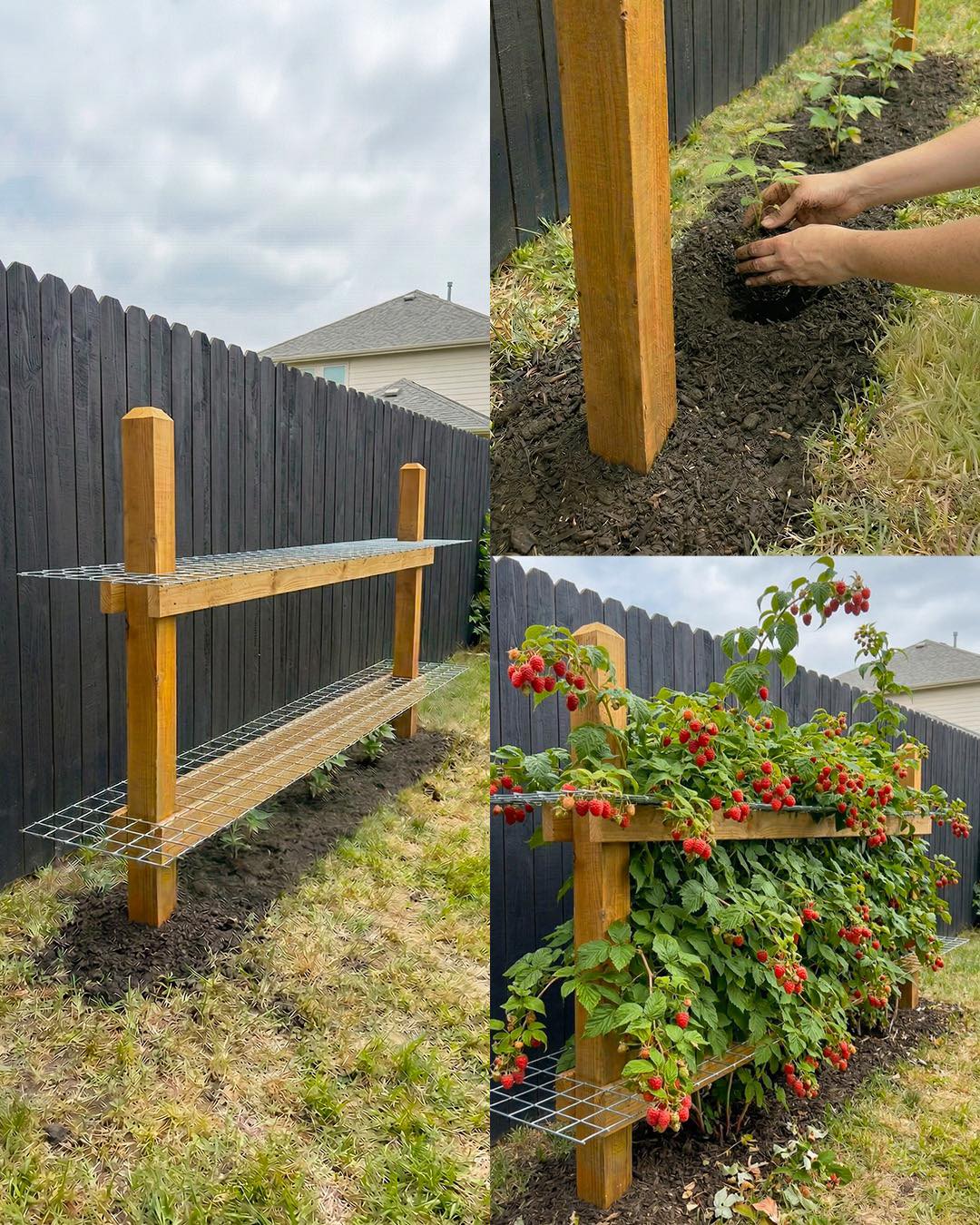
Raspberry canes grow tall and become very heavy when loaded with fruit. Without support, they will bend over and drag your berries in the dirt. A trellis is not just an option; it is a requirement for a clean, healthy harvest.
Keep fruit clean: A trellis keeps the berries elevated off the ground, preventing them from rotting or being eaten by ground bugs.
Improve airflow: Lifting the plants allows wind to blow through the leaves. This dries out the plants after rain and stops fungal diseases from ruining your crop.
Build a simple system: A very effective homemade trellis involves driving sturdy wooden posts into the ground at each end of the row. Then, stretch horizontal wires or rigid wire mesh panels between the posts. As the plants grow, they will rest on the wire for strong support.
Give Them the Right Soil and Sunlight
Where you plant your raspberries is just as important as how you care for them. They need specific conditions to thrive and produce sweet fruit.
Full sun: Plant them in a spot that gets at least six to eight hours of direct sunlight every day. More sun means more berries and sweeter fruit.
Good drainage: Raspberries hate sitting in water. Their roots will easily rot in soggy soil. Make sure you plant them in loose dirt that drains well after a heavy rain.
Heavy mulch: Put a thick layer of wood chips, straw, or leaves around the base of the plants. This keeps the soil moist during hot summer days and blocks weeds from stealing nutrients.
Pruning for a Bigger Harvest
Pruning might seem scary, but it is actually very simple. If you do not cut your raspberries back, the patch will become a thicket of dead wood, and the plant will stop producing good fruit.
