
Remove dead wood: Raspberry canes usually live for only two years. They grow green leaves the first year, produce fruit the second year, and then die. As soon as a cane finishes fruiting and turns completely brown and woody, cut it all the way down to the ground.
Thin the herd: In the late winter or early spring, look at the remaining green canes. Keep the thickest, strongest ones and cut away the very thin or weak ones. Aim to leave about four to five strong canes per foot of space.
Top them off: If your canes grow too tall (over six feet), you can trim the very tops off. This forces the plant to push its energy into growing berries rather than just growing taller leaves.
Watering and Feeding Basics
Even established raspberry bushes need a little help during the growing season to reach their full potential.
Water deeply: Raspberries need about one to two inches of water per week. It is better to give them a long, deep soaking once or twice a week rather than a light sprinkle every day.
Focus on the roots: Water the soil at the base of the plant. Try to keep the leaves as dry as possible to prevent disease.
Feed them early: Apply a basic, balanced fertilizer in the early spring just as the new green growth starts to appear. Avoid feeding them late in the summer, as this encourages new growth that will freeze and die in the winter.
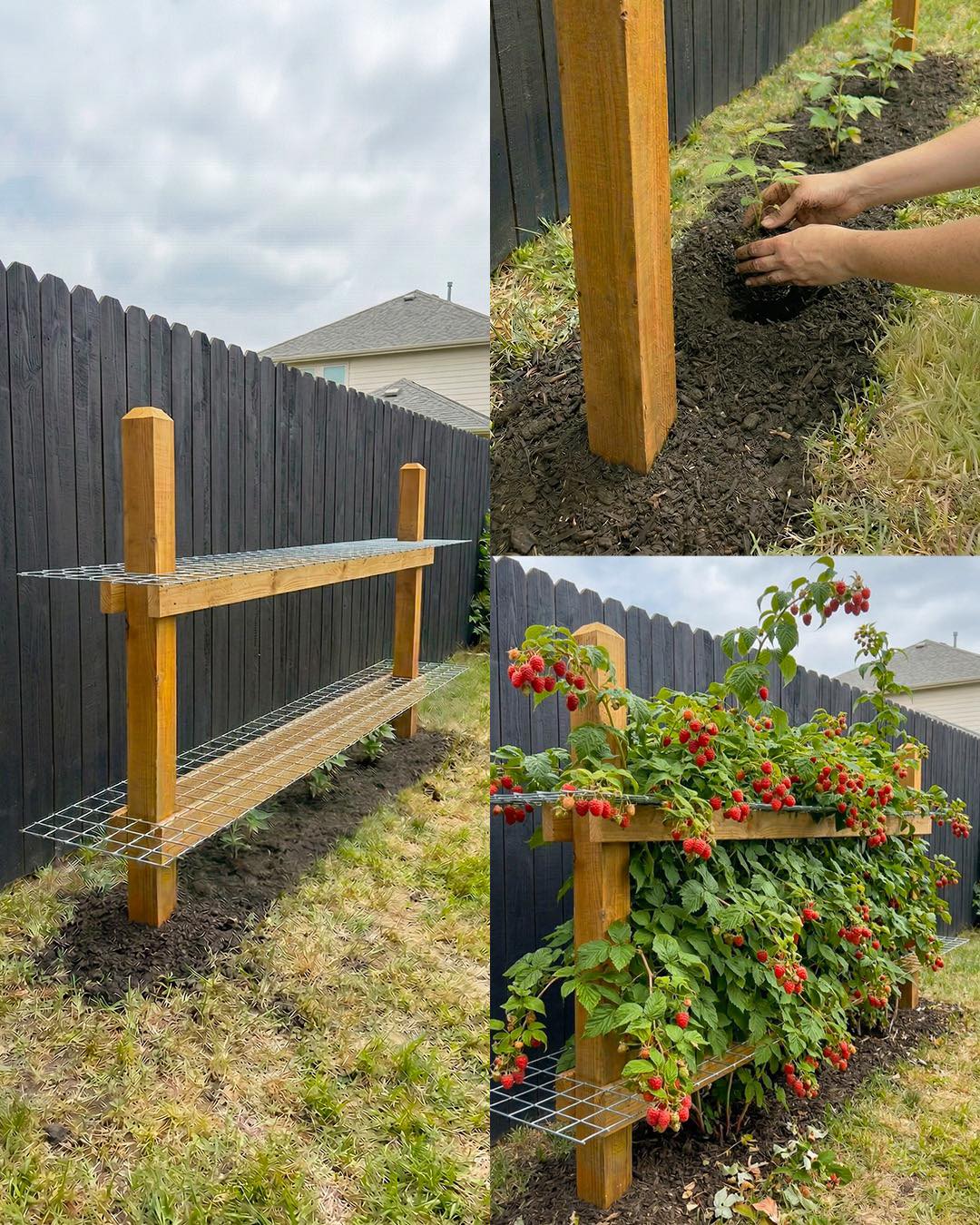
By controlling their spread, building a solid trellis, and following basic pruning rules, you can turn a small patch of dirt into a highly productive berry factory. With just a little bit of seasonal maintenance, your raspberry bushes will provide you with massive harvests year after year.
Inspired by this? Share the article with your friends!
