
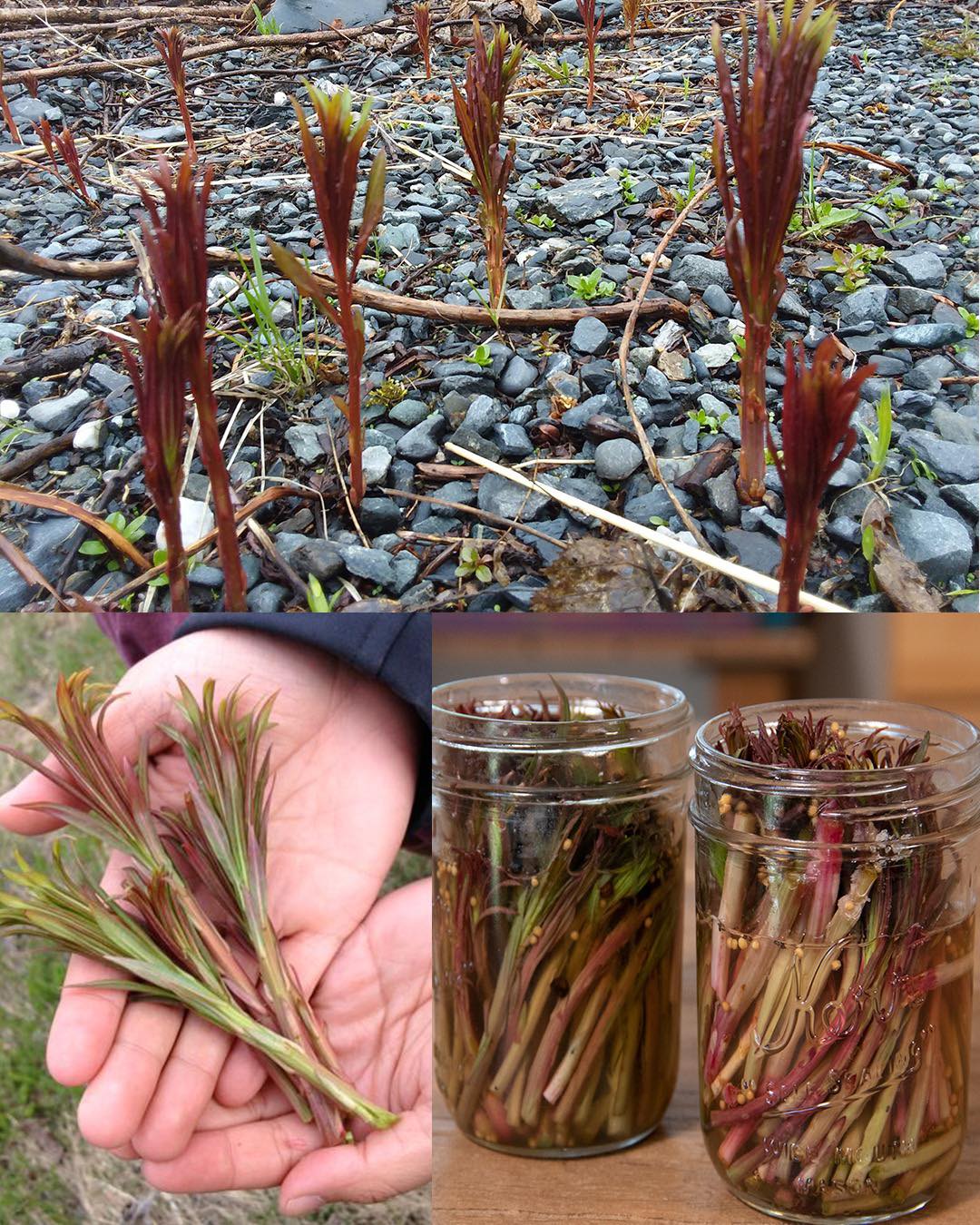
8. Hydrating Spring Food
Fresh shoots contain a high water content.
young fireweed shoots harvest
9. Traditionally Used for Urinary Support
Fireweed has historical use in supporting urinary tract health.
10. Gentle on the Stomach
When harvested young, it is not harsh or bitter.
11. Mineral Content
Contains small amounts of potassium, magnesium, and iron.
12. Supports Skin Health
Antioxidants may indirectly support skin vitality.
13. Natural Wild Vegetable Alternative
A sustainable substitute for cultivated asparagus.
14. Low-Calorie Nutrient Source
Ideal for light spring meals.
15. Connects You With Seasonal Eating
Encourages awareness of local ecosystems and seasonal cycles.
How to Harvest Young Fireweed Shoots
Best Time
Early spring, when shoots are under 20 cm tall.
Where to Harvest
Avoid roadsides with heavy traffic.
Avoid sprayed agricultural areas.
Choose clean forest clearings or untouched meadows.
How to Cut
Use clean scissors or a knife.
Cut just above the base.
Leave some plants untouched to ensure regrowth and pollinator support.
Never overharvest. Sustainable foraging means taking only what you need.
How to Prepare Young Fireweed Shoots
1. Eat Raw (Very Young Shoots Only)
Rinse thoroughly.
Add to spring salads.
Best when under 10–12 cm tall.
2. Lightly Steamed
Steam for 3–5 minutes.
Drizzle with olive oil and lemon.
Texture resembles tender asparagus.
3. Sautéed
Cook briefly in a pan.
Add garlic or butter.
Avoid overcooking to preserve tenderness.
4. Blanched and Frozen
Blanch for 2 minutes.
Cool in ice water.
Freeze for later use.
5. Added to Soups
Chop into small pieces.
Add during the final minutes of cooking.
Taste Profile
Young Fireweed shoots have:
A mild, slightly grassy flavor
Subtle sweetness
Crisp yet tender texture
No bitterness when harvested early
If the stem snaps easily when bent, it is likely still tender. If it bends without snapping, it may be too mature.
Traditional and Historical Use
In parts of Alaska, Canada, and Northern Europe, young Fireweed shoots were gathered as one of the first edible greens of spring. Some communities even referred to them as “wild asparagus.”
The leaves of the mature plant were later fermented to create a tea known in some regions as “Ivan Chai,” but the shoots are primarily valued as fresh seasonal vegetables.
steamed fireweed shoots plate
Important Safety Notes
Proper identification is essential.
Avoid harvesting near polluted areas.
Individuals with plant allergies should try a small amount first.
Pregnant or breastfeeding individuals should consult a qualified professional before consuming large quantities of wild plants.
Fireweed should not replace medical treatment for any condition.
Young shoots of Fireweed (Chamaenerion angustifolium) represent one of spring’s most overlooked gifts. Tender, nutritious, and easy to prepare, they offer both culinary and traditional wellness value — but only for a short time each year.
Learning to identify and harvest them responsibly can deepen your connection to seasonal cycles and wild food traditions. If gathered carefully and prepared simply, these early green spears may become one of your favorite spring discoveries.
As with all wild foods, respect nature, harvest responsibly, and always prioritize safety.
Inspired by this? Share the article with your friends!
