
Hellebores, often known as the ‘winter rose,’ are beloved perennials that bring color to the garden when most other plants are still in dormancy. These hardy flowers begin their show in late winter and can continue to bloom well into spring if given the right care. April is a pivotal month for hellebores, as they transition from their initial bloom into a phase that can define their longevity and vibrancy in your garden.
To keep your hellebores blooming for weeks longer, it is essential to follow a set of critical tasks that will ensure their health and vitality. From checking their post-bloom condition to making strategic adjustments in their environment, these steps will help you maximize their flowering potential and maintain their allure throughout the season.
1. Start With A Post-Bloom Health Check
Begin by inspecting your hellebores for any signs of damage or disease that may have occurred over the winter months. Look for brown or black spots on leaves, which could indicate fungal infections such as leaf spot or black rot. Remove any affected leaves with clean, sharp scissors to prevent the spread of disease.
Examine the base of the plant for any signs of crown rot, a common issue in hellebores caused by poor drainage. If you notice any soft, mushy tissues at the plant’s base, consider improving the drainage around the plant or relocating it to a more suitable spot. Regular health checks will help you catch problems early and keep your hellebores flourishing.
2. Deadhead Strategically To Prolong Flower Power
Deadheading is an essential task to encourage prolonged blooming in hellebores. Carefully remove spent flowers by cutting the flower stems back to the base. This not only tidies up the plant but also prevents the plant from expending energy on seed production, allowing it to focus on new growth and blooms.
When deadheading, use clean, sharp scissors or pruning shears to make precise cuts, and be cautious not to damage emerging buds or foliage. Regular deadheading throughout April can significantly extend the flowering period of your hellebores.
3. Tidy Foliage Without Stripping The Plant Bare
Trimming away old or damaged foliage is important for maintaining the health and appearance of your hellebores. However, it’s crucial not to remove too many leaves at once, as they provide necessary energy for the plant’s growth. Focus on cutting back only the leaves that are visibly damaged or diseased.
By selectively pruning the foliage, you ensure that the plant retains enough leaves to photosynthesize effectively, promoting healthy new growth. Aim to remove no more than one-third of the foliage at a time, and always use clean tools to prevent the spread of disease.
4. Feed For A Second Flush: The Right April Fertilizer
In April, hellebores benefit from a balanced fertilizer to promote continued growth and a second flush of blooms. Choose a slow-release granular fertilizer with an N-P-K ratio of 10-10-10 or 5-10-10, which provides a balanced mix of nutrients necessary for flowering and foliage development.
Apply the fertilizer around the base of each plant, following the manufacturer’s instructions for dosage. Be careful not to let the fertilizer touch the leaves or stems directly, as this can cause burns. Water the plants thoroughly after fertilizing to help the nutrients penetrate the soil and reach the roots.
5. Master Moisture: Watering Hellebores For Longer Bloom
Consistency is key when it comes to watering hellebores. These plants prefer well-draining soil that remains consistently moist but not waterlogged. During April, monitor rainfall levels and supplement with watering if necessary, ensuring that the soil does not dry out completely.
When watering, aim to soak the soil thoroughly, allowing moisture to reach the deep root system. A general rule of thumb is to provide about 1 inch of water per week, adjusting based on weather conditions and soil drainage. Avoid overhead watering to prevent fungal diseases and instead focus on watering at the base of the plant.
6. Mulch Smartly To Lock In Spring Performance
Mulching is a simple yet effective way to conserve soil moisture, suppress weeds, and maintain a stable soil temperature for your hellebores. Apply a 2-3 inch layer of organic mulch, such as shredded bark or compost, around the base of the plants, taking care not to cover the crown to prevent rot.
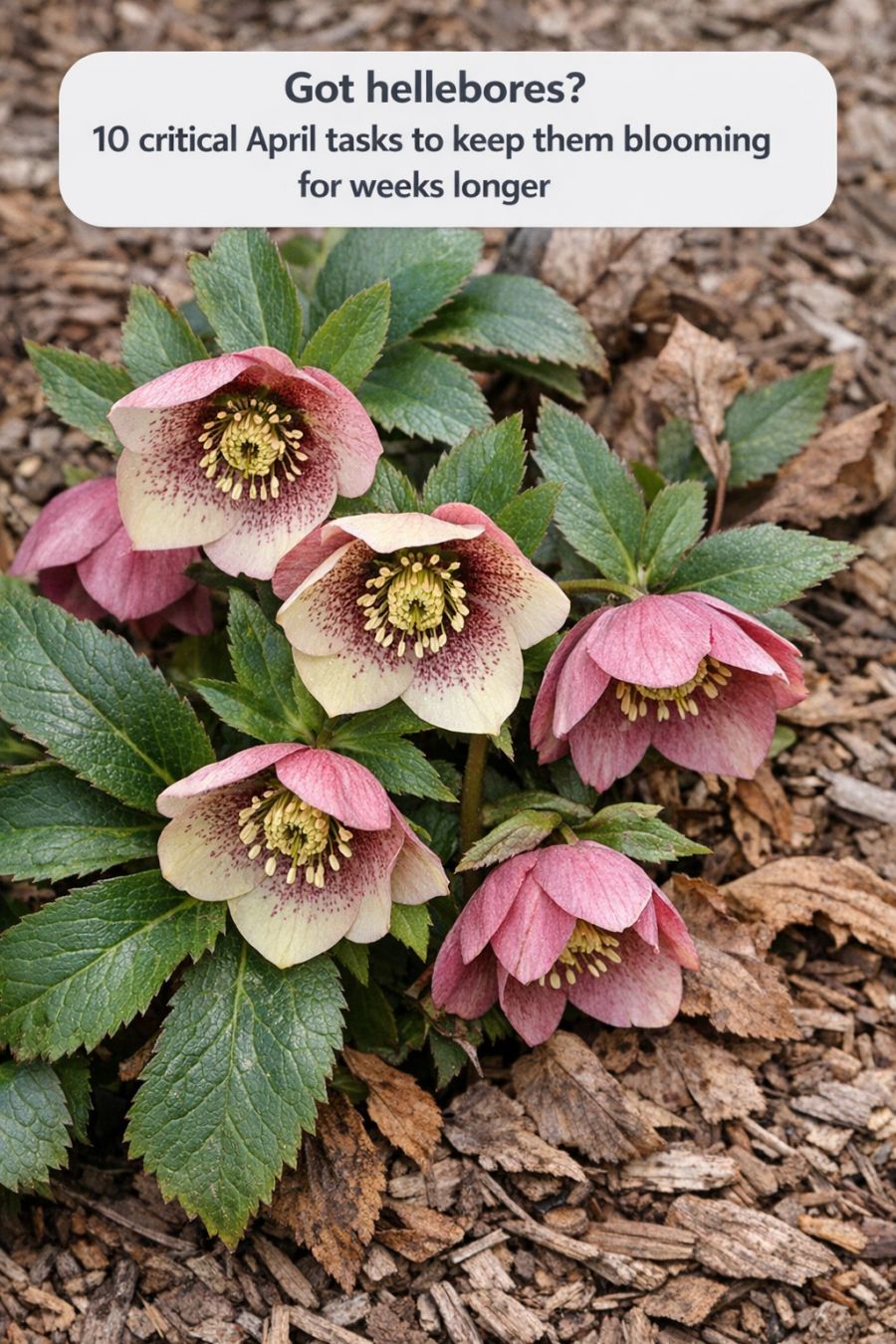
Got hellebores? 10 critical April tasks to keep them blooming for weeks longer
Pages: 1 2
