
Mulching not only helps retain moisture but also enriches the soil as it breaks down, providing your hellebores with a slow, steady supply of nutrients. Replenish the mulch layer as needed throughout the growing season to keep your hellebores thriving.
7. Shade And Shelter: Fine-Tune Their Microclimate
Hellebores thrive in partial to full shade, making them ideal for woodland gardens or shaded borders. In April, as the sun’s intensity increases, ensure your hellebores are protected from harsh afternoon sunlight, which can scorch their leaves and reduce flowering.
If necessary, provide additional shade using garden umbrellas, shade cloth, or strategically placing taller companion plants nearby. Sheltering hellebores from strong winds is also crucial, as it can dry out the plants and cause damage to the delicate flowers.
8. Divide Or Transplant Crowded Clumps Now
April is an excellent time to divide or transplant hellebores that have become overcrowded. Overcrowding can lead to reduced airflow and increased susceptibility to disease. Carefully dig up the clump, taking care to preserve as much of the root system as possible.
Divide the clump into smaller sections, each with a healthy growth bud and roots. Replant the divisions at the same depth they were growing previously, spacing them 18-24 inches apart to allow for future growth. Water the newly planted divisions thoroughly to help them establish in their new location.
9. Patrol For Pests And Diseases Before They Spread
Regularly inspect your hellebores for signs of pests such as aphids, slugs, and snails, which can damage new growth and flowers. Use organic pest control methods, such as handpicking slugs or applying neem oil for aphids, to manage infestations.
Also, keep an eye out for fungal diseases like black spot and downy mildew. Remove any affected foliage promptly and consider applying a fungicide if the problem persists. Early intervention is key to keeping your hellebores healthy and blooming.
10. Plan Companion Plantings That Keep Flowers In The Spotlight
Companion planting can enhance the beauty of your hellebores and create a harmonious garden display. Choose plants with complementary foliage and flowers that bloom at different times, such as ferns, hostas, or spring bulbs like daffodils and tulips.
By selecting companions that offer contrasting textures and colors, you can highlight the unique beauty of hellebores while ensuring a continuous display of interest in your garden. Consider the mature size of companion plants to avoid overcrowding and maintain a balanced composition.
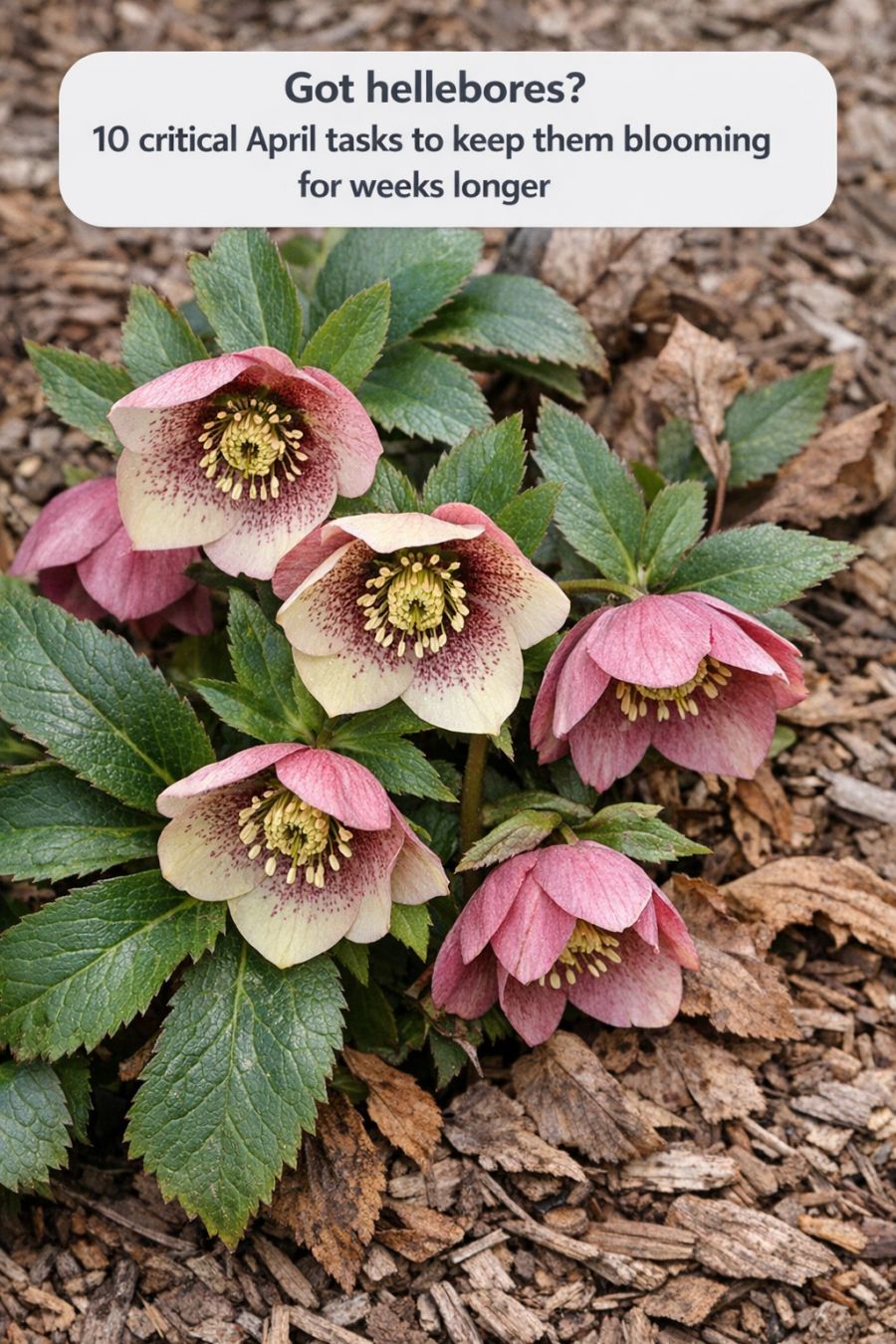
Got hellebores? 10 critical April tasks to keep them blooming for weeks longer
Pages: 1 2
