
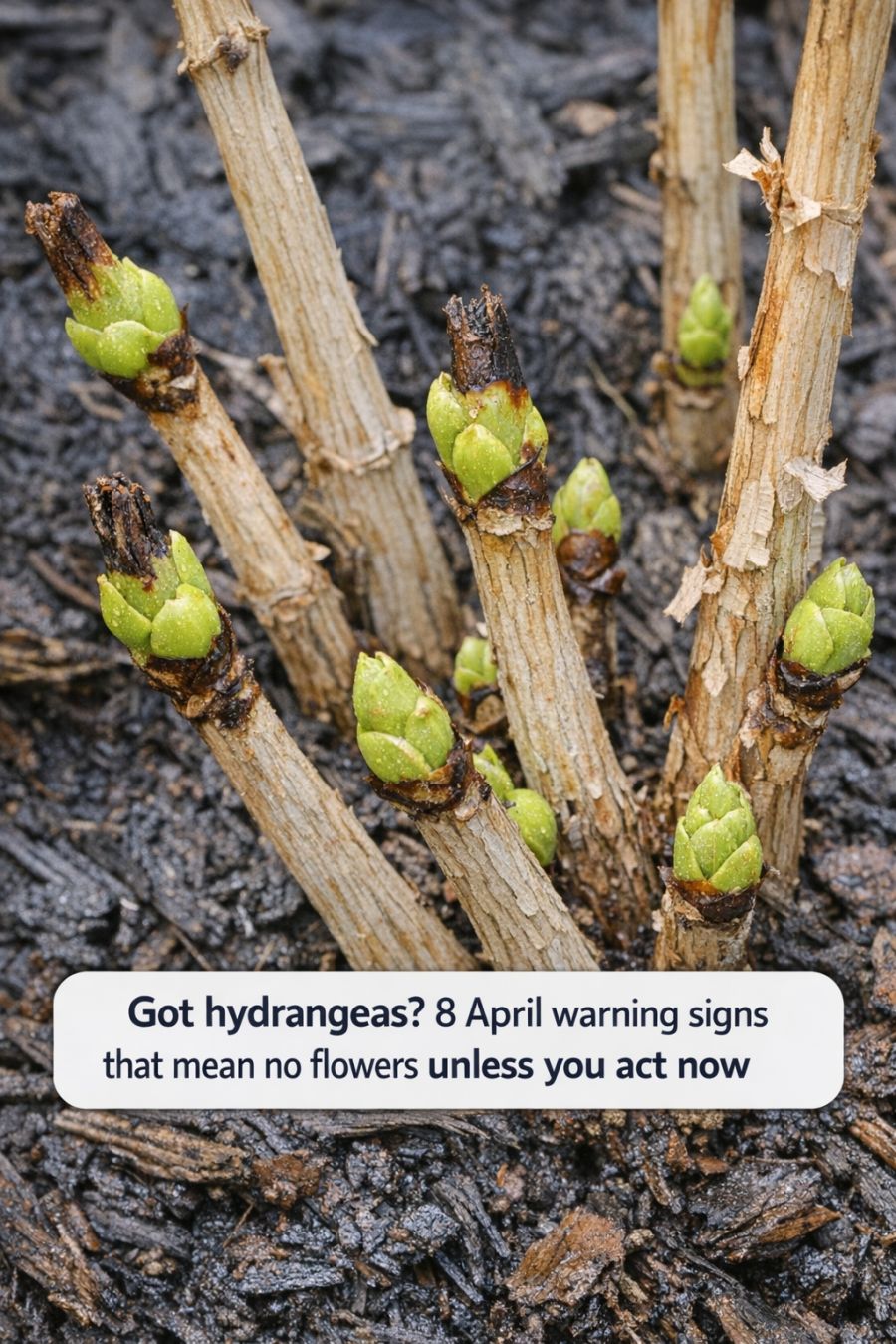
Hydrangeas are beloved for their lush blooms and vibrant colors, making them a staple in many gardens. However, ensuring these beautiful plants flower to their full potential requires attentiveness to their specific needs and potential warning signs. As April rolls in, it’s crucial to pay close attention to the condition of your hydrangeas to prevent a disappointing flowering season.
In this article, we’ll delve into eight key warning signs that could spell trouble for your hydrangea’s bloom cycle. By identifying and addressing these issues early in the spring, you can take corrective action to ensure your plants are healthy and ready to produce the stunning flowers they are known for.
1. New Growth Looks Limp, Yellow, or Frost-Burned
If your hydrangea’s new growth appears limp, yellow, or frost-burned, it could be a sign of insufficient nutrients or exposure to late frost. Hydrangeas are sensitive to sudden temperature changes, and new growth is particularly vulnerable. Check local frost dates and consider covering your plants during unexpected cold snaps. Yellowing leaves often indicate a lack of nitrogen, so consider applying a balanced fertilizer high in nitrogen to stimulate healthy growth.
2. Buds Are Swollen but Not Opening
Swollen buds that fail to open can be a result of inconsistent watering or temperature fluctuations. Ensure your hydrangeas receive consistent moisture, particularly during dry spells, but be careful not to overwater, as this can lead to root rot. Mulching around the base of the plant can help retain moisture and regulate soil temperature. If buds remain dormant, gently check for any signs of pest damage, as insects such as aphids can prevent bud development.
3. Last Year’s Stems Were Pruned Hard in Late Winter
Pruning hydrangeas at the wrong time can prevent them from flowering. Many hydrangeas bloom on old wood, meaning they develop flowers on the previous year’s growth. If you pruned them hard in late winter, you may have inadvertently removed the buds that would have bloomed this year. Always research the specific type of hydrangea you have to determine the best time to prune to avoid cutting off future blooms.
Pages: 1 2
