
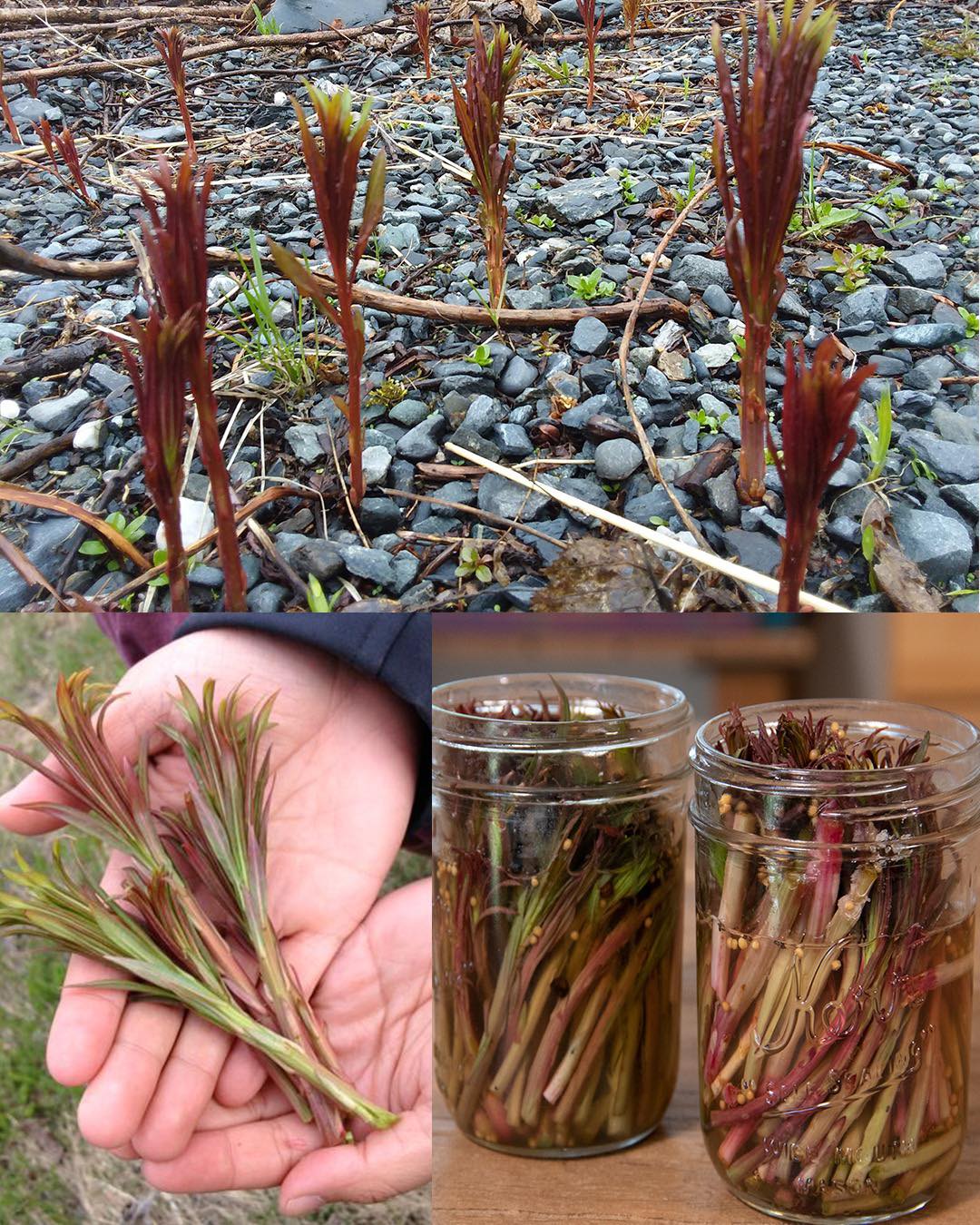
Every spring, when the ground begins to warm and the forests slowly awaken, one of the first resilient plants to emerge is Fireweed (Chamaenerion angustifolium). Known for its tall pink-purple flowers later in summer, Fireweed is often admired for its beauty. However, long before it blooms, its young shoots appear — and these tender green spikes are one of nature’s most underrated seasonal foods.
This article explores the benefits, identification, harvesting tips, and safe preparation methods for young Fireweed shoots — all in a clear and practical format.
How to Identify Young Fireweed Shoots
Correct identification is essential before harvesting any wild plant.
Key Characteristics of Young Fireweed Shoots
Appear in early to mid-spring
Grow straight upward like slender green spears
Often have a reddish or pinkish stem at the base
Leaves are narrow, smooth-edged, and arranged alternately
Shoots are typically 10–20 cm tall when ideal for harvest
Found in open areas, forest clearings, roadsides, and areas previously disturbed by fire
Fireweed is one of the first plants to colonize burned or cleared land — hence the name. If left unharvested, it will grow tall (up to 1–2 meters) and produce clusters of vibrant purple-pink flowers..
Why Harvest the Shoots While Young?
The plant changes dramatically as it matures:
Young stage: Tender, juicy, mild flavor (similar to asparagus or green beans)
Mid stage: Slightly fibrous
Mature stage: Tough stem, bitter leaves, and fluffy seed pods
The ideal harvesting window lasts only a few weeks in spring, making it a seasonal delicacy rather than a year-round food.
15 Benefits of Young Fireweed Shoots
While traditional knowledge supports many of these uses, they should be seen as supportive properties rather than medical treatments.
1. Rich in Vitamin C
Young shoots contain vitamin C, which supports immune health and collagen production.
2. Source of Vitamin A Precursors
Supports vision and skin health.
3. Contains Polyphenols
Fireweed is known for its antioxidant compounds, particularly when young.
4. Supports Digestive Comfort
Traditionally consumed as a gentle digestive tonic.
5. Mild Natural Anti-Inflammatory Properties
Certain plant compounds may help calm inflammation.
6. Seasonal Detox Support
Spring greens often assist the body’s natural cleansing processes.
7. Provides Fiber
Supports gut motility and microbiome balance.
