
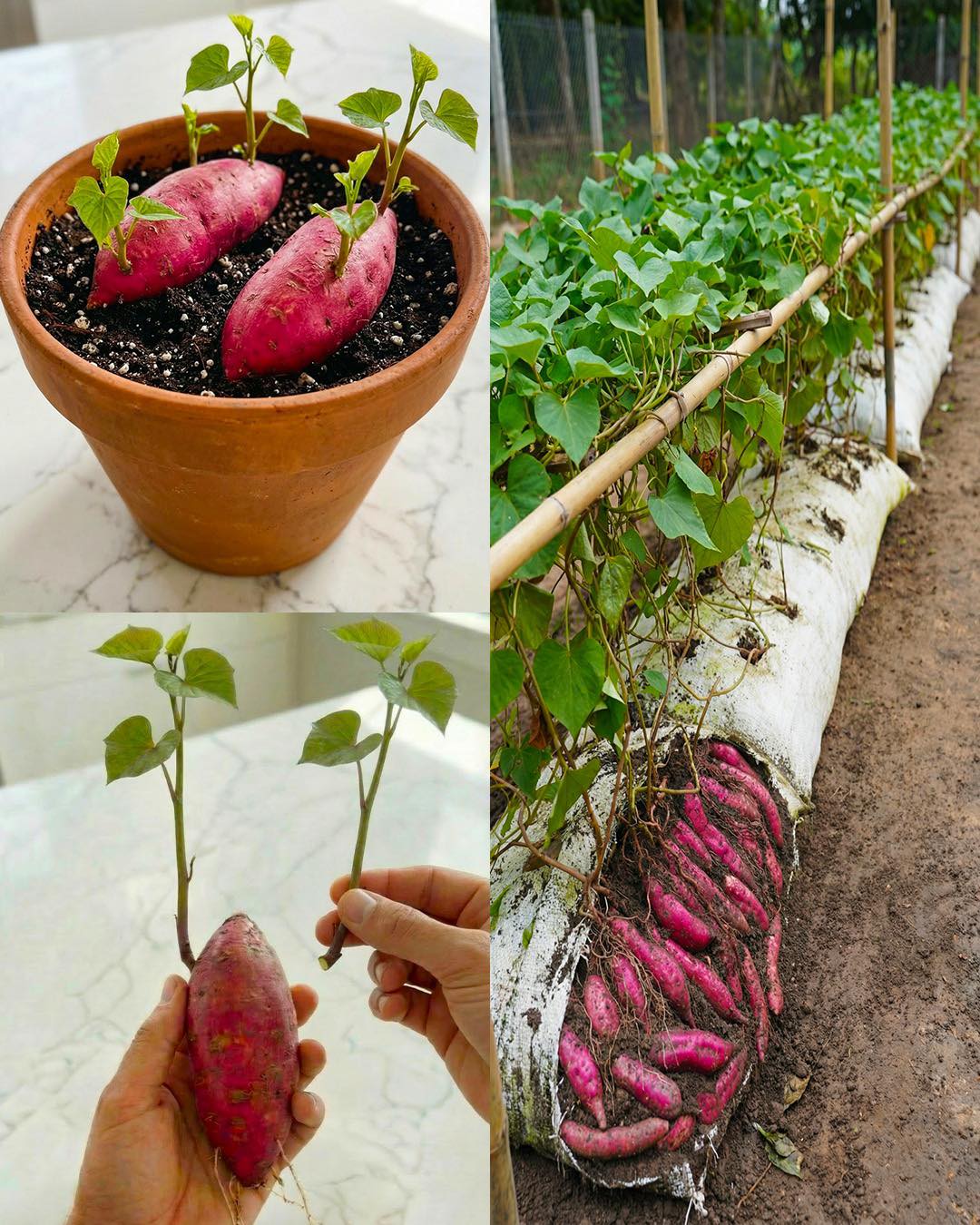
Planting sweet potatoes can be a rewarding experience, but certain mistakes can hinder your efforts. By avoiding these common pitfalls, you can enhance your chances of a bountiful harvest:

- Overwatering: Sweet potatoes require well-draining soil and should not be watered too frequently. Overwatering can quickly lead to rot, as sweet potatoes are less likely to survive in waterlogged soil.
- Improper Soil Preparation: Sweet potatoes thrive in loose, loamy soil with a pH between 5.0 and 6.5. It’s essential to amend your soil with rich organic matter to ensure proper drainage. If the soil is rocky or clumpy, you may end up with misshapen potatoes.
- Late Planting: Planting too late in the season can result in smaller yields or even no harvest. Sweet potatoes need a long, hot growing season, so choose early varieties like Beauregard or Georgia Jet if your summer is short, and plant 3 to 4 weeks after the final spring frost.
- Neglecting Sunlight Needs: Ensure your planting location receives full sun for at least 6-8 hours per day. Sweet potatoes are tropical plants that love heat and flourish in sunny spots.
- Using High-Nitrogen Fertilizers: Avoid nitrogen-rich fertilizers, as they encourage foliage growth at the expense of root development. Instead, use a low-nitrogen fertilizer or compost when planting.
Pages: 1 2
