
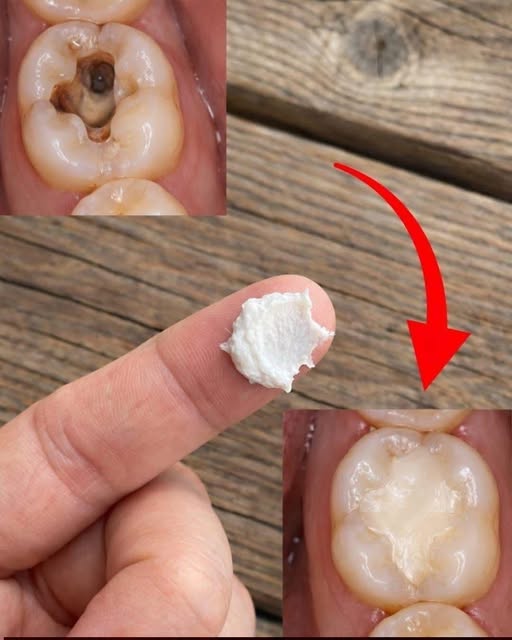
Only a qualified dentist can properly treat a cavity by:
Removing the decayed portion of the tooth
Cleaning and disinfecting the affected area
Placing a safe and durable dental filling or other restoration
These steps require specialized tools, sterile techniques, and professional training.
While waiting to see a dentist, these basic care steps may help reduce discomfort. Remember—they do not cure cavities.
Brush gently twice daily using fluoride toothpaste
Rinse your mouth with warm salt water
Avoid sugary, sticky, or very hard foods
If food becomes stuck, rinse gently—do not try to plug or fill the hole yourself
If symptoms worsen, inform a parent or guardian and seek dental care quickly
Urgent dental attention is needed if you notice:
Persistent tooth pain
Swelling in the gums or face
A bad taste or foul smell from the tooth
Sensitivity to hot or cold foods
A visible hole or dark area in the tooth
Early treatment helps prevent serious complications and protects long-term oral health.
Online “home cavity repair” tricks can be dangerous and misleading. Cavities are a medical condition that requires professional dental care. Good daily hygiene and early dental visits are the safest ways to maintain healthy teeth and avoid long-term damage.
