
5. Choose the Right Cut of Meat for Slow Cooking
Not all cuts of meat are created equal, especially when it comes to slow cooking. Tougher cuts of meat like chuck roast, pork shoulder, and brisket are ideal for slow cooking, as the extended cooking time allows the connective tissues to break down, resulting in tender, flavorful meat.
Avoid lean cuts like chicken breast or pork tenderloin, which can become dry and tough when cooked for long periods. Instead, opt for bone-in, skin-on cuts that will retain moisture and impart additional flavor to your dish.
6. Preheat Your Slow Cooker to Save Time
Just like preheating an oven, preheating your slow cooker can help kickstart the cooking process. By preheating, you bring the cooking vessel up to temperature before adding your ingredients, which can help reduce overall cooking time.
Simply turn your slow cooker to the desired setting (high or low) and allow it to heat up for about 15-20 minutes while you prepare your ingredients. This step is especially useful for recipes that require browning or sautéing beforehand, as it ensures a seamless transition to slow cooking.
7. Layer Ingredients Properly for Even Cooking
Properly layering ingredients is key to achieving even cooking in a slow cooker. Start by placing denser, root vegetables like potatoes and carrots at the bottom of the pot, as they require more time to cook. Meats should be placed on top of the vegetables, allowing them to benefit from the heat while their juices flavor the vegetables below.
Finally, softer vegetables and delicate ingredients should be added towards the end of the cooking process to prevent them from becoming mushy. By layering ingredients effectively, you ensure that everything is cooked to perfection and infused with flavor.
8. Utilize High and Low Settings Appropriately
Understanding when to use the high and low settings on your slow cooker can make a significant difference in the outcome of your dish. The low setting is ideal for dishes that require longer cooking times, allowing flavors to meld and tough cuts of meat to become tender.
The high setting, on the other hand, is better suited for recipes that require a shorter cook time or when you need to speed up the process. It’s important to note that the high setting can cause some ingredients to overcook, so be mindful of your recipe’s requirements and adjust the setting accordingly.
9. Expand Your Recipe Repertoire Beyond Stews
While slow cookers are often associated with stews and soups, their versatility extends far beyond these traditional dishes. From casseroles and roasts to desserts and even bread, the possibilities are endless.
Experiment with different cuisines, such as slow-cooked curries or pulled pork, and explore sweet treats like slow cooker apple crisp or chocolate lava cake. By expanding your recipe repertoire, you’ll discover new and exciting ways to utilize your slow cooker, turning it into a culinary powerhouse.
10. Adapt Cooking Times for Different Ingredients
Different ingredients require different cooking times, and understanding how to adapt these times can help you achieve the best results. For example, delicate seafood may only need a couple of hours, while tougher cuts of meat could require six to eight hours to become tender.
To prevent overcooking or undercooking, consider adding ingredients in stages based on their cooking requirements. This approach ensures that every component of your dish is cooked to perfection, enhancing both flavor and texture.
11. Clean and Maintain Your Slow Cooker Regularly
Regular cleaning and maintenance of your slow cooker are essential to ensure its longevity and performance. After each use, clean the removable pot and lid with warm, soapy water, and avoid using abrasive cleaners that can scratch the surface.
Periodically check the condition of the power cord and the heating element for any signs of wear or damage. Proper maintenance not only extends the life of your slow cooker but also ensures that every meal you prepare is safe and delicious.
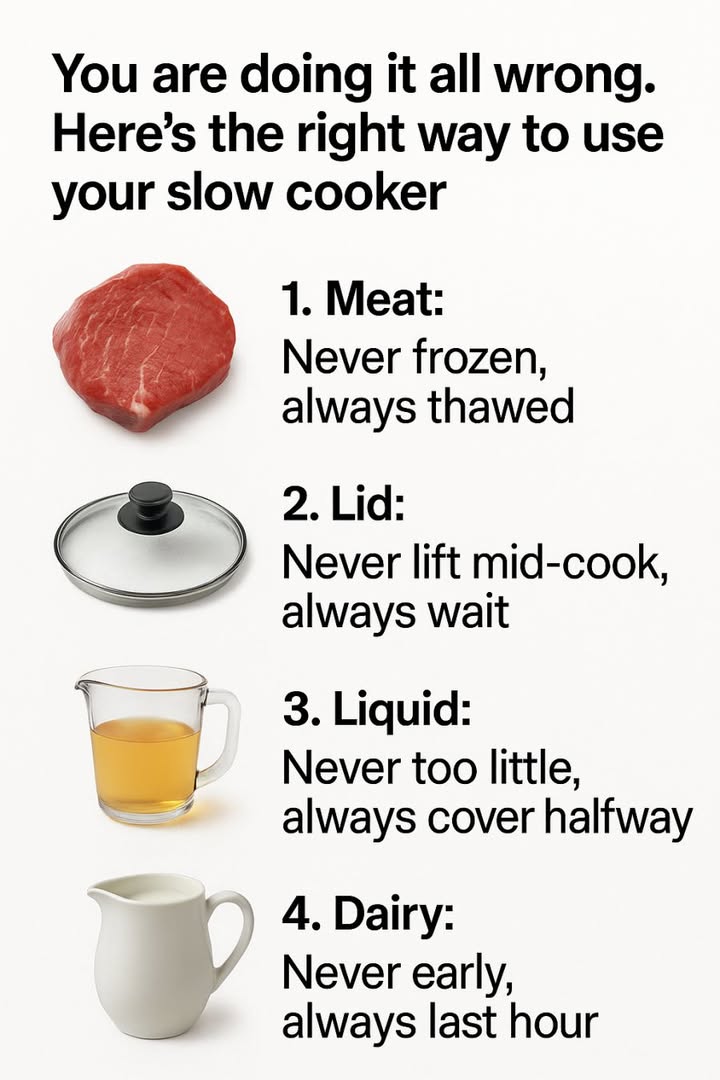
You are doing it all wrong. Here’s the right way to use your slow cooker
Pages: 1 2
