
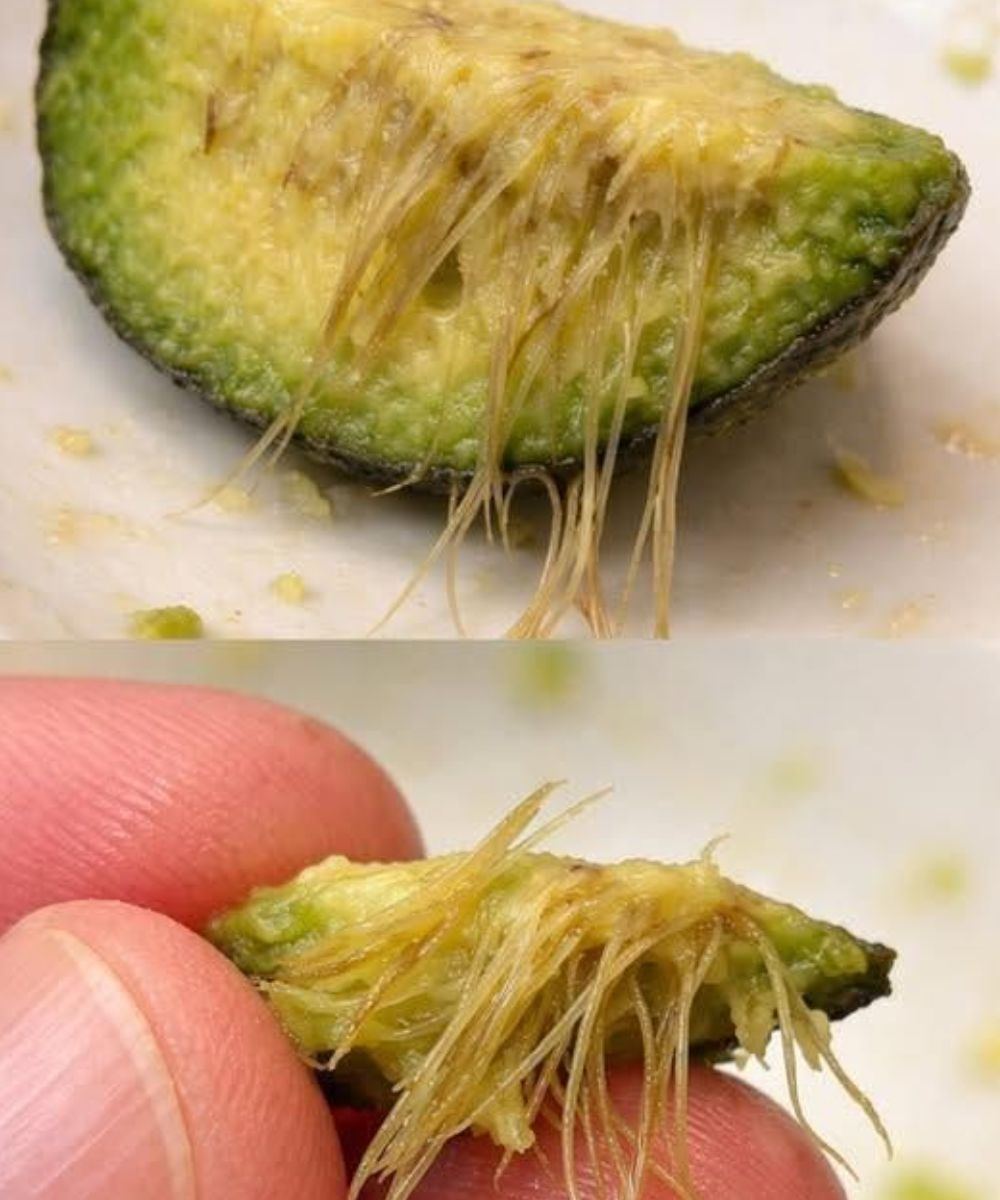
To understand why this happens, it helps to know what an avocado really is. Botanically, the avocado (Persea americana) is actually a large berry with a single seed. Even though we often treat it like a vegetable—adding it to salads, mashing it into guacamole, or putting it on sandwiches—it is technically a fruit.
Avocado trees belong to the Lauraceae family, the same group as cinnamon and bay leaves. They originated in South-Central Mexico and have been part of the human diet for thousands of years. The Aztecs even had a name for it—āhuacatl—which referred to both the fruit and its shape.

One interesting thing about avocados is that they don’t ripen while still on the tree. They can hang there for months without softening. Ripening only begins after they are picked, when natural hormones like ethylene start the process. This is why avocados can be shipped long distances while still firm—but also why you sometimes get unexpected results when you finally cut one open.
