
Scraping with the Knife Edge: Always flip your knife over or use a bench scraper. Dragging the sharp edge flattens the fine wire bevel of your steel, making it dull within days.
Putting Wooden Boards in the Dishwasher: High heat and prolonged exposure to water warp, split, and crack natural wood. Always hand-wash wooden boards with mild soap and warm water, then dry them upright immediately.
Cross-Contaminating Surfaces: Using the same unwashed board for raw poultry and fresh salad greens poses a serious food safety risk. Designate distinct plastic boards for raw meats or sanitize thoroughly between uses.
Ignoring Board Oils: Wooden and bamboo boards dry out over time. Treating them monthly with food-safe mineral oil or board cream prevents moisture penetration and cracking.Wood & Plastics
A Simple Design That Changes Meal Prep
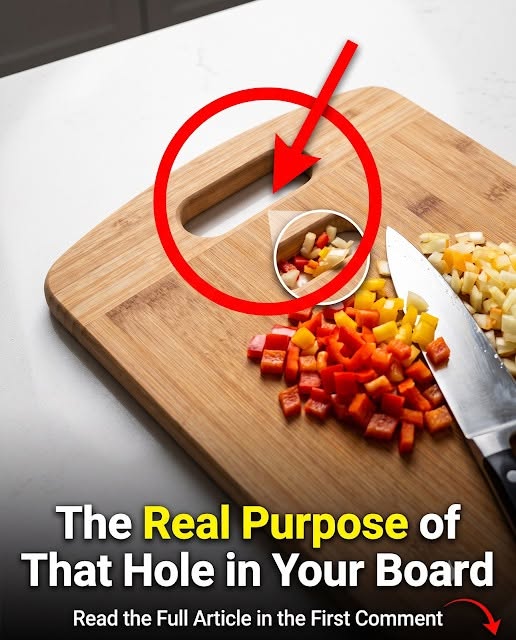
The next time you pull out your cutting board to chop onions, herbs, or peppers, skip the wide-board scrape that leaves half your ingredients scattered across the stove. Tilt the board, slide your ingredients through the built-in channel, and enjoy a cleaner, faster cooking workflow.
It is a subtle detail that proves great kitchen design is often right in front of us—we just have to look at it from the right angle!
