
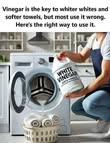
- Use only white distilled vinegar—clear, cheap, and effective
-
- Never use on silk, wool, or delicate fibers—acid can weaken protein-based fabrics
- For HE machines: Use ½ cup max to avoid excess suds
-
- Revive stiff towels: Wash with 1 cup vinegar + ½ cup baking soda (baking soda in wash, vinegar in rinse)
- Boost freshness: Add 10 drops of essential oil (lavender, tea tree) to vinegar in the dispenser
 Why Vinegar Beats Commercial Products
|
Factor
|
Vinegar
|
Commercial Softeners
|
|---|---|---|
|
Cost
|
$0.10/load
|
$0.30–$0.50/load
|
|
Eco-Impact
|
Biodegradable, non-toxic
|
Petrochemicals, microplastics
|
|
Towel Absorbency
|
Restores it
|
Coats fibers, reduces absorbency
|
|
Odor Control
|
Eliminates at source
|
Masks with synthetic perfumes
|
Switching to vinegar isn’t just smart—it’s sustainable, economical, and kinder to sensitive skin.
 Final Thought: Simplicity That Works
In a world of overpriced laundry pods and “miracle” stain removers, vinegar is the quiet hero that’s been hiding in plain sight.
Used the right way, it gives you:
 Brighter whites
Fluffier, more absorbent towels
Fresh, chemical-free laundry
So next wash day, skip the softener.
Grab that gallon of white vinegar.
And let centuries of cleaning wisdom do the work.
Because clean shouldn’t be complicated—just effective.
Loved this laundry hack?
 Save it for your next wash day
Share it with a new homeowner or eco-conscious friend
Comment below: Did vinegar revive your towels?
Disclaimer: Always test on a hidden area first. Avoid vinegar on silk, wool, or stone surfaces. Never mix vinegar with bleach or hydrogen peroxide.
