
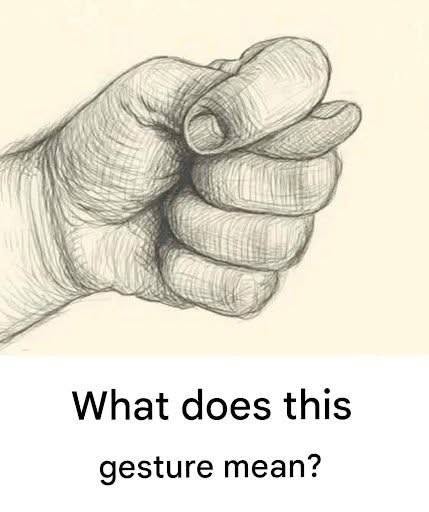
The fig gesture, therefore, was more than just a playful motion—it was a symbol of resilience, a way for individuals to assert agency, and a subtle invocation of personal or spiritual strength.
Social and Family Uses
Over time, the fig gesture moved beyond public or communal expression and became embedded in family life. Grandparents and older relatives passed it down as a harmless and entertaining way to tease children, assert minor authority, or respond to lighthearted challenges.
In childhood play, the gesture became a sort of secret language: it could convey refusal, courage, or solidarity without requiring confrontation or verbal explanation.
In some cases, the gesture carried emotional significance. Children might use it to signal quiet bravery or determination, while parents or older family members might offer it as a gesture of reassurance during moments of uncertainty.
For example, it could appear in farewells, in small acts of comfort before long absences, or in playful defiance when a child sought to stand their ground.
The gesture’s dual role—as a playful social tool and an emotional symbol—made it a uniquely versatile form of communication.
Humor, Defiance, and the Everyday
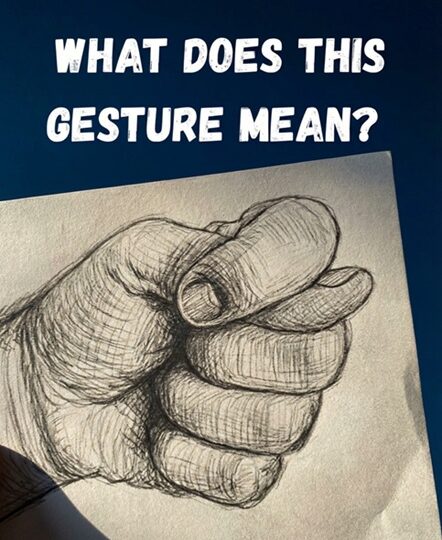
One of the most enduring aspects of the fig gesture is its combination of humor and defiance. Unlike overt forms of protest or insult, which can provoke strong reactions, the fig gesture allowed individuals to resist or mock without risking serious conflict.
