
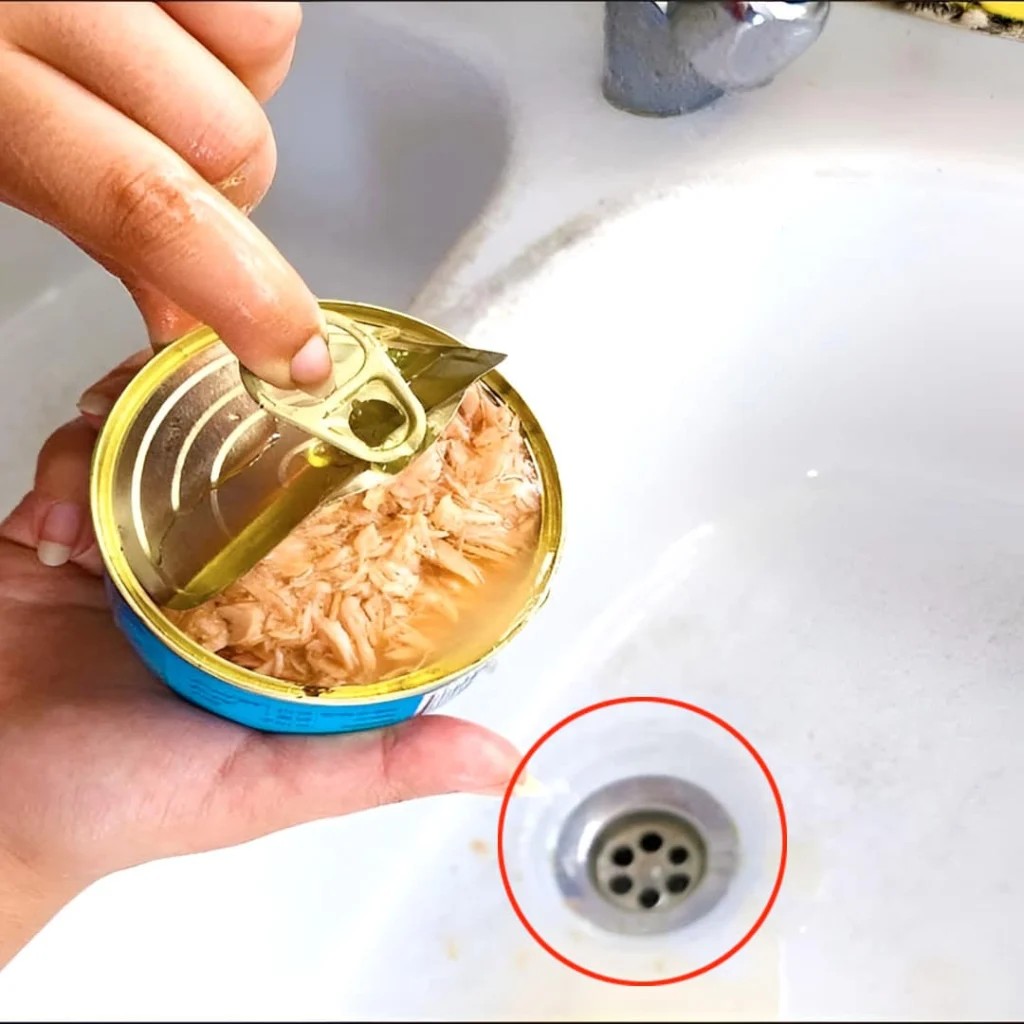
Tuna oil discharged into drains inevitably ends up in wastewater treatment plants. However, these plants are not effective at completely removing grease. As a result, some of this oil reaches rivers and oceans, forming a surface film that impairs the oxygenation of aquatic ecosystems.
The consequences? Risk of asphyxiation for fish, contamination of marine life, and groundwater pollution. Threat to marine life
Seabirds and fish are particularly vulnerable to this type of pollution. The oil adheres to their feathers and scales, making them more susceptible to disease and impairing their mobility and ability to feed properly.
Key takeaway: Even a small amount of oil regularly poured down the sink can, in the long term, lead to serious environmental damage.
