
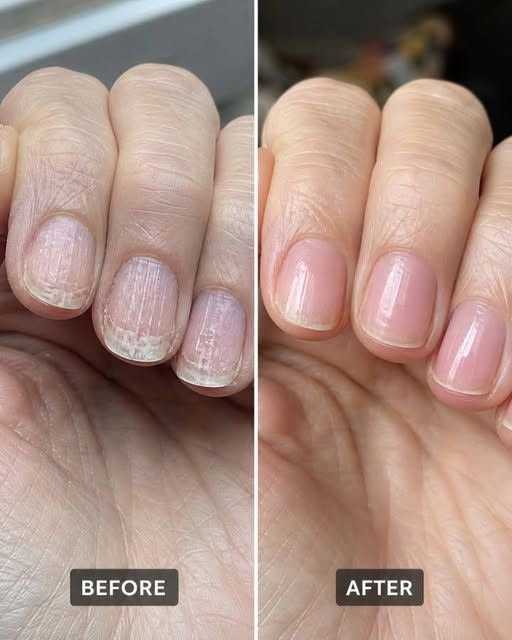
By the end of one month, your nails should show significant signs of strengthening. The ridges and flaky layers should be greatly reduced, with nails looking smoother and healthier.
After three months, your nails are likely to be at their healthiest state. With continued care, they should be strong, resilient, and free from major imperfections. The consistent nurturing will also contribute to faster nail growth and an overall healthier appearance.
7. Common Mistakes That Make Nails Weaker—Even When You’re Soaking
One common mistake is using acetone-based nail polish removers, which can negate the benefits of the soak by stripping away essential oils. It’s important to opt for acetone-free alternatives.
Another error is neglecting to moisturize regularly. While the soak provides a significant amount of hydration, daily application of hand and cuticle cream is essential to lock in moisture. Additionally, over-soaking can weaken nails. Stick to the recommended frequency to avoid making nails too soft.
8. Safe-Use Tips: Who Should Avoid This Soak And When To Stop
While generally safe, individuals with allergies to any of the ingredients should avoid this soak. It’s also advisable for people with open cuts or infections on their fingers to refrain from using the mixture until healed.
If you experience any irritation or allergic reactions, discontinue use immediately and consult a dermatologist. Pregnant or nursing women should consult with their healthcare provider before using essential oils like tea tree oil.
9. Nail-Care Habits That Supercharge The Soak’s Results
Incorporating a balanced diet rich in biotin, zinc, and iron will complement the soak’s effects, as these nutrients are crucial for nail health. Additionally, wearing gloves while doing household chores can protect your nails from harsh chemicals and excessive moisture.
Regularly filing your nails with a glass or crystal file can prevent splitting and encourage uniform growth. Lastly, keeping your nails neatly trimmed and avoiding the use of nails as tools will help maintain their strength and integrity.
10. When Nail Ridges Signal A Health Issue, Not Just Cosmetic Damage
While many nail issues are cosmetic, persistent or severe nail ridges could indicate underlying health concerns. For example, Beau’s lines, which are deep horizontal grooves, might suggest a recent illness or nutritional deficiency.
Vertical ridges that change in appearance or are accompanied by discoloration or texture changes could be a sign of conditions like psoriasis or eczema. If you notice unusual changes in your nails, it’s important to consult a healthcare professional for a proper diagnosis and treatment plan.
