
9. Chemical Treatments: When (and If) to Use Pesticides
Chemical treatments should be considered a last resort, used only when leatherjacket populations are too high for natural or eco-friendly methods to control. Pesticides specifically designed for leatherjackets can be effective, but they should be applied with caution to minimize harm to beneficial insects and the environment.
Before using chemical treatments, it’s important to accurately assess the level of infestation and consider whether less invasive methods could achieve the desired results. Always follow label instructions and consider consulting a professional if you’re unsure about the correct application.
10. Repairing the Damage: How to Revive a Lawn Hit by Leatherjackets
Once a leatherjacket infestation is under control, focus on reviving the damaged lawn. Start by raking away dead grass and debris to allow air and light to reach the soil. Aeration can also help improve soil health and promote root growth.
Overseeding the affected areas with a grass seed mix suited to your region can help fill in bare patches. Ensure regular watering and fertilization to support new growth. With proper care, your lawn can recover and return to its lush, green state.
11. Preventing Future Infestations: Long-Term Lawn Care Strategies
Preventing future leatherjacket infestations involves maintaining a healthy lawn. Regular mowing, watering, and fertilizing can help grass establish strong roots that are less susceptible to damage.
Consider improving lawn drainage to discourage leatherjacket development and avoid overwatering, which creates ideal conditions for their growth. Monitoring for adult crane flies in late summer can also provide an early warning of potential leatherjacket activity, allowing you to take preventative action before damage occurs.
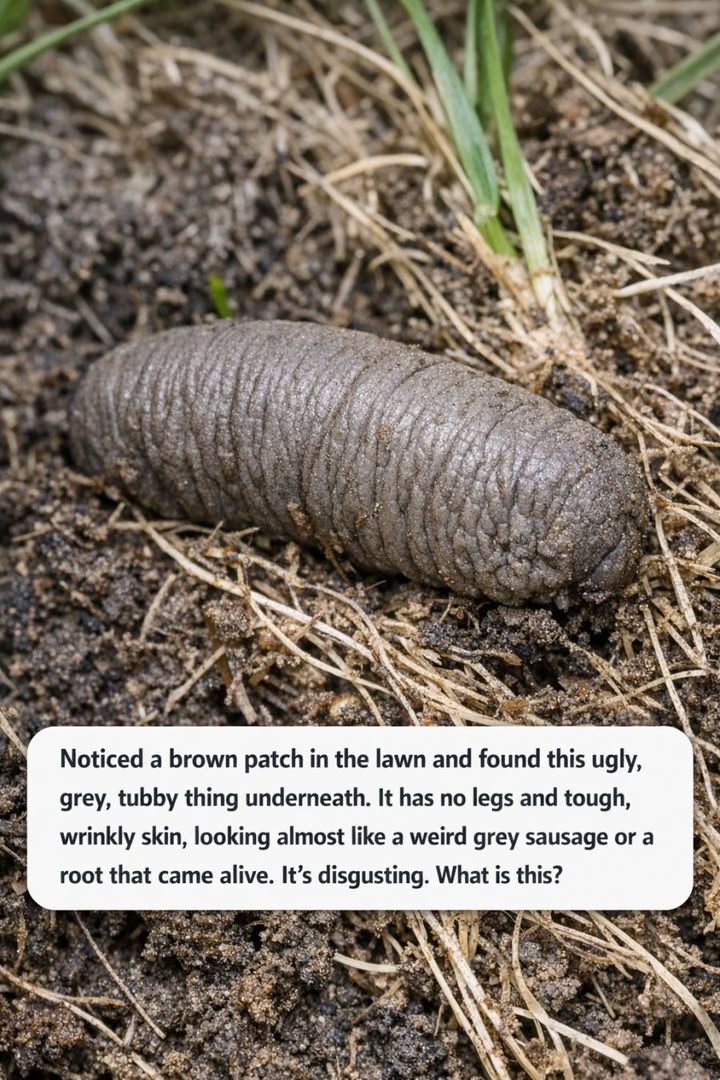
Noticed a brown patch in the lawn and found this ugly, grey, tubby thing underneath. It has no legs and tough, wrinkly skin, looking almost like a weird grey sausage or a root that came alive. It’s di
Pages: 1 2
