
To lower soil pH and encourage blue flowers, add sulfur or aluminum sulfate to the soil according to package instructions. To raise pH for pink blooms, incorporate lime into the soil. It’s wise to perform a soil test before making adjustments to ensure you’re applying the correct amendments. Adjustments can take time, so starting in April gives your plants the best chance to display your desired bloom color by summer.
9. Divide, Move, Or Pot Up Strugglers Before Heat Hits
If you have hydrangeas that are struggling due to overcrowding or poor placement, April is the ideal time to divide, move, or pot them up. Cooler spring temperatures minimize transplant shock and give the plants time to establish before the summer heat arrives.
To divide hydrangeas, dig up the entire plant and gently separate the root ball into smaller sections, each with a healthy set of roots and stems. Replant in a suitable location with well-draining soil and adequate sunlight for the specific type of hydrangea. Water thoroughly after replanting to help the plants settle in their new homes.
10. Protect Tender Buds From Late Frosts And Sudden Cold Snaps
Late frosts and cold snaps can wreak havoc on developing hydrangea buds, especially those on old wood bloomers. Keep an eye on the weather forecast in April, and be prepared to protect your plants on cold nights.
Cover your hydrangeas with burlap, frost cloth, or an old sheet to insulate them from the cold. Remove the coverings in the morning once temperatures rise. Taking these precautions can prevent frost damage and ensure your hydrangeas are primed for a full and vibrant bloom come summer.
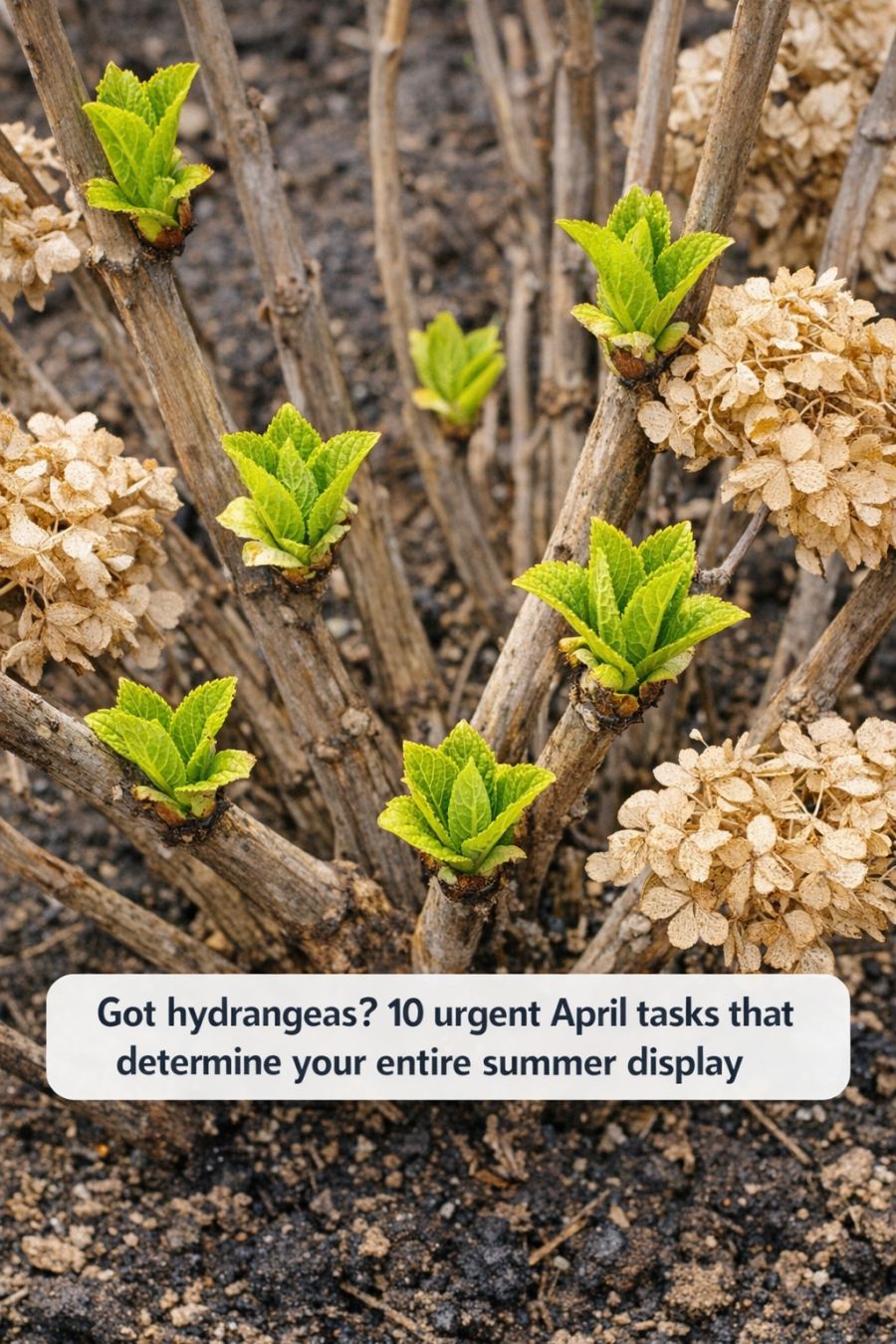
Got hydrangeas? 10 urgent April tasks that determine your entire summer display
Pages: 1 2
