
Containers and raised beds can dry out more quickly than the ground, especially in hot weather. This can lead to inconsistent moisture levels and stressed plants.
Check the moisture level of the soil in containers and raised beds more frequently, and water as needed to keep the soil consistently moist. Consider using self-watering containers or adding water-retaining polymers to the soil mix to help maintain hydration.
7. Assuming Shade-Loving Hostas Don’t Need Much Water
While hostas are shade-tolerant plants, they still require adequate moisture to thrive. Shade does not eliminate the need for water, especially during the heat of summer.
Ensure your hostas receive at least 1 inch of water per week, either through rainfall or supplemental watering. Monitor their condition closely and adjust watering practices as needed to keep them healthy and hydrated.
8. Using Hard, Chlorinated Tap Water Without Letting It Sit
Chlorine and other chemicals found in tap water can be harmful to hostas over time. Watering with hard, untreated tap water can affect the soil pH and nutrient availability.
If you must use tap water, let it sit in an open container for 24 hours before watering your hostas. This allows chlorine to dissipate and ensures that the water is gentler on your plants. Alternatively, consider using rainwater or distilled water for a more plant-friendly option.
9. Skipping Pre-Heatwave Soakings and Waiting Until Leaves Wilt
Hostas can be especially vulnerable to heatwaves, and waiting until they show signs of distress is a common mistake. Once leaves begin to wilt, the plant is already stressed.
Anticipate upcoming heatwaves by thoroughly soaking the soil around your hostas in advance. This preemptive measure ensures that your plants have access to necessary moisture during extreme temperatures, helping them to remain robust and prevent wilting.
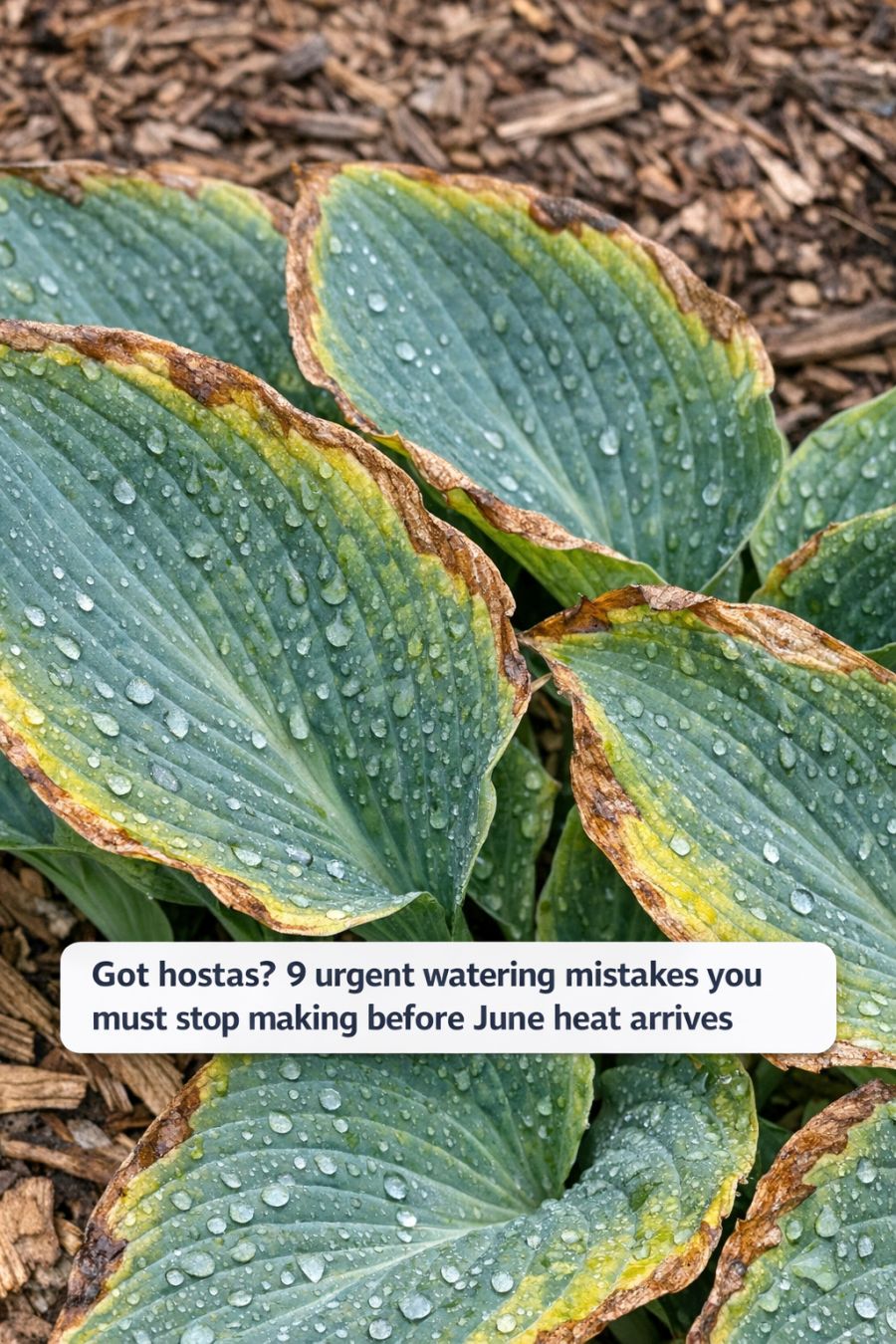
Got hostas? 9 urgent watering mistakes you must stop making before June heat arrives
Pages: 1 2
