
Hostas are a staple in many gardens, known for their lush foliage and ability to thrive in shady areas. These perennial plants are not only easy to grow but also come in a variety of sizes and colors, making them a versatile choice for any landscape. While hostas are generally low-maintenance, there are several critical steps you can take to ensure they produce huge, lush leaves this summer.
From early spring preparations to ongoing care throughout the growing season, giving your hostas the attention they need will result in a garden filled with vibrant, healthy plants. Whether you’re a seasoned gardener or new to growing hostas, these ten essential tips will help you achieve the lush foliage you desire.
1. Start With a Spring Clean-Up Around Every Hosta
Begin your hosta care regimen with a thorough spring clean-up. Remove any dead leaves, stems, or other plant debris from around the base of your hostas. This not only improves the appearance of your garden but also prevents the spread of disease and pests. Use a pair of sharp garden shears to cut away any dead or damaged foliage.
Rake away old mulch and replace it with a fresh layer after cleaning up. This fresh layer will help conserve moisture and reduce weed growth. Aim for a mulch depth of about 2 to 3 inches, ensuring it doesn’t touch the plant stems to prevent rot.
2. Divide and Replant Crowded Clumps for Bigger Leaves
If your hostas are looking crowded, it might be time to divide them. Overcrowded hostas compete for resources, which can lead to smaller leaves. Early spring, just as new growth begins to emerge, is the best time to divide them.
Carefully dig up the clump and use a sharp knife or spade to divide it into smaller sections, each with a few buds and roots. Replant these sections at the same depth they were growing before, spacing them about 12 to 18 inches apart to allow for ample growth. Water them well after replanting to help them settle in.
3. Feed Hostas the Right Fertilizer at the Right Time
Providing the right nutrients at the right time is crucial for hosta growth. Use a balanced, slow-release fertilizer with equal parts nitrogen, phosphorus, and potassium (such as a 10-10-10 formula) in early spring as new growth appears. Follow the manufacturer’s instructions for application rates, usually about 1/2 to 1 pound per 100 square feet.
Avoid over-fertilizing, as this can lead to lush foliage but weak roots. You can supplement with a liquid fertilizer every 4 to 6 weeks during the growing season to support continued growth. Be sure to water the fertilizer in well to prevent root burn.
4. Supercharge Soil With Compost and Organic Matter
Rich, well-draining soil is key to healthy hostas. Enhance your garden soil by adding organic matter such as compost or well-rotted manure. Spread a 2-inch layer of compost over the soil around your hostas and gently work it into the top few inches of soil.
This not only improves soil fertility but also boosts its structure and water-holding capacity, creating an ideal growing environment for your hostas. Incorporate organic matter annually to maintain soil health and vitality.
5. Dial In Watering for Deep, Consistent Moisture
Hostas need consistent moisture to thrive, especially during dry spells. Water deeply and thoroughly, providing about 1 to 1.5 inches of water per week, ideally in the morning to reduce evaporation.
It’s better to water less frequently but more deeply to encourage roots to grow down into the soil rather than staying near the surface. Avoid overhead watering, which can promote fungal diseases; instead, use a soaker hose or drip irrigation system for even moisture distribution.
6. Maximize Shade and Protect Leaves From Harsh Sun
While hostas are shade-tolerant, some sunlight is beneficial, particularly in the morning. However, too much direct sun, especially the harsh afternoon sun, can scorch their leaves. Monitor your garden’s sun exposure and provide shade if necessary.
If natural shade is insufficient, consider using shade cloths or strategically planting taller companion plants to provide relief from the sun. This will help maintain the vibrant color and overall health of your hostas.
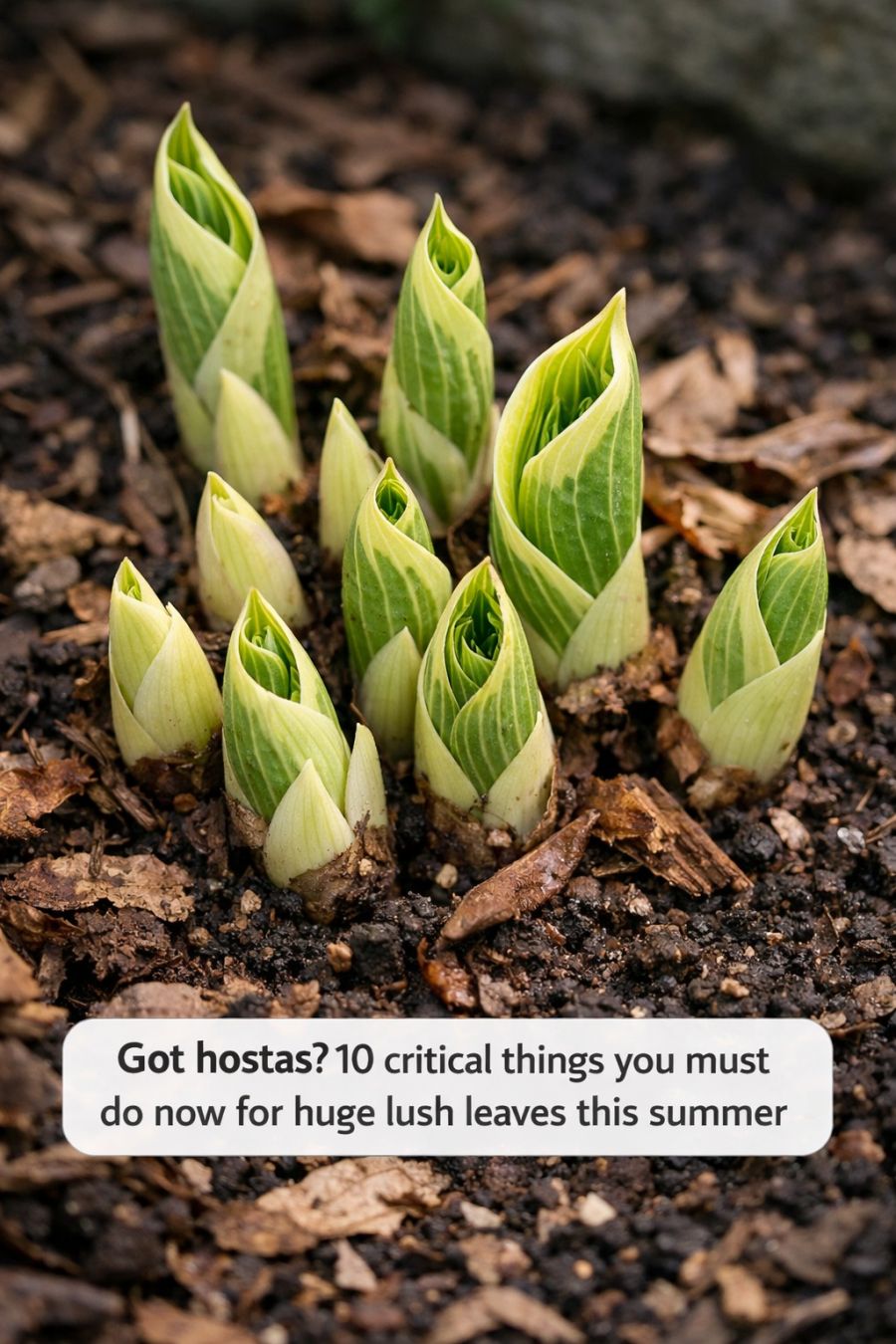
Got hostas? 10 critical things you must do now for huge lush leaves this summer
Pages: 1 2
