
8. How To Check Mulch, Soil, And Plant Trades For Hidden Jumping Worms
When acquiring new mulch, soil, or plants, it’s essential to inspect these materials for signs of jumping worms. Check for the characteristic coffee-ground-like soil texture and be on the lookout for any adult worms or their cocoons. If you find any suspicious signs, avoid using the material and report it to local agricultural authorities.
Consider sourcing materials from reputable suppliers who are aware of the issue and take steps to prevent contamination. Additionally, when trading plants with other gardeners, inspect the root systems and soil for any signs of jumping worms, and quarantine new acquisitions before introducing them to your garden.
9. Garden Practices That Help Slow Or Prevent Jumping Worm Infestations
Adopting certain garden practices can help slow or prevent jumping worm infestations. Regularly monitoring your garden for signs of these worms and maintaining healthy soil through proper composting and mulching techniques can reduce their impact. Avoid moving soil and organic material between different areas of your garden unless necessary.
Educating yourself and others about the identification and risks of jumping worms can also contribute to broader community efforts to manage and prevent infestations. Collaborative efforts and shared knowledge can empower gardeners to take proactive steps in protecting their gardens and local ecosystems.
10. When To Report Sightings And How To Help Scientists Track The Spread
Reporting sightings of jumping worms to local agricultural or environmental authorities is important for tracking their spread. Many regions have established reporting systems that allow gardeners and landowners to contribute data on jumping worm populations. This information helps scientists and policymakers develop strategies to manage and mitigate the impact of these invasive species.
By participating in citizen science initiatives and reporting your findings, you can play a vital role in advancing our understanding of jumping worms and their ecological impact. Keeping records of the location, date, and number of worms found can provide valuable data for ongoing research and conservation efforts.
11. What Gardeners Are Learning To Live With In A Jumping Worm World
As jumping worms continue to spread, gardeners are learning to adapt their practices to minimize the impact of these invasive species. This includes embracing new techniques for soil management, plant selection, and pest control that take into account the presence of jumping worms. Some gardeners are exploring alternative ground covers and mulches that are less attractive to jumping worms or developing habitats that support native species that may help control worm populations.
The challenge of living with jumping worms also presents an opportunity for innovation and collaboration among gardeners, scientists, and policymakers. By sharing experiences and solutions, the gardening community can develop more resilient practices that protect both the beauty and biodiversity of our landscapes.
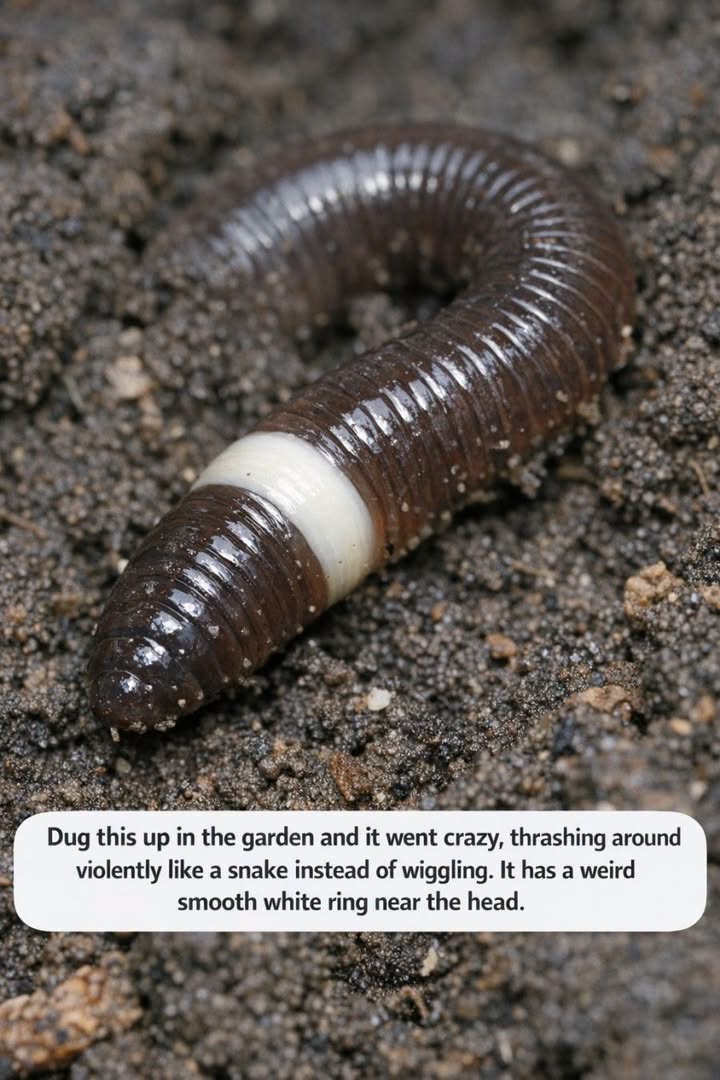
Dug this up in the garden and it went crazy, thrashing around violently like a snake instead of wiggling. It has a weird smooth white ring near the head.
Pages: 1 2
