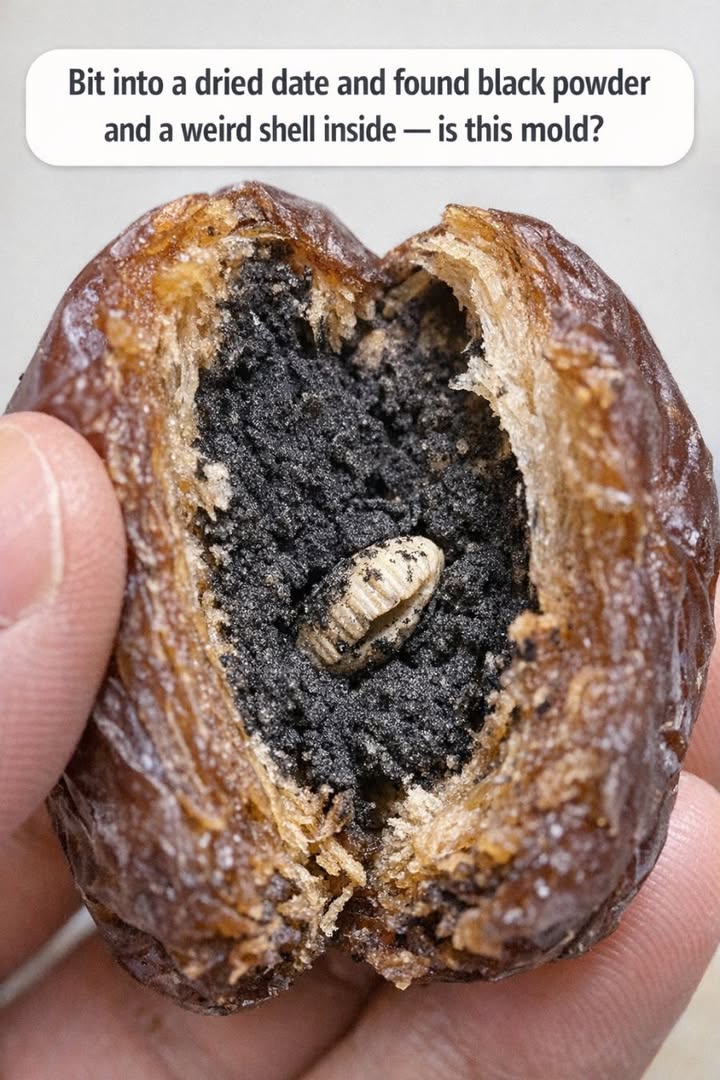
7. How to Inspect Dried Dates at Home Before You Eat Them
Before consuming dried dates, inspect them visually for any signs of mold, holes, or webbing. Hold the date up to a light source to check for transparency and look for any unusual textures or colors.
Break the date open and check the interior for any black powder or unusual shells. A magnifying glass can be helpful for a more detailed inspection. It’s also a good idea to smell the dates; a sour or musty odor can indicate spoilage.
8. Smart Shopping Tips to Avoid Infested or Moldy Dried Fruit
When purchasing dried dates, look for reputable brands that use proper packaging to prevent contamination. Check the expiration date and opt for dates that are vacuum-sealed or stored in airtight containers.
Avoid packages with visible damage, as this can be a sign of improper storage or pest infestation. If possible, buy from vendors who have a high turnover rate, ensuring the products are fresh.
9. Proper Storage Tricks to Keep Dates Bug‑Free and Fresh Longer
Store dried dates in a cool, dry place, ideally in an airtight container to protect against moisture and pests. Refrigeration can extend the shelf life of dates and further reduce the risk of infestation.
Consider adding a food-safe desiccant packet to the storage container to absorb excess moisture. Regularly inspect stored dates for any signs of spoilage or infestation and discard any compromised fruit immediately.