
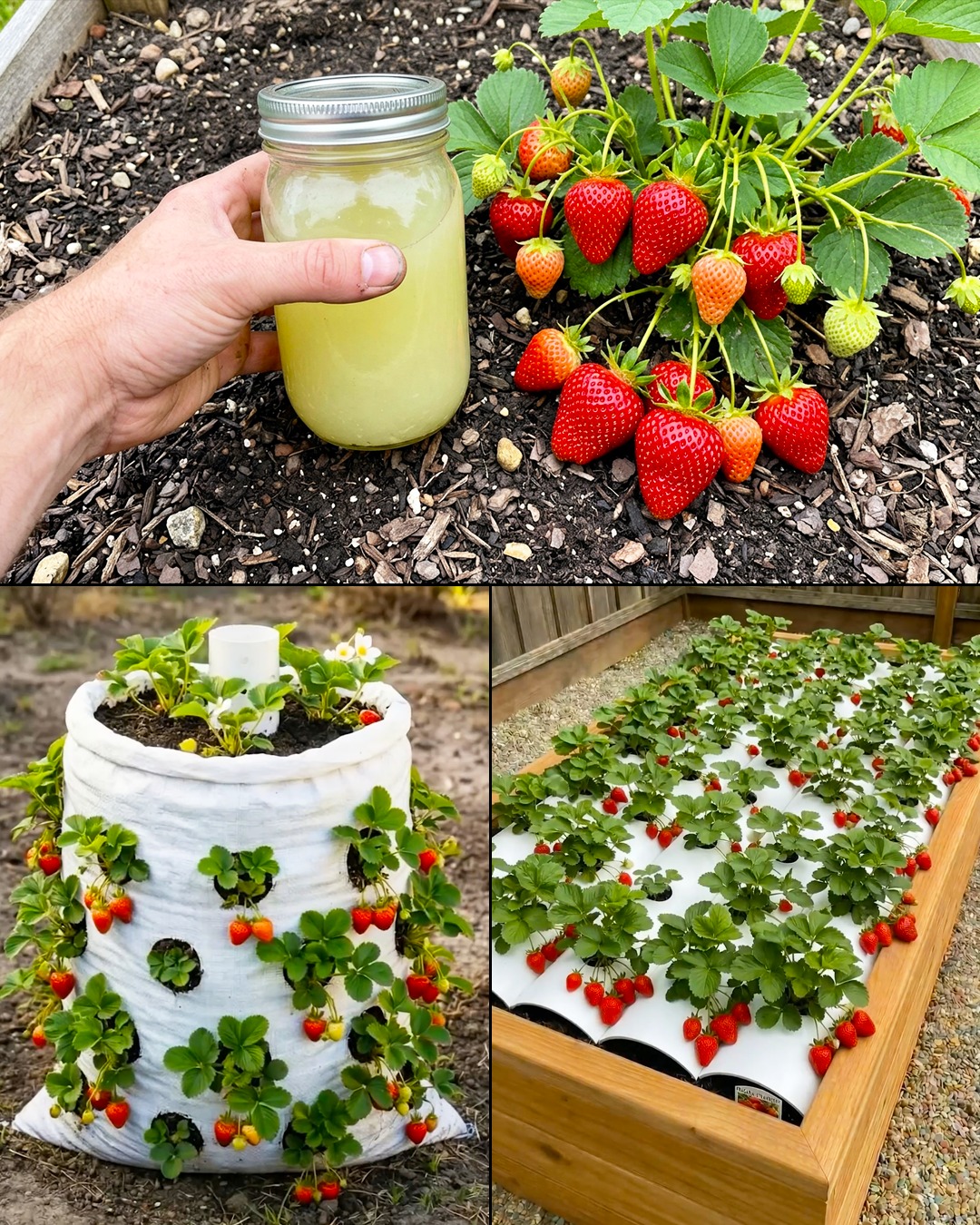
Strawberries are one of the most rewarding fruits you can grow at home. They offer a much sweeter and richer flavor than anything you can buy in a grocery store. Whether you have a sprawling backyard garden or just a tiny sunny balcony, growing your own strawberries is highly achievable. This guide covers the essential steps, best methods, and professional tricks to help anyone grow strong, healthy strawberry plants from the very beginning all the way to a heavy harvest.
thumbnail-i5iwu6lgobtuescuinzei5tomqyxkmsdWhy There Are Some Gardening Tools You Should Stay Away From
thumbnail-lb5fo5dmgrrue3skmjlvg4siovkgmusbWater-Saving Gardening Tips to Save the Environment and Your WalletNOW PLAYING
thumbnail-njqtg2ryn5mueustnrfvaodvgrvvotruThis One Passion Links King Charles to His Grandchildren Across the Globe
thumbnail-ovueuncijfmue2tfnbgdqzspmznfk2jvBecome an Indoor Gardener And Grow These Herbs Inside Your Home
thumbnail-jfvg23thn5eue3bnlbuu23kdkrlvcx2cClever Hacks for Gardening On a Budget
thumbnail-mzehmqszlbzuerllm5swmscemv3tsslgGardening is a Hobby Many Have Decided to Try
thumbnail-kyzdi3stnzvue2krgntdczddijbucs2rGet Your Garden Ready for the Spring and Summer Months
Traditional Garden Beds: This is the best method if you have plenty of outdoor space. Planting them in raised dirt beds is highly recommended. Raised beds improve water drainage and keep the soil warmer in the spring, which helps the plants wake up earlier.
Containers and Pots: Perfect for patios, porches, or balconies. Because strawberries have a shallow root system, they do not need massive pots. A pot that is 10 to 12 inches deep is plenty. Just ensure the container has drainage holes at the bottom so the roots do not sit in water.
Vertical Growing Towers: These are excellent for maximizing small spaces. Vertical towers stack plants on top of each other. This setup keeps the fruit completely off the ground, greatly reducing the risk of soil-born rot and making the berries much harder for ground pests like slugs to reach.
The Growing Process: Seed to Harvest
Follow these steps to establish healthy plants that produce sweet fruit:
1. Starting Your Plants: While you can absolutely start strawberries from seeds, it requires patience. Seeds should be started indoors 10 to 12 weeks before your last frost date. They need plenty of light and consistent moisture to sprout. For a faster harvest, most home growers choose to buy “bare-root” crowns or small starter plants from a nursery.
2. Preparing the Soil: Strawberries thrive in loose, well-draining soil that is slightly acidic. Before planting, mix in a generous amount of rich compost to provide the nutrients the plants will need throughout the season.
3. Perfect Planting Depth: This is the most critical step. Dig a hole wide enough to spread the roots out. You must plant the strawberry exactly at the right depth: the “crown” (the thick part where the green leaves meet the brown roots) must sit directly level with the soil surface. If you bury the crown, it will rot. If the roots are exposed, the plant will dry out and die.
4. Sunlight and Watering: Place your plants in full sun, meaning they need at least 6 to 8 hours of direct, bright sunlight every day. Water them deeply and regularly, aiming for about 1 to 2 inches of water per week. Always water at the base of the plant near the soil. Getting the leaves wet can invite fungal diseases.
5. Feeding the Plants: Use a balanced, organic fertilizer when you first plant them. Feed them a second time after they finish producing fruit for the year; this helps them build up energy to survive the winter and produce again next spring.
6. The Harvest: Pick your strawberries only when they are fully red all the way to the top. Unlike tomatoes or bananas, strawberries will not continue to ripen or get sweeter after they are picked from the plant. Harvest them in the cool morning hours and pinch off a small piece of the green stem with the berry to help them stay fresh longer.
