
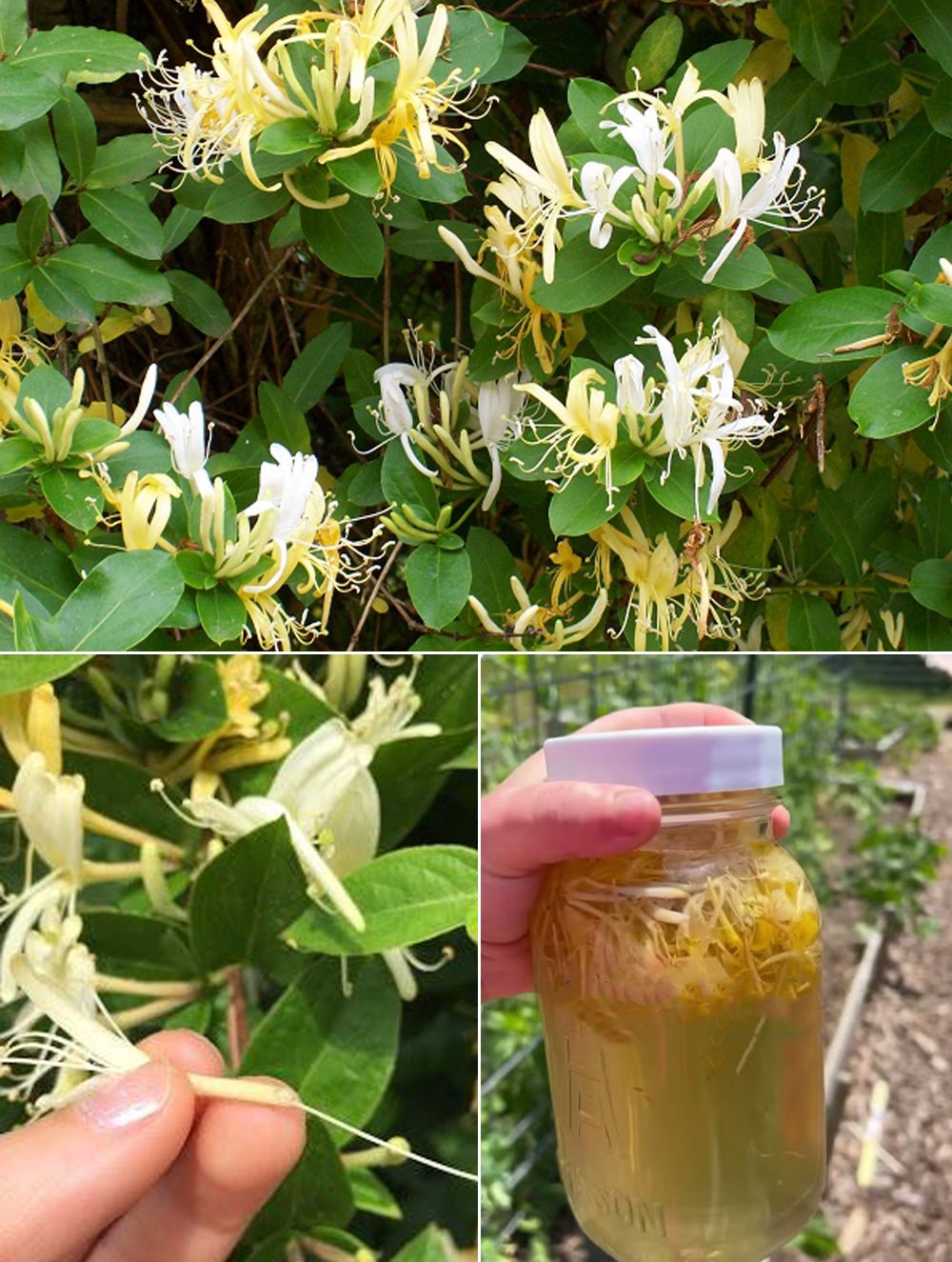
Japanese honeysuckle (Lonicera japonica) is a fragrant flowering vine native to East Asia and widely naturalized in many regions. While often seen as an invasive plant in the wild, its traditional uses in herbal medicine—particularly in Chinese and Japanese systems—are highly valued. Here’s a breakdown of its main health/medical benefits and homemade uses:
✅ Main Health/Medical Benefits of Japanese Honeysuckle
Anti-inflammatory Properties
Japanese honeysuckle contains chlorogenic acid and luteolin, which help reduce inflammation in the body. It may be useful for conditions like arthritis, sore throat, or skin irritation.
Antiviral and Antibacterial Effects
Traditionally used in Chinese medicine to “clear heat and toxins,” the plant has natural compounds that can fight bacteria (e.g., Staphylococcus aureus) and viruses (e.g., flu and cold viruses).
Immune Support
Its antioxidant compounds help support the immune system, making it useful during colds, flus, or seasonal allergies.
Fever Reduction
Honeysuckle tea is sometimes consumed to help lower fever, especially in traditional medicine during viral infections.
Respiratory Support
It may help with conditions like bronchitis, cough, or sore throat due to its soothing and anti-inflammatory effects.
Detoxification
In herbal practice, Japanese honeysuckle is used to promote detoxification through its diuretic properties—helping the body flush out waste via urine.
Digestive Health
A mild tea can help soothe stomach discomfort or mild indigestion.
Skin Health and Wound Care
When applied externally, honeysuckle infusions or pastes may aid minor wounds, boils, rashes, or acne due to its antimicrobial and anti-inflammatory effects.
Oral Health
