
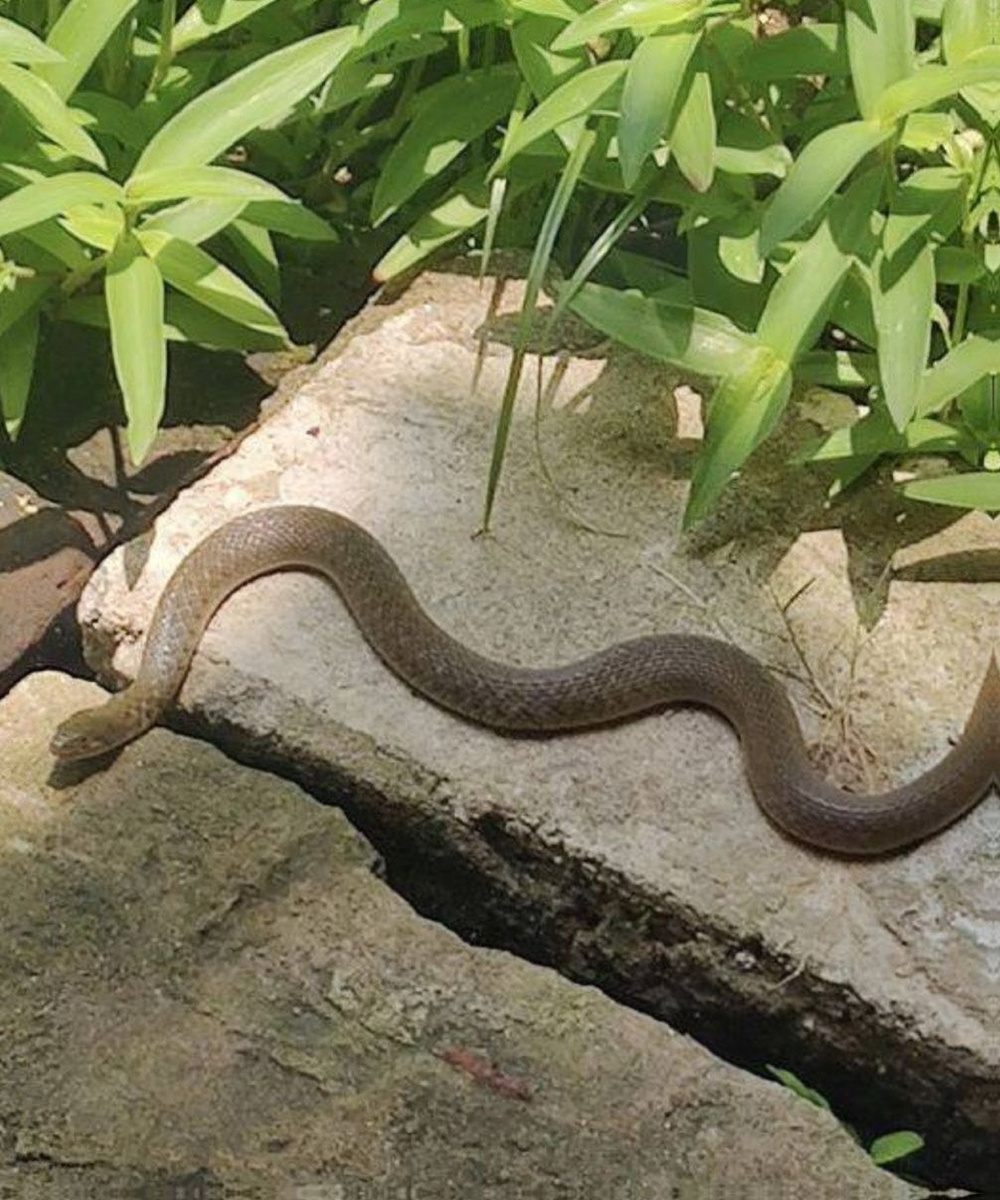
4. Gardens and Overgrown Areas Attract Snakes
Houses with tall grass, thick bushes, wood piles, broken pots, old furniture, or messy backyards are more likely to attract snakes. These places offer good hiding spots. During rain, snakes may move from these outdoor hiding places into nearby homes.
If your house is close to fields, forests, canals, ponds, or empty land, the chance of seeing snakes during rainy months may be higher. Snakes naturally live in these areas, and rain can push them toward human spaces.
5. Open Gaps Make It Easy for Snakes to Enter
Snakes can enter through surprisingly small openings. Gaps under doors, broken vents, holes near pipes, open drains, cracked walls, and uncovered windows can become entry points. During heavy rain, a snake searching for shelter may slip through these spaces.
To reduce the risk, homeowners should seal cracks, install door sweeps, cover drains with proper mesh, and keep windows or doors closed when rain is heavy.
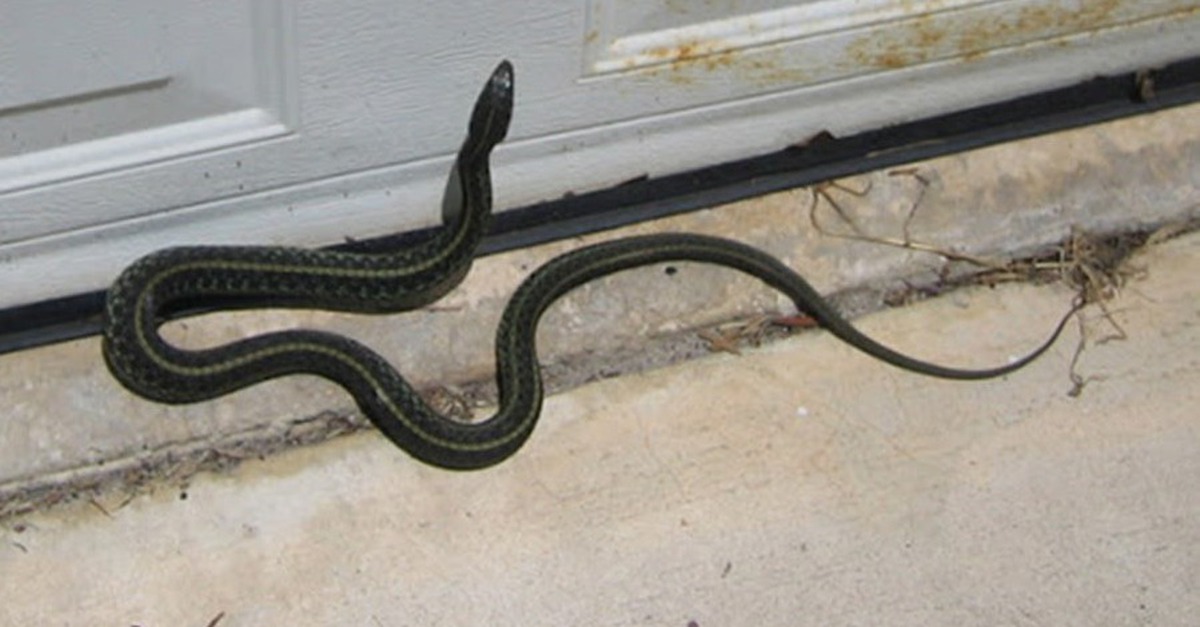
What Should You Do If You See a Snake?
The most important thing is to stay calm. Do not try to touch, catch, or kill the snake. Move children and pets away from the area and keep a safe distance. If possible, close the door to limit the snake’s movement and call local wildlife rescue, pest control, or someone trained to handle snakes safely.
How to Prevent Snakes from Entering
Keep your house and yard clean. Cut tall grass, remove piles of wood or trash, store food properly, control rats and insects, and close possible entry points. A clean, dry, well-maintained home is much less attractive to snakes.
In conclusion, snakes enter homes during the rainy season mainly because they are looking for dry shelter, warmth, and food. While many cultures attach spiritual meanings to snakes, the practical explanation is often simple: rain disturbs their habitat. By keeping your home clean and secure, you can greatly reduce the chances of an unwanted visit.
