
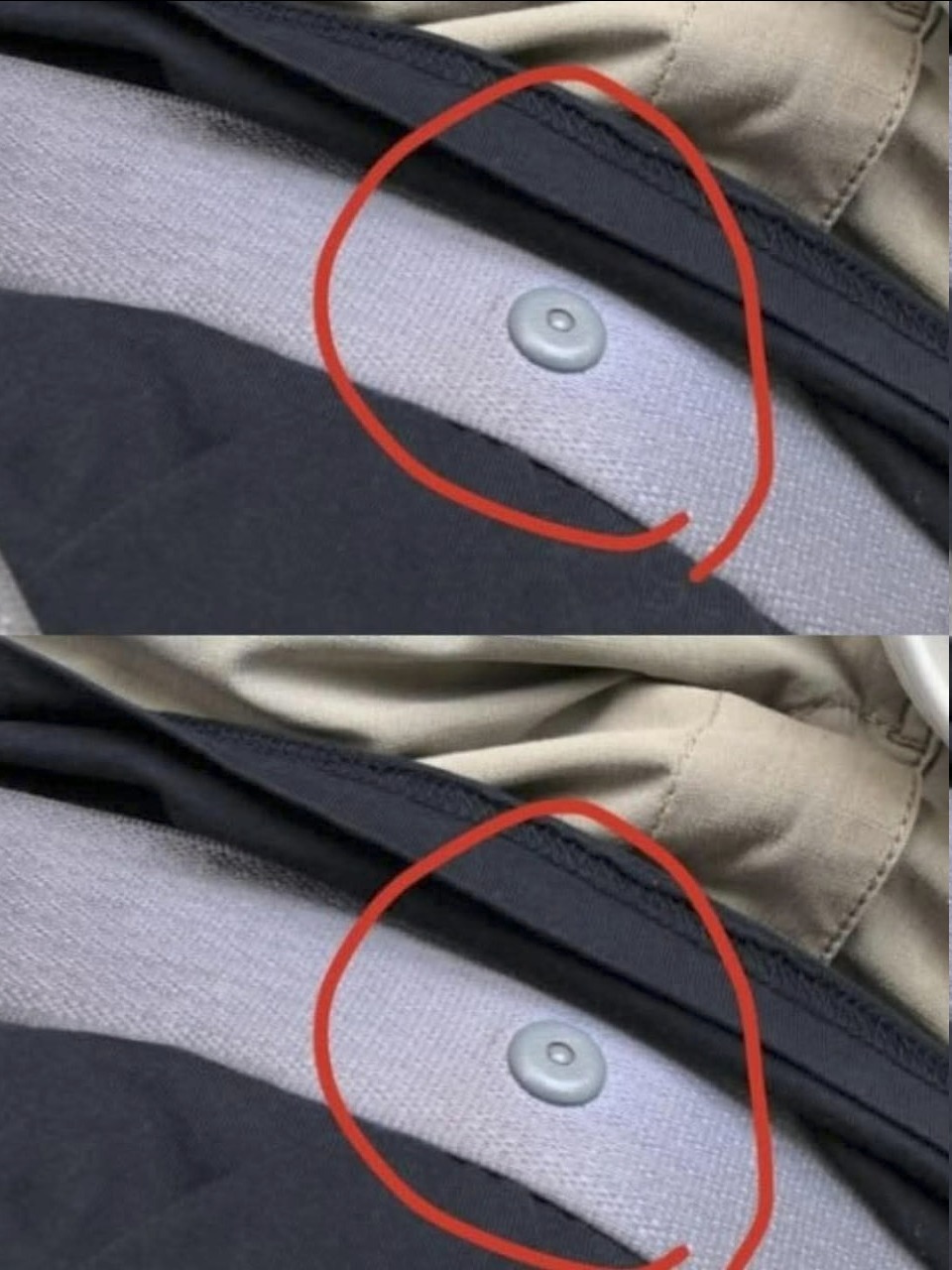
 Correct Position:
The strap should cross your mid-shoulder and chest, never your neck or face.
 Too High:
Rubs against your neck → causes chafing or distraction
In a crash, can transmit force to your neck or face → increased risk of injury
Too Low:
Slips off your shoulder → reduces restraint effectiveness
In a collision, you could submarine (slide under the belt) → serious abdominal or spinal injury
 NHTSA (National Highway Traffic Safety Administration) states: A properly positioned seat belt reduces the risk of fatal injury by 45% for front-seat passengers.
 Who Needs to Adjust It? (Hint: Almost Everyone!)
Shorter drivers: Often need to lower the belt to avoid neck pressure
Taller drivers: May need to raise it to keep the strap on the shoulder (not sliding off)
Pregnant women: Should keep the shoulder strap centered on the chest, away from the belly
Teens or new drivers: Frequently overlook this—show them how to adjust it!
 Pro tip: Adjust it every time you drive—especially if someone else used the car. One size does not fit all.
