
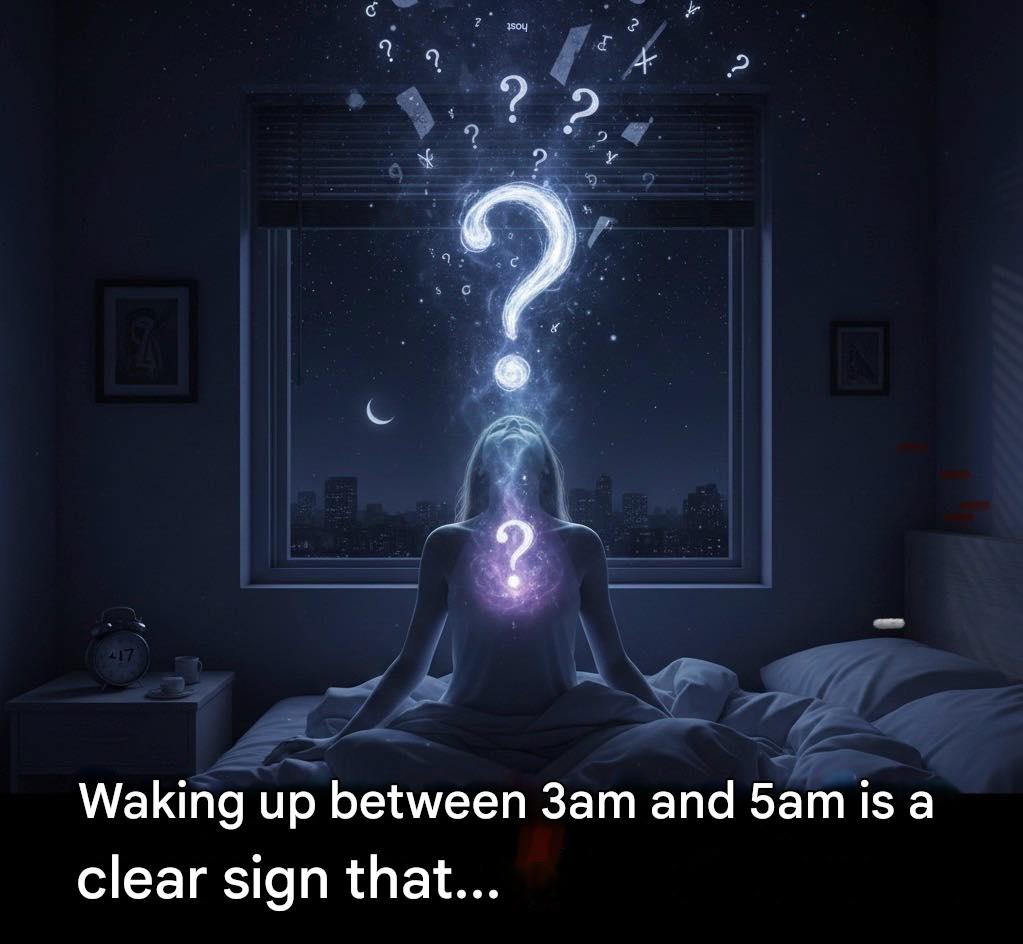
Waking up at 3 a.m. is a common experience for many people and can have various explanations, both scientific and spiritual. In this article, we explore the possible reasons behind this phenomenon and what it might mean for your well-being.
The human body follows a circadian rhythm that regulates sleep-wake patterns. Around 3 AM, the body is in a light sleep phase, making it more likely that we will wake up due to internal or external stimuli. Factors such as stress, anxiety, or poor sleep hygiene can influence this awakening.
2. Biological and Physiological Factors
From a medical perspective, waking up at 3 AM could be related to hormonal fluctuations, blood sugar regulation, or digestive issues. Additionally, some people may experience nighttime awakenings due to sleep apnea or restless legs syndrome.
3. Psychological and Emotional Factors
Stress and anxiety can lead to insomnia or frequent awakenings during the night. If you wake up at 3 AM feeling restless or worried, your mind may be processing unresolved emotions. Keeping a thought journal or practicing relaxation techniques before bed can help improve sleep quality.
4. Spiritual and Energetic Explanations
In many spiritual traditions, 3 AM is considered the “spiritual hour” or the “devil’s hour,” a time when the veil between the physical and spiritual worlds is thinnest. Some beliefs suggest that waking up at this hour could be a sign of spiritual messages or an invitation to introspection and meditation.
5. Environmental Influences
External noise, room temperature, and air quality can also be determining factors. An unsuitable sleep environment can make sleep less deep and increase the likelihood of waking up in the early morning.
Tips for Improving Sleep
If waking up at 3 AM becomes a recurring problem, consider the following:
Maintain a regular sleep routine.
Avoid consuming caffeine or alcohol before bed.
Create a comfortable and distraction-free sleep environment. Practice relaxation techniques such as meditation or deep breathing.
Conclusion
Waking up at 3 AM isn’t always cause for concern, but if it becomes a persistent pattern, it’s important to evaluate the physical, emotional, and environmental factors that may be contributing. Identifying the cause and implementing appropriate strategies can help improve your sleep quality and overall well-being.
