
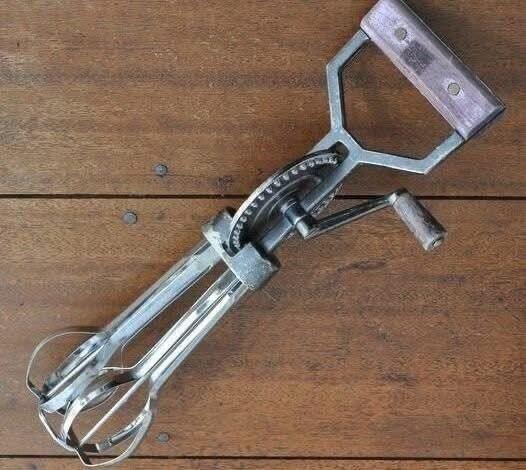
This flipping motion was once essential. Before even heat distribution and electric coils, flipping allowed gravity and heat to work together.
Cook for another 2–3 minutes. Flip once more if needed.
When steam slows and the iron releases easily, the waffle is ready.
Step 6: Release and Rest
Open the iron carefully. Use a fork to gently lift the waffle from the grooves.
The surface should be deeply golden, crisp at the edges, soft inside. The pattern should be clean and defined.
Place on a wire rack instead of stacking directly on a plate. Stacking traps steam and softens the crust.
Repeat with remaining batter.
The Forgotten Story
Long before the rise of electric kitchens, cast-iron waffle irons were symbols of craftsmanship and innovation. Many were engraved with ornate designs — family crests, geometric patterns, even seasonal motifs.
In the 19th century, waffle irons were wedding gifts. They represented stability, nourishment, and domestic pride.
When electricity entered homes in the early 20th century, companies rushed to modernize. The first electric waffle iron was patented in 1911. By mid-century, hand-flipped irons were largely obsolete.
They didn’t disappear because they were ineffective.
They disappeared because convenience won.
But something interesting happened decades later.
In an era of digital overload, people began craving tactile experiences again. Cooking became less about speed and more about ritual. The sound of sizzling iron, the physical act of flipping, the slight unpredictability — these felt grounding.
Social media amplified this nostalgia. A single satisfying flip video can gather millions of views. The mechanical simplicity feels honest in a world of touchscreens.
Serving Suggestions
Classic:
Maple syrup
Salted butter
Fresh berries
Savory Twist:
Fried egg
Crispy bacon
Sharp cheddar
Dessert Style:
Whipped cream
Dark chocolate drizzle
Toasted pecans
Tips for Perfection
Temperature Control
If waffles brown too quickly, reduce heat slightly. Cast iron retains heat intensely.
Proper Greasing
Never skip oiling between batches.
Batter Thickness
If batter seems too thick, add 1–2 tablespoons of milk.
Storage
Leftover waffles freeze beautifully. Reheat directly in a toaster.
Why This Tool Still Matters
The internet didn’t just fall in love with a waffle iron.
It fell in love with participation.
The hand-crank waffle iron demands involvement. It requires awareness. It rewards patience. It reminds us that cooking once required presence.
And in that reminder lies its quiet power.
So if you find one at a flea market or inherit one from a grandparent, don’t treat it as decoration.
Season it. Heat it. Flip it.
Because sometimes the most captivating “new” discovery is simply an old story waiting to be retold — one golden waffle at a time.
