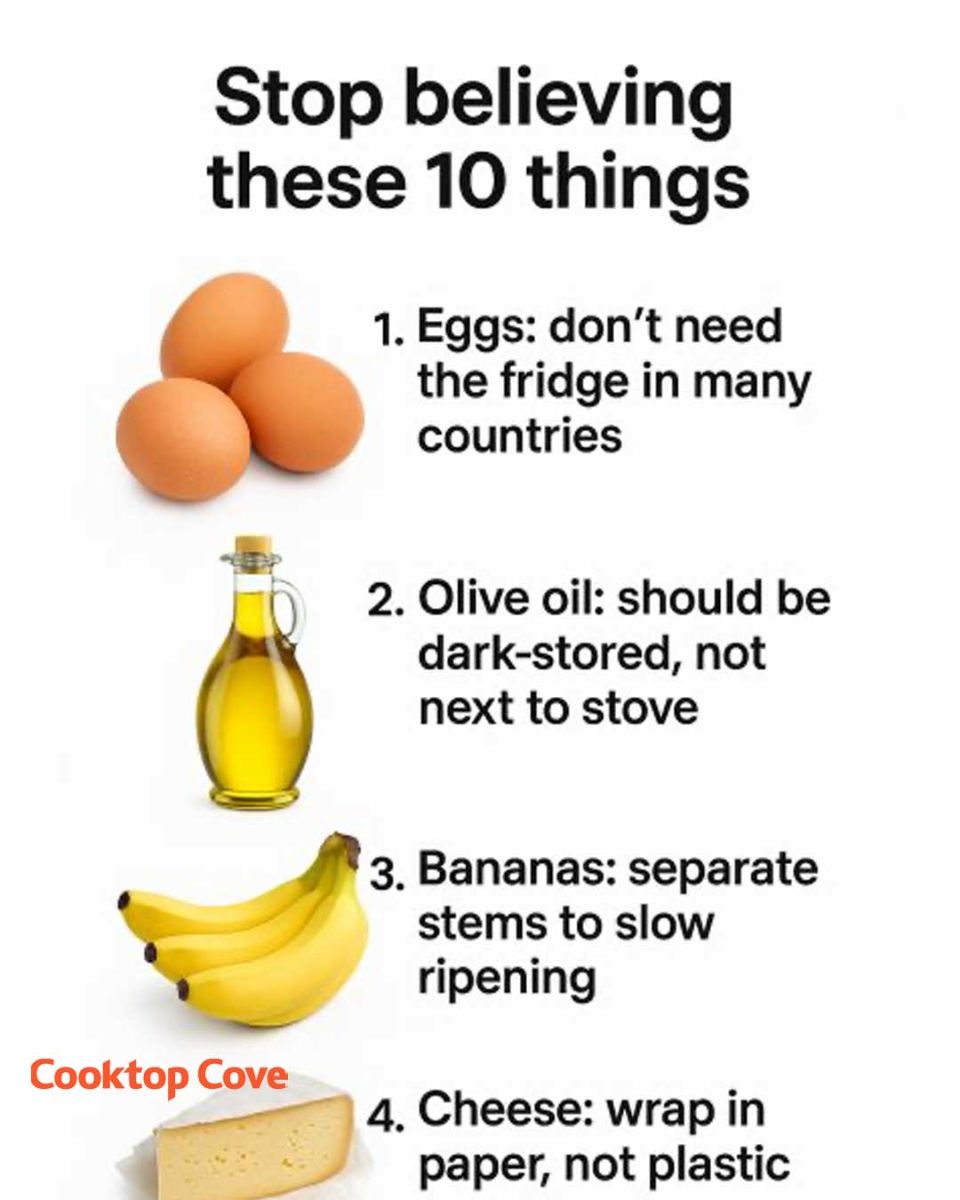
3. Separate Banana Stems to Slow Ripening
The idea behind this myth is that separating bananas will slow down the release of ethylene gas, which is responsible for ripening. While there is some truth to ethylene’s role in ripening, separating bananas may not significantly impact the process. Instead, to slow ripening, consider storing bananas in a cool area and away from other fruits. Wrapping the stems in plastic wrap can also help reduce ethylene exposure, but the effect is minimal.
4. Cheese Should Be Wrapped in Paper, Not Plastic
Cheese is a living food that requires some degree of air exposure to maintain its texture and flavor. Wrapping cheese in breathable cheese paper or wax paper is preferable to plastic because it allows the cheese to ‘breathe’ while protecting it from excessive moisture loss. Plastic wrap can trap moisture and encourage mold growth, which can spoil the cheese. When storing cheese, ensure it is wrapped tightly and kept in the vegetable drawer of the refrigerator, where humidity levels are more suitable.
5. Myth: You Need to Drink Eight Glasses of Water a Day
The ‘eight glasses a day’ rule is a simplistic guideline that doesn’t account for individual variations in water needs. Factors such as body size, activity level, climate, and overall health influence how much water a person needs. Rather than adhering rigidly to a specific number, listen to your body’s signals and drink when you feel thirsty. The Institute of Medicine suggests a total daily water intake of about 3.7 liters (125 ounces) for men and 2.7 liters (91 ounces) for women from all beverages and foods.
6. The Five-Second Rule: More Fiction Than Fact
The five-second rule suggests that food dropped on the floor is safe to eat if picked up within five seconds. However, studies have shown that bacteria can transfer to food almost immediately upon contact with a contaminated surface. The type of surface, the presence of moisture, and the nature of the food can all influence the rate and extent of bacterial transfer. It’s always a safer bet to discard food that has fallen on the floor, especially in public or high-traffic areas.
7. Organic Food Is Always Healthier
While organic foods are often perceived as healthier due to the lack of synthetic pesticides and fertilizers, the nutritional difference between organic and conventional foods is not always significant. Several studies have shown that the nutritional content of organic and conventional produce is comparable. The choice to go organic may be more about reducing exposure to pesticides and supporting sustainable farming practices rather than gaining nutritional benefits. It’s important to consider the overall diet quality rather than focusing solely on organic labels.
8. Cracking Knuckles Causes Arthritis
The belief that cracking knuckles leads to arthritis is a pervasive myth that lacks scientific support. Studies, including those published in the Journal of the American Board of Family Medicine, have found no connection between knuckle cracking and the development of arthritis. The sound of cracking comes from the release of gas bubbles in the synovial fluid of the joint, which is generally harmless. However, habitual knuckle cracking may lead to reduced grip strength over time, so moderation is advised.