
As temperatures drop, the grubs burrow deeper into the soil to overwinter. In spring, they return to the upper soil layers to resume feeding before pupating into adult beetles. This cycle can take one to three years, depending on the species and environmental conditions.
4. Why They’re Hiding in Your Spring Garden Soil
White grubs are particularly active in spring, as the warming soil signals their emergence from winter dormancy. They move closer to the surface to feed on the tender roots of newly emerging plants, which provide a rich source of nutrients.
Your garden soil offers the ideal habitat for these grubs, providing ample food and the right conditions for their development. As a result, it’s not uncommon to find them in abundance when preparing your garden beds for planting.
5. Are These Grubs Dangerous to You, Pets, or Plants?
While white grubs might look unsettling, they pose no direct threat to humans or pets. They do not bite or sting and are not known to carry diseases. However, their impact on plants can be significant, especially when present in large numbers.
Grubs primarily feed on plant roots, which can weaken or kill young plants and grasses. This feeding activity can lead to yellowing, wilting, and even the death of affected plants, making them a concern for gardeners and lawn enthusiasts.
6. The Damage They Do: Roots, Lawns, and Vegetable Beds at Risk
White grubs are notorious for the damage they cause to lawns, where they feed on grass roots, leading to brown patches and weakened turf. In severe cases, the grass can be easily lifted from the soil, revealing the grubs underneath.
In vegetable gardens, grubs can attack the roots of tender seedlings, stunting growth or causing plants to die altogether. This damage is particularly concerning for crops that rely heavily on healthy root systems for nutrient uptake and stability.
7. When to Worry: How Many Grubs Is Too Many?
A few grubs in your garden are typically not a cause for concern, as they are a natural part of the soil ecosystem. However, when their numbers exceed a certain threshold, they can become problematic. For lawns, a general rule of thumb is that more than 10 grubs per square foot can lead to noticeable damage.
In vegetable gardens, even a smaller number of grubs can be detrimental, especially if they are targeting vulnerable seedlings. Monitoring and managing grub populations can help prevent significant damage to your plants.
8. Natural Control Methods: Birds, Nematodes, and Hand-Picking
There are several natural methods to control white grub populations in your garden. Birds are natural predators of grubs and can help reduce their numbers if you encourage them to visit your garden. Providing bird feeders and bird baths can attract these helpful allies.
Beneficial nematodes are microscopic worms that can be applied to the soil to parasitize and kill grubs. These nematodes are safe for plants and animals and can be an effective biological control method. Additionally, hand-picking grubs while preparing the soil can help keep their numbers in check.
9. Chemical Options and When They Make Sense
Chemical control should be considered a last resort, used only when grub populations are excessively high and causing significant damage. Several insecticides are available that target white grubs, but they should be applied carefully, following all label instructions to minimize environmental impact.
Timing is crucial for chemical control, as treatments are most effective when grubs are actively feeding near the soil surface, typically in late summer or early fall. Consult with local extension services for advice tailored to your specific situation.
10. Preventing Future Infestations in Your Yard and Garden
To prevent future grub infestations, consider implementing cultural practices that make your garden less hospitable to beetles. Maintaining healthy soil and plants can reduce the attractiveness of your garden to egg-laying beetles.
Regularly aerating your lawn and avoiding over-fertilization can help create conditions that are less favorable for grub development. Additionally, rotating crops and avoiding monocultures in vegetable gardens can reduce the risk of severe infestations.
11. When to Call in a Pro—and When to Simply Leave Them Be
If you find yourself dealing with a severe grub infestation that you are unable to manage on your own, it may be time to call in a professional pest control service. Professionals have access to more powerful treatments and can provide tailored solutions for your garden or lawn.
However, if grubs are present in small numbers and not causing significant damage, it may be best to leave them be. They serve an important ecological role in decomposing organic matter and contributing to soil health. Monitoring and managing grubs with natural methods can often be sufficient for maintaining a healthy garden ecosystem.
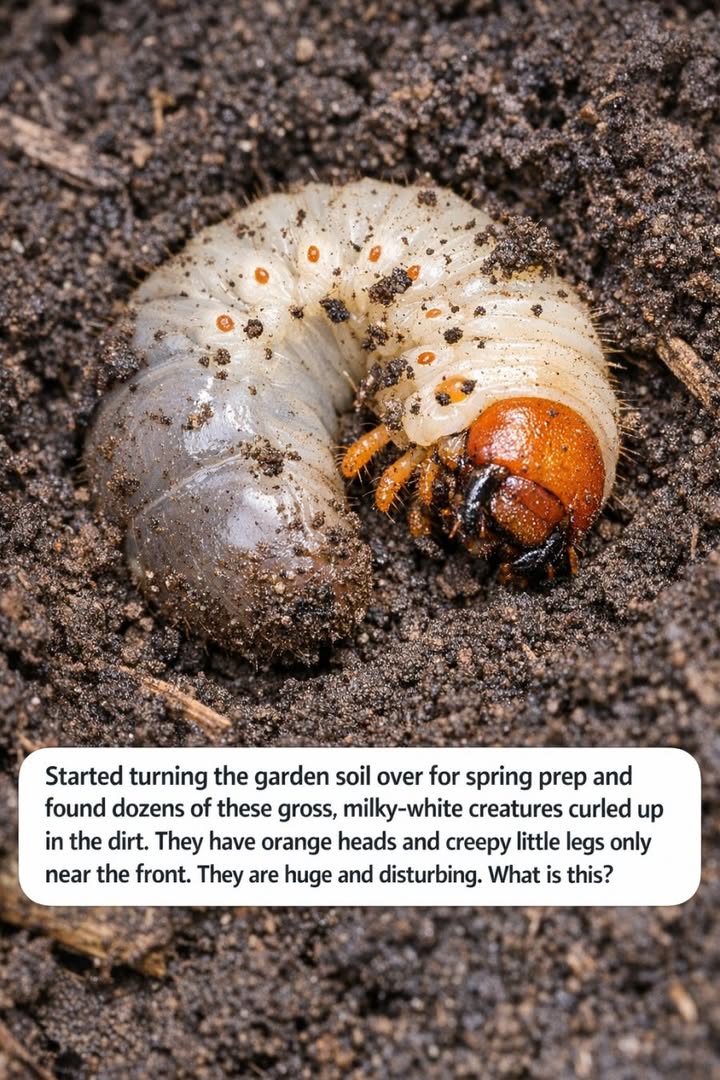
Started turning the garden soil over for spring prep and found dozens of these gross, milky-white creatures curled up in the dirt. They have orange heads and creepy little legs only near the front. Th
Pages: 1 2
