
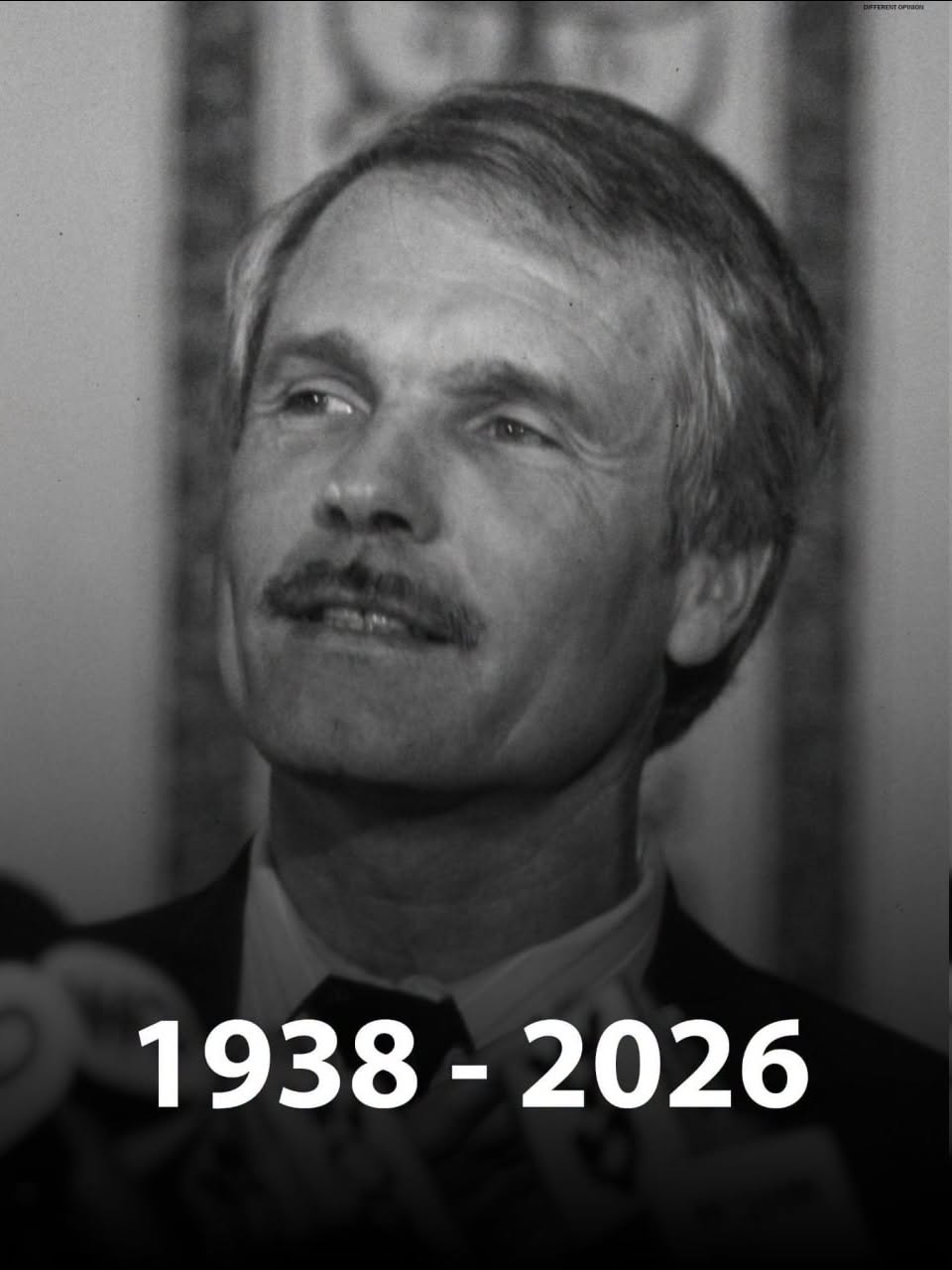
Throughout his career, Turner received significant attention for his willingness to pursue ambitious projects and challenge established ideas. His approach to media demonstrated how new technology and innovative programming could expand the reach of information and entertainment. While his career included both major achievements and periods of controversy, his influence on modern television remains an important part of broadcasting history.
Away from his professional accomplishments, Turner also became associated with environmental conservation and efforts to protect natural resources. He supported conservation projects and invested in initiatives designed to preserve land and wildlife. These activities reflected his broader interest in addressing issues that extended beyond the media industry.
Turner’s legacy is therefore connected to much more than the creation of a major television network. His career reflected a combination of entrepreneurship, innovation, broadcasting, sports, and philanthropy. The television landscape has changed considerably since CNN first began broadcasting, with viewers now receiving information through television, websites, mobile devices, and social media. Nevertheless, the idea of providing continuous access to news remains a major part of modern media.
As people reflect on Turner’s life and career, his contribution to television history stands out as one of his most significant achievements. He helped introduce a new way of delivering news to audiences and demonstrated how a bold idea could develop into a global media enterprise. His philanthropic work also became an important part of his public legacy.
Ted Turner leaves behind a career that influenced generations of broadcasters, entrepreneurs, and viewers. His story remains an example of how innovation, business leadership, and philanthropy can shape industries and create an impact that continues long after the original idea is introduced.
