
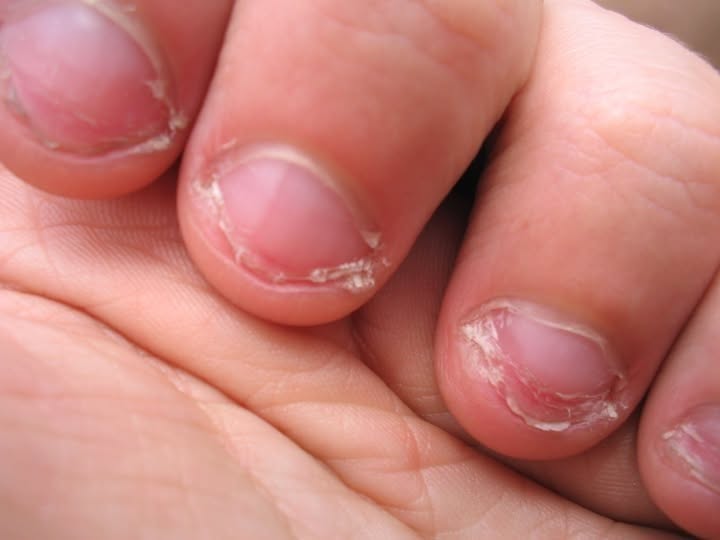
For many people, nail biting is an everyday occurrence. It happens while watching TV, studying, working, or even unconsciously. It is a gesture that is often minimized and labeled as a “weirdness” or a “nervous habit.” However, when this behavior becomes repetitive, intense, and difficult to stop, it is no longer just a passing habit. In the medical field, it has a specific name: onychophagia .
Onychophagia is the act of biting one’s nails repeatedly and, in many cases, compulsively. It is not always related to boredom, as is commonly believed. Several specialists include it in the category of body- centered repetitive behaviors , a group that also includes skin-biting or hair-pulling. These actions often occur as a way of managing emotional states that generate tension.
There is a clear relationship between onychophagia (nail biting) , anxiety , and stress . Many people admit to biting their nails when they are nervous, under pressure, or experiencing prolonged worry. At those times, the act of biting their nails provides a brief sense of relief. It functions as a kind of immediate emotional release. The problem is that this relief is temporary. When repeated, the behavior becomes ingrained and can turn into an automatic response to any situation that causes internal discomfort.
Over time, what started as an occasional reaction can turn into a pattern that is difficult to control. Some people even say they only realize they are biting their nails when the damage is already done. This loss of control is one of the signs that the behavior is worth paying attention to.
