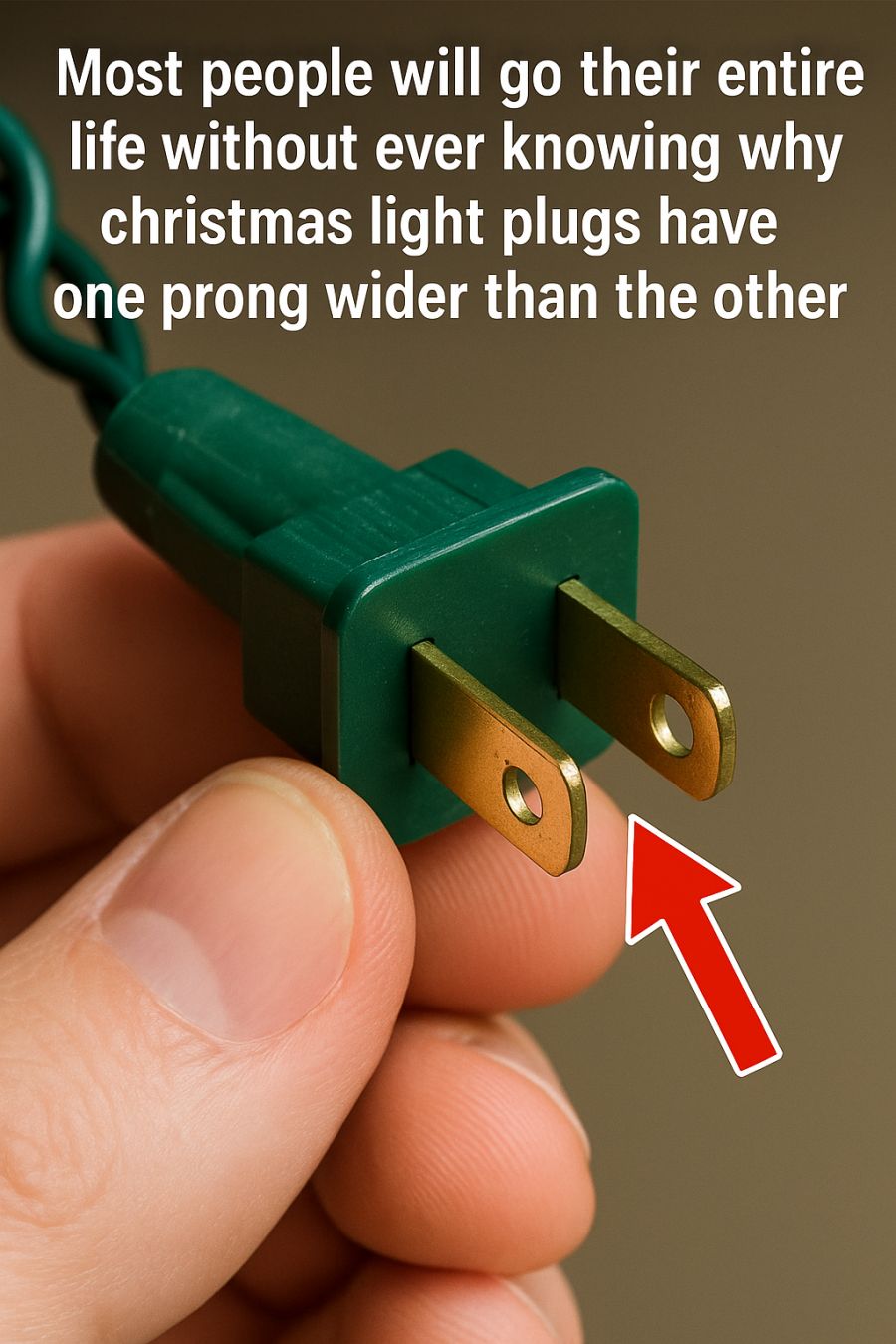
2. Polarization: The Hidden Safety System Inside Every Plug
Polarization is a safety system designed to ensure that electrical devices are connected correctly to the power supply. In a polarized plug, one prong is wider than the other, ensuring that it can only be inserted one way into an outlet. This design forces the connection of the neutral wire to the correct side of the receptacle, which is important for the safety and functionality of electrical devices. Polarization helps ensure that switches and fuses function correctly, as they are usually connected to the ‘live’ side of the circuit. By maintaining this orientation, polarized plugs and outlets help protect against electrical shock hazards and ensure that devices operate as intended.
3. How The Wider Prong Keeps Metal Parts From Becoming Live
The wider prong ensures that the plug is inserted in the correct orientation so that the neutral side of the circuit is maintained. This is crucial for appliances with metal exteriors or other conductive parts. If a device is correctly polarized, any conductive parts are connected to the neutral side and not the live side. This orientation prevents the metal parts from becoming ‘live’ or electrified, which reduces the risk of shock. This design consideration is particularly important for devices like lamps, toasters, and, importantly, decorative lights like those used at Christmas, which may be touched frequently or used in damp outdoor conditions.
4. Why Christmas Lights Need Polarized Plugs More Than You Think
Christmas lights, often used outdoors and around water-prone areas, need the added safety of polarized plugs. The polarization ensures that the lights are properly grounded, which is especially important given the long strings of bulbs and wires that can increase the chance of electrical faults. If a strand of lights is not correctly polarized, there’s a risk that the plug and the metal components could become live, particularly if the insulation is damaged. This can lead to shocks or even fires. Polarization ensures that even if a fault occurs, the risk of it leading to a dangerous situation is minimized.
5. The Role Of UL And Safety Codes In Mandating Wider Prongs
Underwriters Laboratories (UL) and other safety organizations play a critical role in developing standards that mandate the use of polarized plugs. These standards are designed to protect consumers from potential electrical hazards. UL tests and certifies electrical products to ensure they meet safety standards, and one of these requirements is the use of polarized plugs where necessary. The guidelines set by UL and enforced through building codes ensure that manufacturers design products that are safe for consumer use, reducing the risk of electrical shock and fire. Compliance with these standards is mandatory for products sold in the US, making them a cornerstone of consumer safety.
6. How Polarized Plugs Help Prevent Shocks And Electrical Fires
Polarized plugs help prevent electrical shocks by ensuring that the connection between the electrical device and the power source is made in a way that minimizes risk. By aligning the neutral connection correctly, these plugs help prevent the appliance’s metal parts from becoming live. Moreover, proper polarization reduces the likelihood of shorts or electrical fires caused by incorrect wiring or faulty connections. When an electrical fault occurs, a correctly polarized plug ensures that the fault path is directed safely to the ground, allowing circuit breakers to trip and cut off power.
7. Why Some Old Outlets Don’t Match Your Christmas Light Plug
Older homes may still have non-polarized outlets, which do not accommodate the wider prong of polarized plugs. These outlets were designed before the widespread adoption of polarized plugs and do not provide the same level of safety. If you encounter one of these outlets, it may be tempting to file down the prong on your plug, but this is dangerous. Instead, consider upgrading the outlets to meet modern safety standards. This update will allow you to use polarized plugs as intended, ensuring that your home is safer and compliant with current electrical codes.
8. The Dangerous Hack: Never Filing Down Or Bypassing The Wide Blade
Filing down the wider prong on a polarized plug defeats the purpose of polarization, compromising the safety that it provides. This ‘hack’ can lead to improper connections, increasing the risk of electrical shock or fire. The wider prong is a deliberate safety feature, and altering it can cause the device to be connected incorrectly, with live parts potentially becoming exposed. It is always best to address the root cause of the problem, such as upgrading an old outlet, rather than bypassing safety features that are there to protect you.
9. Extension Cords, Power Strips, And Plug Orientation Mistakes
Extension cords and power strips should also be polarized to maintain the safety provided by polarized plugs. When using these devices, ensure that they allow the correct orientation of the plug. Inserting a polarized plug incorrectly can negate its safety features, leading to potential hazards. Always check that your power strips and cords are designed to accommodate polarized plugs, and avoid using excessive force to fit plugs into outlets, which can damage both the plug and the outlet.