
What This Means for Shoppers
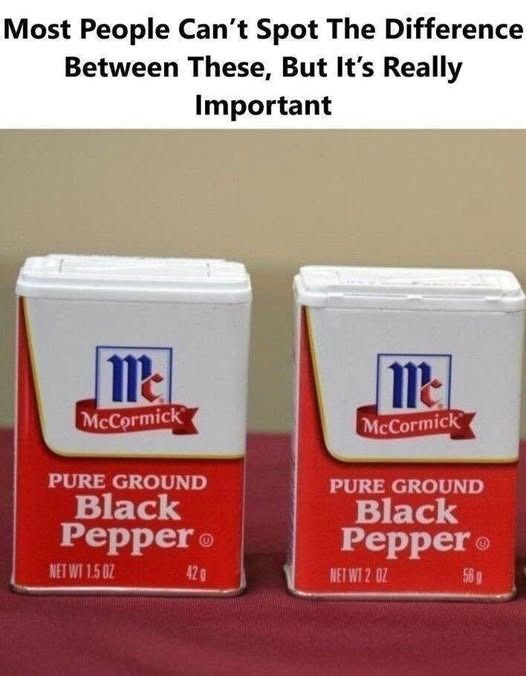
For consumers, the impact is real. When comparing the two products side by side, many assume McCormick offers more pepper for the price. But the truth is, both brands now contain the same amount.
McCormick defends itself by pointing to the weight printed on the label, stating that the information is technically accurate and that buyers should rely on that—not appearance.
Still, critics—including Watkins and a growing number of customers—say the packaging is intentionally designed to confuse. So much so, that a class-action lawsuit has been filed by consumers who feel misled by the new tins. Both cases are currently progressing through federal court.
Why Trust Matters More Than Ever
This dispute goes beyond pepper—it’s about transparency, honesty, and trust. Brands build loyalty over decades, but moments like this can erode that trust in an instant.
McCormick’s reputation is now under scrutiny, not because they changed their product size—but because they did it in a way that makes it hard for consumers to notice. In an era where authenticity matters, actions like these can have lasting consequences.
This case serves as a powerful reminder:
- Trust is earned—and easily lost.
- Transparency builds loyalty—not clever packaging.
- Small details matter—especially when they affect what we buy and how much we pay.
Final Thoughts
When you reach for a spice tin, you’re not just buying flavor—you’re placing trust in a brand.
This situation shows why we must stay alert. That slightly larger container might not mean more value. Sometimes, it just means smarter marketing.
So next time you shop, look past the shape, the color, the familiar logo.
Check the label.
Ask: Am I getting what I think I am?
Because when it comes to everyday items, the smallest details can make the biggest difference.
