
Irises are drought-tolerant plants that thrive in well-drained soil. Overwatering in April can saturate the soil, leading to rot and fungal diseases that can quickly decimate your iris beds. It’s important to strike a balance between providing enough moisture for growth without drowning the plants.
Monitor the rainfall and adjust your watering schedule accordingly. Ensure that your iris beds have proper drainage, and water deeply but infrequently, allowing the top layer of soil to dry out between waterings. This encourages deep root growth and reduces the risk of rot.
4. Ignoring Crowded Clumps Instead Of Dividing And Replanting
As irises grow, they naturally form large clumps that can become overcrowded. This competition for resources can lead to fewer blooms and increased susceptibility to disease. April is an ideal time to divide and replant iris clumps to ensure healthy growth.
Carefully dig up the clumps and separate the rhizomes, discarding any that appear diseased or damaged. Replant the healthy rhizomes about 12 to 18 inches apart, giving them enough room to spread and thrive. This process not only rejuvenates the plants but also encourages more prolific blooming in the summer.
5. Using High-Nitrogen Fertilizer That Fuels Leaves, Not Flowers
Feeding irises with the wrong type of fertilizer can lead to lush foliage at the expense of flowers. High-nitrogen fertilizers promote leaf growth, which can be detrimental to flower production. Instead, use a balanced fertilizer with low nitrogen content to encourage blooming.
Apply the fertilizer in early spring, just as the irises begin to grow. A ratio such as 5-10-10 or 10-10-10 is ideal, providing the necessary nutrients without overwhelming the plants with nitrogen. Follow the manufacturer’s instructions for application rates to avoid over-fertilization.
6. Letting Weeds Take Over Iris Beds During Spring Growth
Weeds compete with irises for sunlight, water, and nutrients, often outpacing them in growth during the spring. Allowing weeds to take over your iris beds can significantly impact the health and blooming potential of your plants.
Regularly inspect your iris beds for weeds and remove them promptly. Hand-pulling is effective, ensuring you remove the roots to prevent regrowth. Consider applying a layer of mulch around the irises after the winter mulch is removed to suppress weed growth while retaining soil moisture.
7. Disturbing Rhizomes With Heavy April Cleanup And Cultivation
While it’s important to prepare your garden beds for the growing season, overzealous cleanup and cultivation can damage iris rhizomes. Heavy raking or tilling can disturb the rhizomes, leading to broken roots and reduced plant vigor.
When cleaning up your iris beds, work carefully around the plants. Use a gentle hand to remove debris and old foliage, and avoid deep cultivation that could disrupt the rhizomes. This careful approach helps maintain the integrity of the root system and supports healthy growth.
8. Skipping Preventive Pest And Disease Checks In Early Spring
Irises are susceptible to a range of pests and diseases, including iris borers and fungal infections. Neglecting to perform preventive checks in early spring can lead to infestations and infections that severely affect your plants later in the season.
Inspect your irises regularly for signs of pests, such as chewed leaves or discolored spots. Remove any affected foliage promptly and consider using an appropriate pesticide or fungicide as needed. Early intervention can prevent small problems from becoming major issues, ensuring your irises remain healthy and vibrant.
9. Choosing The Wrong Companion Plants That Shade Out Irises
Companion planting can enhance the beauty and health of your garden, but selecting the wrong companions for irises can lead to shading and competition. Irises require full sun to thrive, and plants that grow tall and dense can block this essential light.
When choosing companion plants, opt for those with a similar growth habit or those that grow lower to the ground. Consider plants like daylilies or ornamental grasses, which complement irises without overshadowing them. This thoughtful selection ensures that your irises receive the light they need to produce stunning blooms.
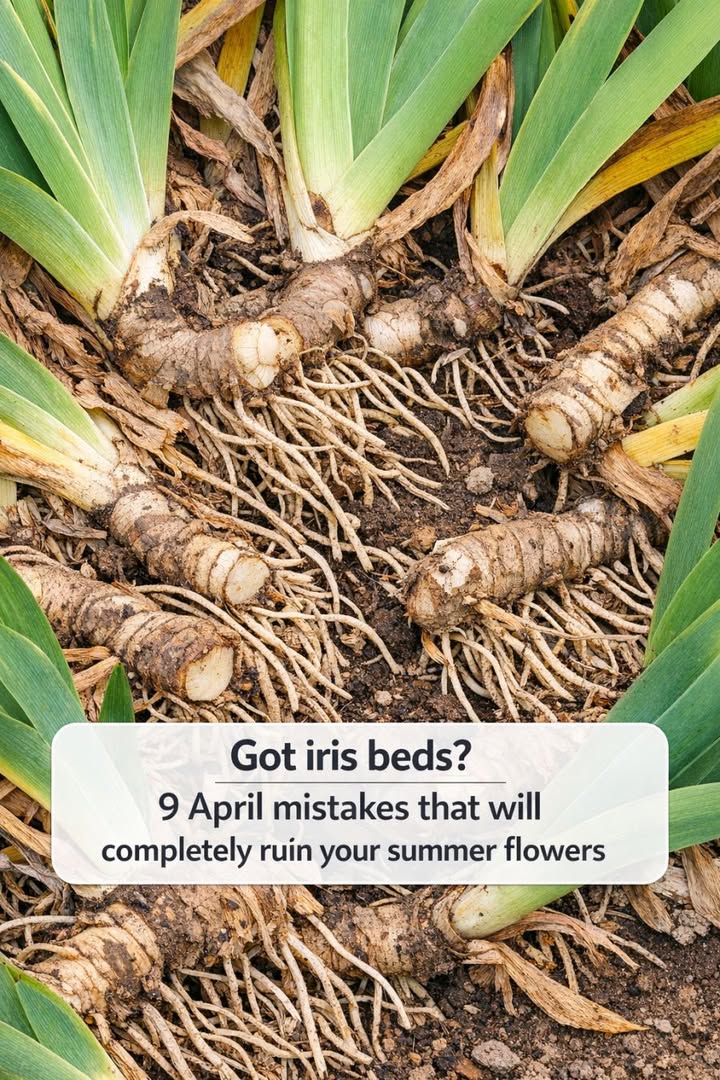
Got iris beds? 9 April mistakes that will completely ruin your summer flowers
Pages: 1 2
