
8. Protect Emerging Shoots From Deer, Rabbits, and Other Grazers
Wildlife can quickly decimate your hostas if left unchecked. Use physical barriers like wire mesh or netting to protect young shoots from hungry deer and rabbits. You can also apply commercial repellents that deter animals with scent or taste.
For a natural deterrent, plant companion plants that deer and rabbits dislike, such as lavender or marigolds, around your hostas. Reapply repellents regularly, especially after rainstorms, to maintain their effectiveness.
9. Patrol for Pests and Diseases So Leaves Stay Pristine
Regularly inspect your hostas for signs of pests like aphids or diseases such as leaf spot. Early detection is key to preventing widespread problems. Use a strong jet of water to wash off aphids or apply insecticidal soap if infestations are severe.
For fungal diseases, ensure good air circulation around plants by spacing them appropriately and removing any infected leaves immediately. Applying a fungicide at the first sign of disease can help protect your hostas from further damage.
10. Groom, Edge, and Companion-Plant to Showcase Massive Hostas
To highlight your hostas’ impressive foliage, keep their surroundings neat and tidy. Trim back any encroaching plants and edge the garden beds to create a defined border. This not only showcases the hostas but also reduces competition for nutrients and water.
Consider companion planting with ferns, astilbes, or heucheras, which complement hostas and add visual interest to your garden. A well-groomed and thoughtfully planted garden bed ensures your hostas are the stars of the show, displaying their massive leaves to full effect all summer long.
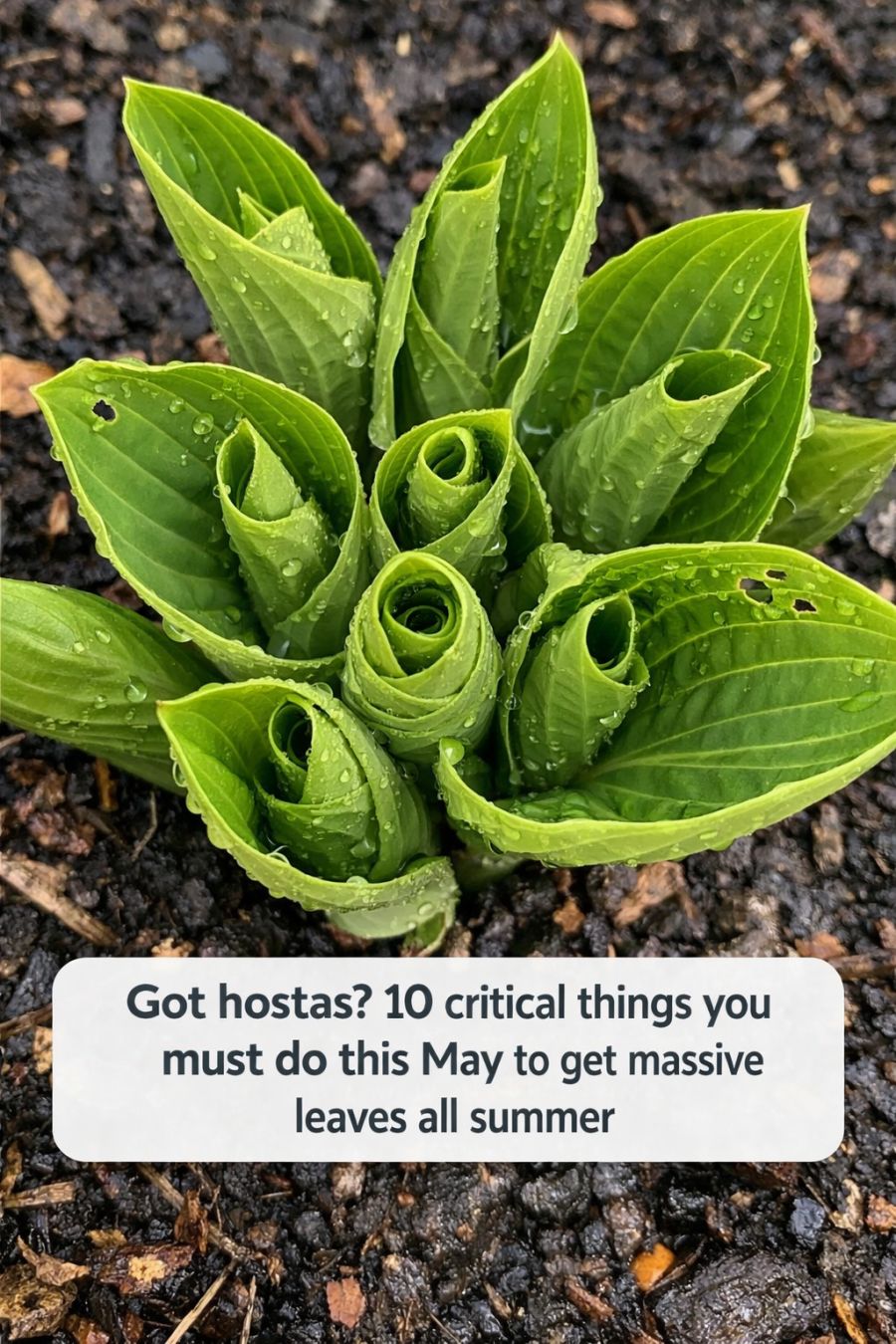
Got hostas? 10 critical things you must do this May to get massive leaves all summer
Pages: 1 2
