
Diseases like powdery mildew and botrytis can also affect dahlias, particularly in humid conditions. Ensure good airflow around the plants by spacing them appropriately and pruning excess foliage. Remove and destroy any infected plant material promptly to prevent the spread of disease.
9. Prune For Airflow So Blooms Don’t Rot Or Mildew
Proper pruning not only shapes your dahlia plants but also improves airflow, reducing the risk of fungal diseases. Begin by removing any damaged or dead leaves and stems. Thin out the interior of the plant by cutting away excess foliage, focusing on areas where leaves and stems overlap.
This pruning technique allows for better light penetration and air circulation, helping to keep the plant dry and less susceptible to rot and mildew. Aim to maintain an open structure that supports healthy growth and abundant flowering.
10. Cut Blooms The Right Way To Trigger An Ongoing Flower Explosion
Harvesting dahlia blooms correctly can encourage the plant to produce more flowers. Use clean, sharp scissors or pruners to cut the flowers when they are fully open, leaving a stem length of about 12-18 inches. Make the cut just above a leaf node, which will stimulate new growth and additional blooms.
Regularly cutting flowers not only beautifies your indoor space but also signals the plant to continue its flowering cycle, ensuring a continuous display of stunning blooms throughout the season.
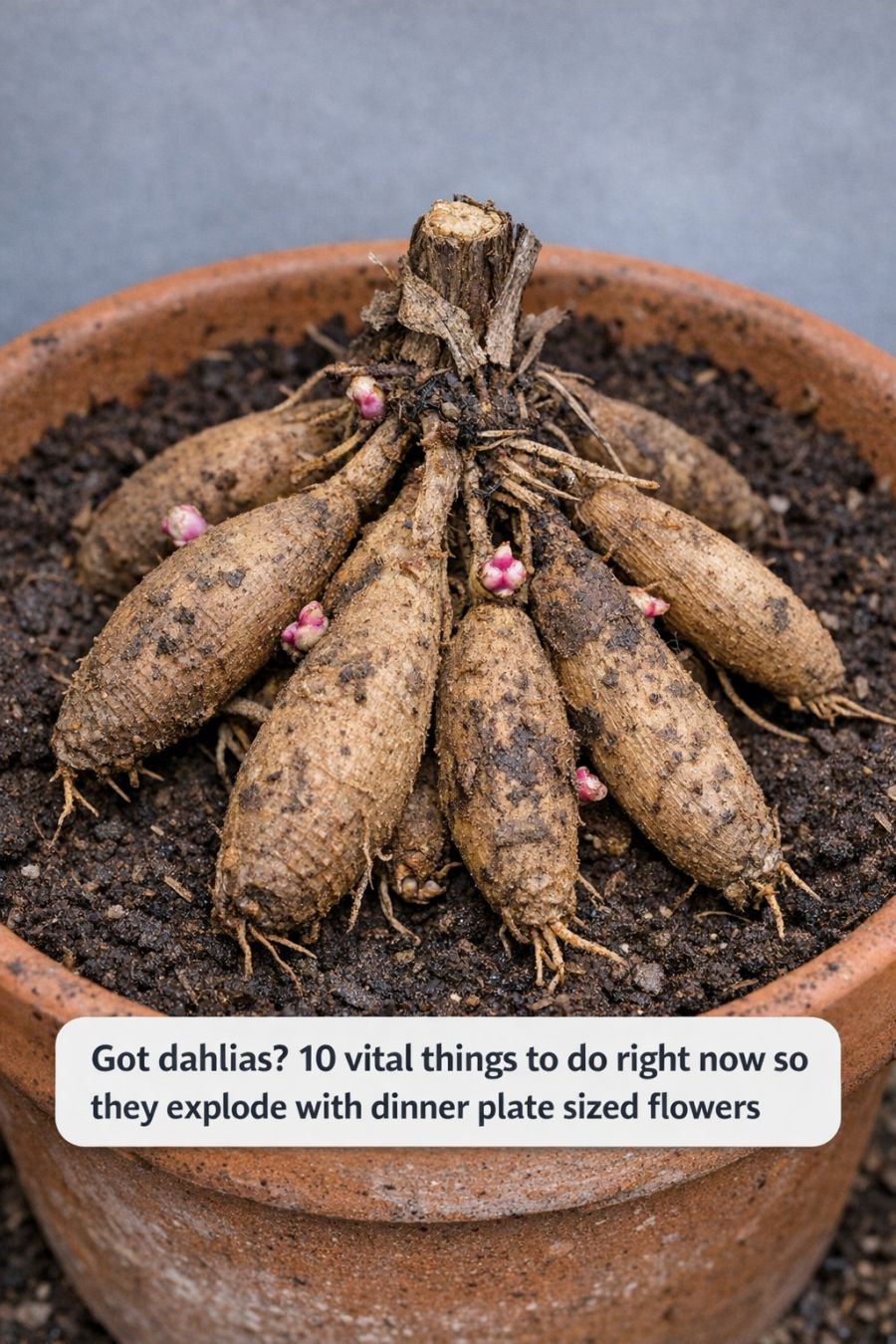
Got dahlias? 10 vital things to do right now so they explode with dinner plate sized flowers
Pages: 1 2
