
Weeds compete with your irises for nutrients, water, and sunlight. In April, take the time to weed your iris beds thoroughly. Use a hand trowel or cultivator to remove weeds by the roots, ensuring they don’t return.
Be careful not to disturb the rhizomes while weeding. Regular weeding not only keeps your garden looking neat but also helps your irises thrive by reducing competition for essential resources.
7. Water Wisely to Wake Rhizomes Without Causing Rot
As temperatures rise in April, it’s important to start watering your irises to encourage growth. However, be cautious not to overwater, as excessive moisture can lead to rhizome rot. Water deeply but infrequently, allowing the soil to dry out between watering sessions.
A good rule of thumb is to water when the top inch of soil feels dry to the touch. Focus on watering the base of the plants rather than the foliage to minimize the risk of fungal diseases.
8. Stake Tall Varieties and Plan for Bloom Support
Some bearded iris varieties can grow quite tall and may require staking to prevent them from toppling over. As the shoots begin to grow, use bamboo stakes or other supports to gently tie the stems. Place the stakes about 3 to 4 inches from the rhizomes to avoid root damage.
Planning for bloom support early in the season ensures that your irises will stand tall and proud when they come into bloom. This not only enhances their appearance but also prevents damage to the plants from wind or heavy rain.
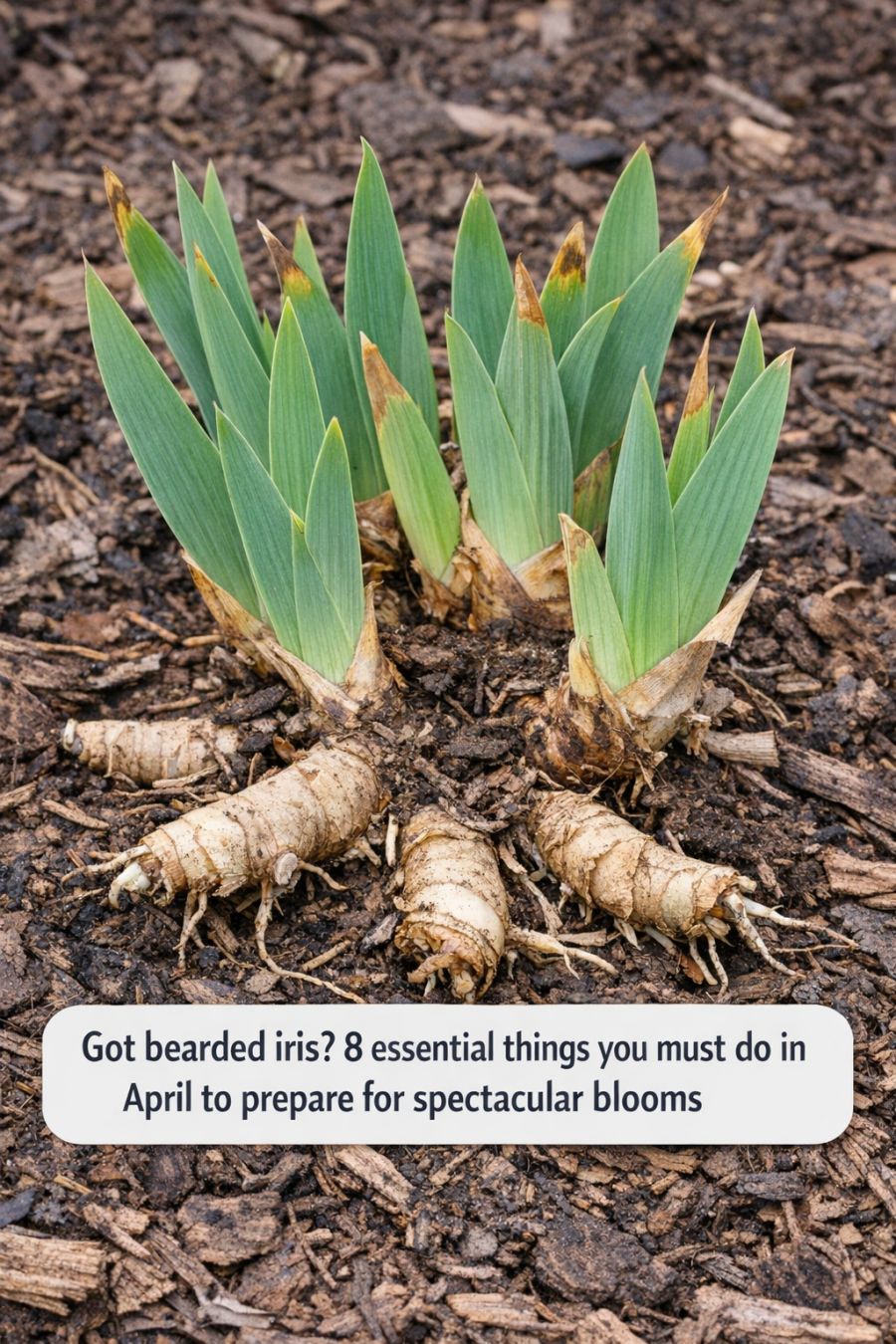
Got bearded iris? 8 essential things you must do in April to prepare for spectacular blooms
Pages: 1 2
