
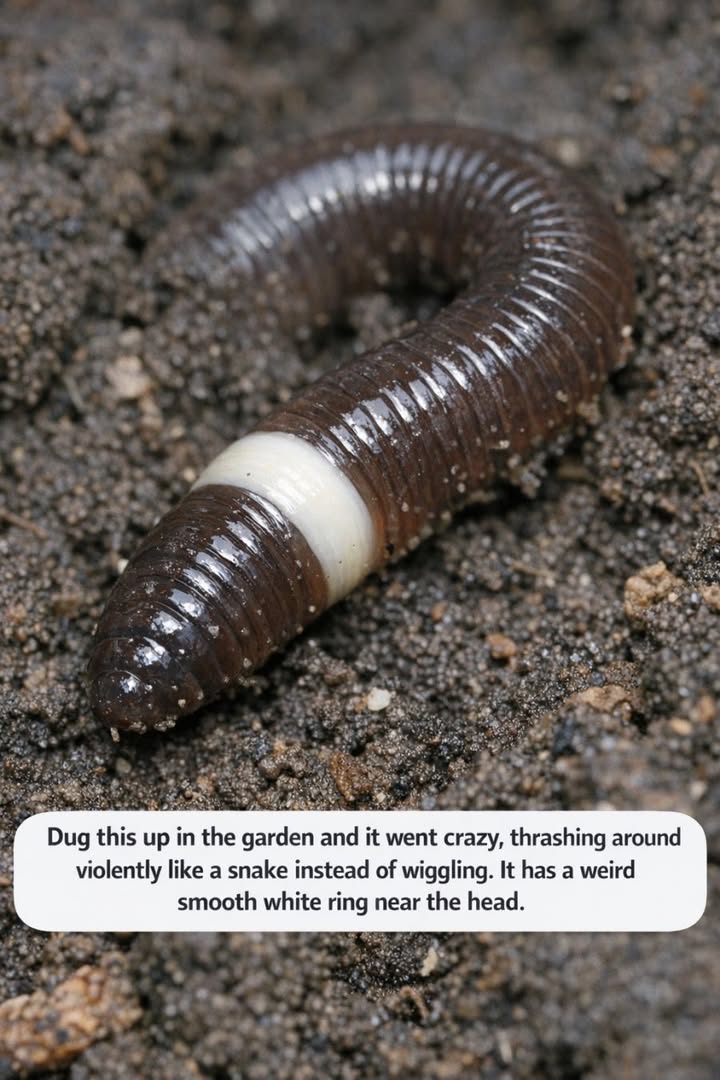
In addition to its appearance, the clitellum plays a crucial role in the reproductive process of these worms. Asian jumping worms reproduce through a process known as parthenogenesis, meaning they can reproduce without mating. This leads to rapid population growth, as each worm can lay numerous cocoons that hatch into new worms, making it vital to identify and manage these worms early to prevent large-scale infestations.
3. How To Quickly Tell Jumping Worms From Regular Garden Earthworms
Differentiating jumping worms from regular earthworms involves observing several key characteristics. Besides the thrashing movement and the distinctive clitellum, jumping worms have a darker, more metallic sheen compared to the duller, pink or brown colors of native earthworms. When handled, jumping worms tend to exhibit more vigorous movements and can be more difficult to grasp due to their slippery skin.
Another distinguishing factor is the texture of the soil they inhabit. Jumping worms tend to leave behind a granular, coffee-ground-like soil structure as they feed, which is quite different from the aerated, crumbly soil created by earthworms. This soil alteration can have significant implications for soil health and plant growth, further distinguishing their presence from that of beneficial earthworms.
4. Where Asian Jumping Worms Came From And How They Spread To Your Yard
Asian jumping worms are native to Japan and Korea, but they have been introduced to North America through various means, including the importation of plants, soil, and compost. These worms were first reported in the United States in the late 19th century and have since spread to numerous states, thanks to the transportation of soil and organic materials that may contain their eggs or young worms.
Once introduced into a new environment, jumping worms can spread quickly due to their reproductive capabilities. Their cocoons, which are about the size of a mustard seed, can be easily overlooked and transported via gardening equipment, potted plants, and even footwear. This ease of spread, combined with their ability to thrive in different soil conditions, has allowed them to establish themselves in various ecosystems, from urban gardens to rural forests.
5. Why These Invasive Worms Are Bad News For Your Soil And Plants
The presence of Asian jumping worms in a garden or forest ecosystem can have detrimental effects on soil health and plant life. These worms consume organic matter at a rapid rate, stripping the soil of its essential nutrients and altering its structure. The coffee-ground-like soil they leave behind is less capable of retaining moisture and nutrients, which can lead to reduced plant growth and increased erosion.
Additionally, the loss of leaf litter and organic material can disrupt the habitats of native organisms that rely on these resources. The changes in soil composition can also affect the germination of seeds and the growth of young plants, leading to shifts in local biodiversity. These impacts highlight the importance of managing jumping worm populations to preserve soil health and ecosystem balance.
6. What To Do Immediately When You Unearth A Thrashing Jumping Worm
If you discover a jumping worm in your garden, it’s important to act quickly to prevent its spread. First, carefully capture the worm using gloves or a tool to avoid direct contact and place it in a sealed plastic bag. Identifying and isolating the worm immediately can help prevent it from laying eggs or escaping into other parts of the garden.
Examine the surrounding soil for additional worms and their coffee-ground-like castings. Removing as many worms as possible from the affected area can help reduce the immediate population. However, since jumping worms reproduce rapidly, ongoing monitoring and management efforts will be necessary to control their numbers effectively.
7. Safe Ways To Dispose Of Asian Jumping Worms Without Spreading Them
Disposing of Asian jumping worms safely is crucial to prevent further spread. After capturing the worms, seal them in a plastic bag and place it in the sun for several hours or put it in the freezer overnight to ensure they are killed. Once you are certain the worms are dead, you can dispose of the bag in the trash.
Avoid composting the worms or releasing them in other areas, as this can inadvertently contribute to their spread. By following these disposal practices, you can help contain the population and protect your garden and local ecosystem from further infestation.
8. How To Check Mulch, Soil, And Plant Trades For Hidden Jumping Worms
When acquiring new mulch, soil, or plants, it’s essential to inspect these materials for signs of jumping worms. Check for the characteristic coffee-ground-like soil texture and be on the lookout for any adult worms or their cocoons. If you find any suspicious signs, avoid using the material and report it to local agricultural authorities.
Consider sourcing materials from reputable suppliers who are aware of the issue and take steps to prevent contamination. Additionally, when trading plants with other gardeners, inspect the root systems and soil for any signs of jumping worms, and quarantine new acquisitions before introducing them to your garden.
9. Garden Practices That Help Slow Or Prevent Jumping Worm Infestations
Adopting certain garden practices can help slow or prevent jumping worm infestations. Regularly monitoring your garden for signs of these worms and maintaining healthy soil through proper composting and mulching techniques can reduce their impact. Avoid moving soil and organic material between different areas of your garden unless necessary.
Educating yourself and others about the identification and risks of jumping worms can also contribute to broader community efforts to manage and prevent infestations. Collaborative efforts and shared knowledge can empower gardeners to take proactive steps in protecting their gardens and local ecosystems.
10. When To Report Sightings And How To Help Scientists Track The Spread
Reporting sightings of jumping worms to local agricultural or environmental authorities is important for tracking their spread. Many regions have established reporting systems that allow gardeners and landowners to contribute data on jumping worm populations. This information helps scientists and policymakers develop strategies to manage and mitigate the impact of these invasive species.
By participating in citizen science initiatives and reporting your findings, you can play a vital role in advancing our understanding of jumping worms and their ecological impact. Keeping records of the location, date, and number of worms found can provide valuable data for ongoing research and conservation efforts.
11. What Gardeners Are Learning To Live With In A Jumping Worm World
As jumping worms continue to spread, gardeners are learning to adapt their practices to minimize the impact of these invasive species. This includes embracing new techniques for soil management, plant selection, and pest control that take into account the presence of jumping worms. Some gardeners are exploring alternative ground covers and mulches that are less attractive to jumping worms or developing habitats that support native species that may help control worm populations.
The challenge of living with jumping worms also presents an opportunity for innovation and collaboration among gardeners, scientists, and policymakers. By sharing experiences and solutions, the gardening community can develop more resilient practices that protect both the beauty and biodiversity of our landscapes.
Dug this up in the garden and it went crazy, thrashing around violently like a snake instead of wiggling. It has a weird smooth white ring near the head.
Pages: 1 2
