
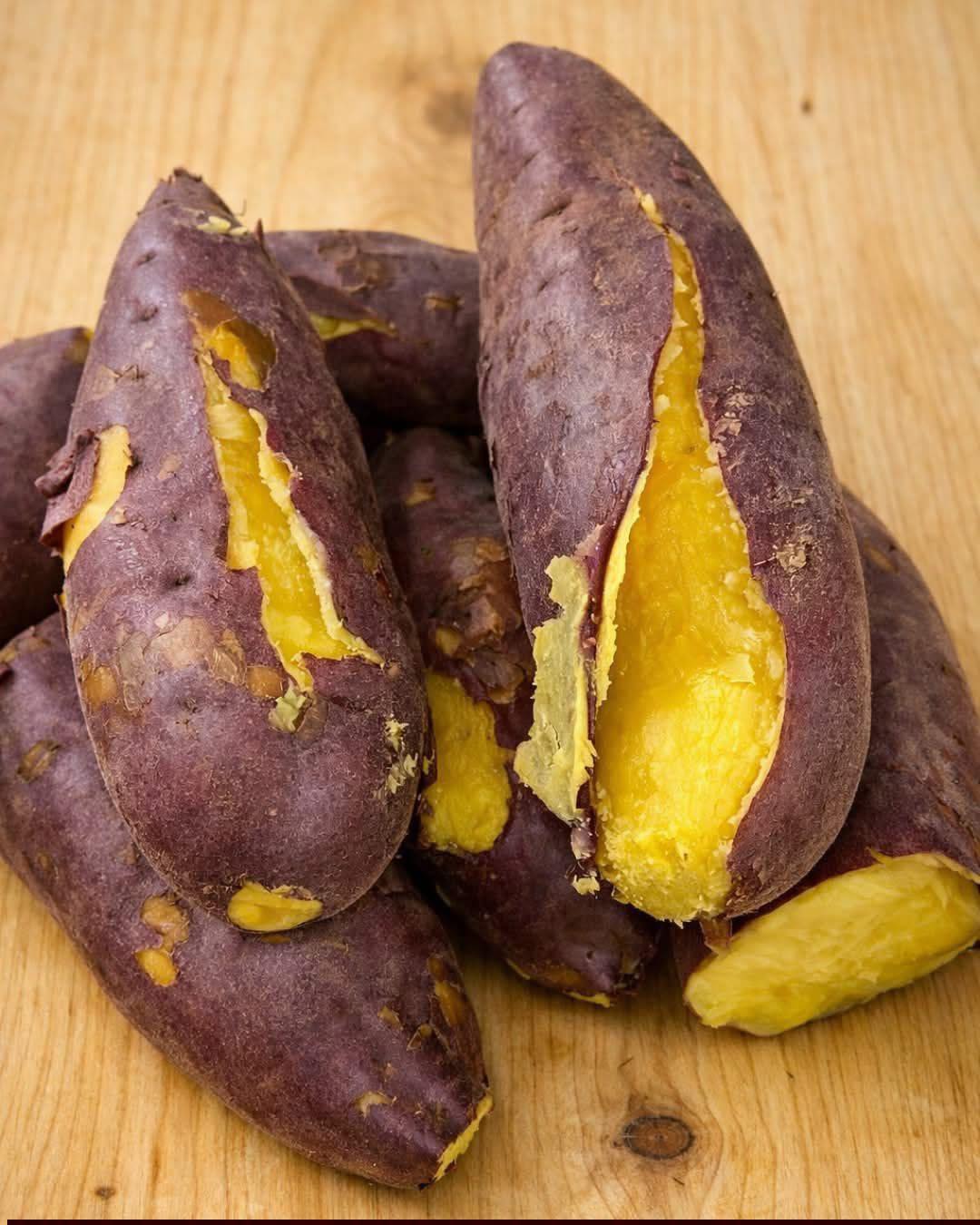
1️⃣ Sweet Potatoes vs. Yams — They’re Not the Same
Many supermarkets label orange sweet potatoes as “yams,” but true yams are different.
-
True yams: starchier, drier, and less sweet
-
Sweet potatoes: softer, sweeter, and rich in beta-carotene
Why it matters: their taste, cooking behavior, and impact on blood sugar can vary, so knowing which one you’re eating helps you make informed dietary choices.
2️⃣ Cooking Method Affects Blood Sugar Response
Sweet potatoes contain carbohydrates, and how you cook them influences how quickly they raise blood sugar:
-
Boiled or steamed: generally lower glycemic impact
-
Baked or roasted: higher glycemic response
-
Mashed: digests quickly and may spike blood sugar faster
If you’re managing diabetes or insulin resistance, pairing sweet potatoes with protein, healthy fats, and fiber can help balance blood sugar levels.
3️⃣ Very High in Beta-Carotene (Vitamin A Precursor)
Sweet potatoes are rich in beta-carotene, which the body converts into vitamin A — important for vision, immunity, and skin health.
Eating normal food amounts is generally safe. Extremely high intake over long periods may lead to temporary skin discoloration (carotenemia), but serious vitamin A toxicity from plant foods alone is rare. Moderation and dietary variety are still key.
