
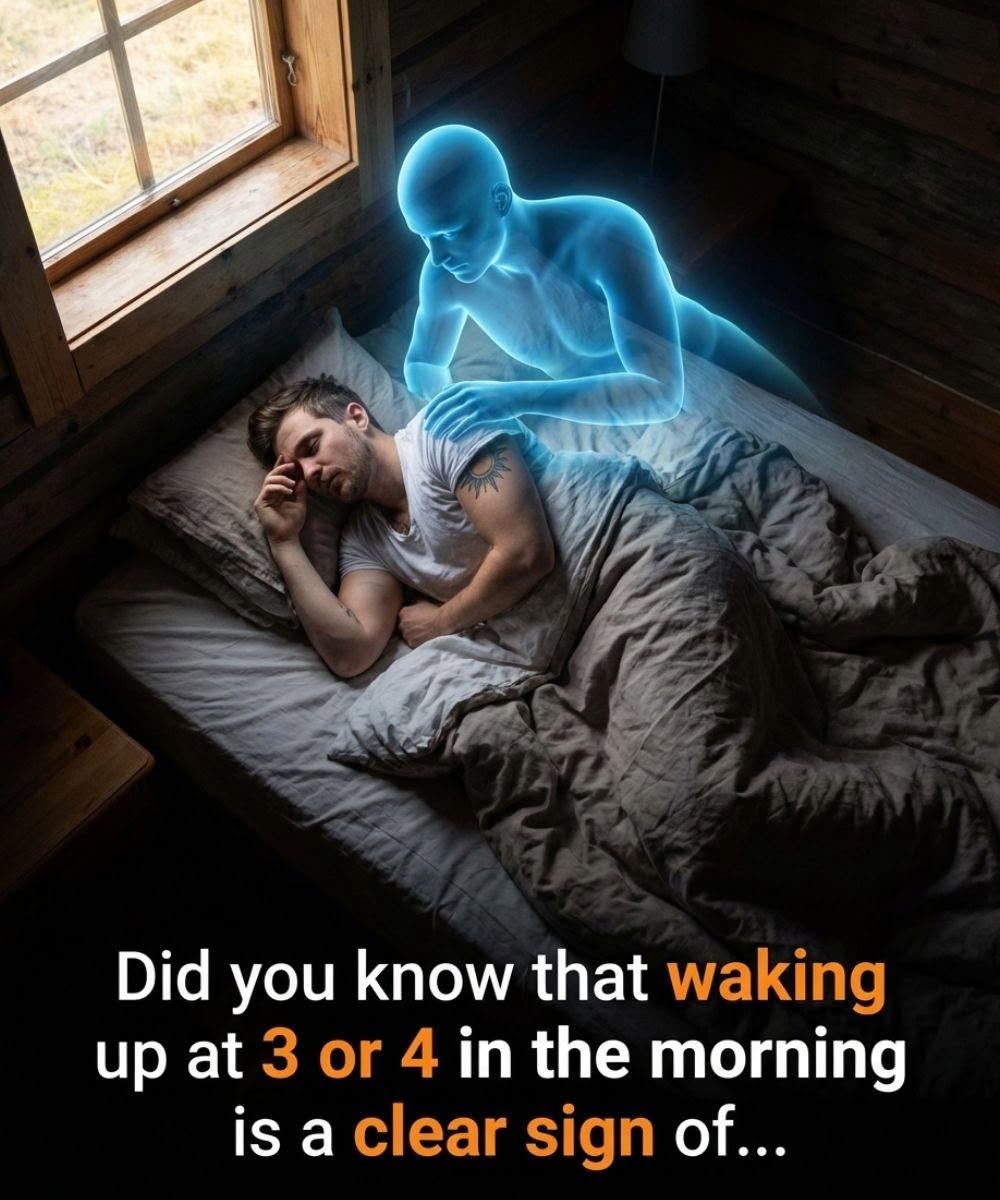
Hormones regulate sleep, and imbalances can affect nighttime rest.
This is common in:
Menopause
Thyroid disordersHealth
High cortisol levels
Pregnancy
For example, menopause often leads to night sweats and frequent awakenings due to fluctuating estrogen levels.
7. Depression and Emotional Health
Early morning waking is also associated with depression in some cases.
People may wake up too early and struggle to fall back asleep due to:
Negative thoughtsGeneral Reference
Emotional heaviness
Reduced serotonin levels
The American Psychiatric Association notes that sleep disturbances are a key symptom of mood disorders.
8. Alcohol or Substance Use
Alcohol may help you fall asleep faster, but it disrupts deep sleep later in the night.
This often leads to waking up around 3–4 a.m. when the body starts metabolizing alcohol.
What Your Body Is Trying to Tell You
Waking up at this time is not random—it can be your body’s way of signaling:Biological Sciences
You are under stress
Your sleep cycle is unstable
Your lifestyle needs adjustment
Your body is reacting to internal imbalance
But it is important not to jump to extreme conclusions. In most cases, it is fixable through lifestyle changes.
How to Stop Waking Up at 3–4 a.m.
1. Create a consistent sleep schedule
Go to bed and wake up at the same time every day—even on weekends.Sleep Disorders
2. Reduce screen exposure before bed
Avoid phones and laptops at least 1 hour before sleeping.
3. Manage stress before sleep
Try:
Deep breathing
Meditation
Light readingHealth
Journaling
4. Avoid caffeine and heavy meals at night
Caffeine can stay in your system for 6–8 hours.
5. Make your room sleep-friendly
Dark
Quiet
Cool temperatureLanguage Resources
6. Limit alcohol
Even small amounts can fragment sleep.
7. Exercise regularly
Regular physical activity improves deep sleep quality.
When You Should Be Concerned
You should consider speaking to a healthcare professional if:Anxiety & Stress
You wake up every night at the same time
You feel exhausted during the day
You snore loudly or gasp for air
You experience persistent anxiety or depression
Sleep problems last more than a few weeks
Final Thoughts
Waking up at 3 or 4 in the morning is usually not mysterious or supernatural—it is a biological and psychological signal.
In most cases, it reflects:Sleep Disorders
Stress levels
Sleep habits
Hormonal balance
Lifestyle factors
By understanding your sleep system and making small changes, you can often restore a more stable and refreshing sleep pattern.
