
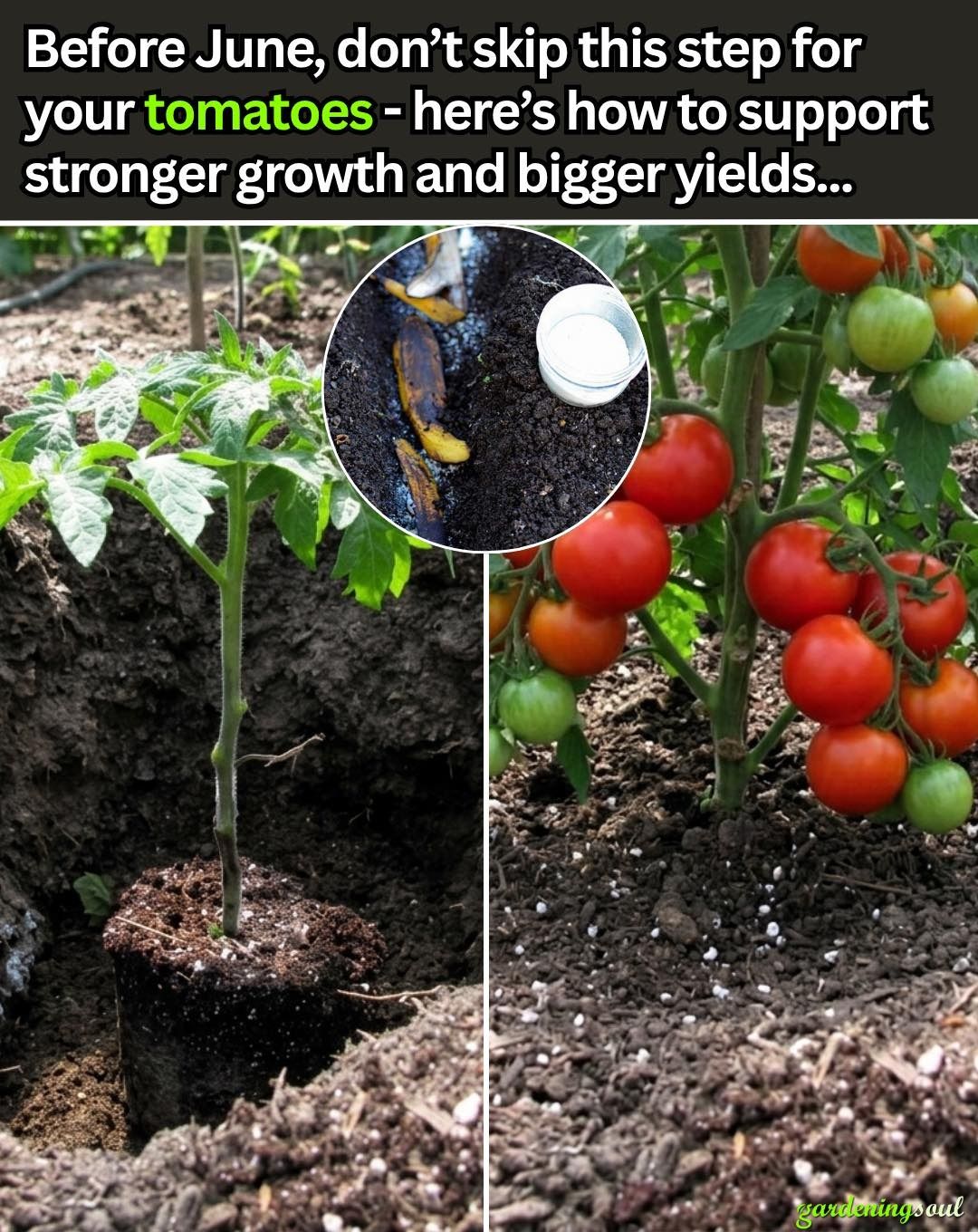
This not only prevents damage but also improves airflow around the plant. Good airflow reduces humidity around the leaves, which lowers the risk of fungal diseases.
It also improves light penetration, ensuring that more of the plant receives the sunlight it needs to grow efficiently.
A supported plant is a productive plant.
Guide Growth Instead of Letting It Become Chaotic
Tomato plants, especially indeterminate varieties, grow vigorously and produce many side shoots. If left unchecked, they can become dense and tangled.
Discover more
Fences
Shrubs & Bushes
Trees
This density creates problems. It blocks light, reduces airflow, and spreads the plant’s energy too thin.
Before June, light pruning helps shape the plant. Removing excess side shoots allows the plant to focus on developing strong main stems and preparing for fruit production.
This doesn’t mean stripping the plant. Leaves are essential for photosynthesis. The goal is balance – enough foliage to support growth, but not so much that it becomes overcrowded.
When growth is guided early, the plant remains organized and efficient throughout the season.
Create Stability with Mulch
As temperatures rise, the soil begins to lose moisture more quickly. Without protection, the surface dries out, and roots experience stress.
Discover more
Fences
fence
Shrubs & Bushes
Mulch acts as a protective layer that stabilizes conditions around the plant. It reduces evaporation, keeps soil temperatures more consistent, and prevents sudden fluctuations that can disrupt growth.Flora & Fauna
Another benefit is cleanliness. When it rains or when you water, soil can splash onto the lower leaves. This is one of the main ways diseases spread. Mulch creates a barrier that reduces this risk.
Over time, organic mulch also breaks down, improving the soil further. It’s a simple step with long-lasting benefits.
Feed the Plant Without Forcing It
Tomatoes need nutrients, but they respond best to balanced feeding.
Discover more
fence
Fences
Trees
Before June, the plant is still building its structure. It needs enough nitrogen to support leaf growth, but it also needs phosphorus and potassium to prepare for flowering.
If nitrogen is too high, the plant will produce large amounts of foliage but delay flowering. If nutrients are too low, growth will be slow and weak.
Feeding lightly and consistently allows the plant to grow steadily without becoming unbalanced. This steady growth is what leads to strong flowering and fruit development later.
Make Sure the Plant Gets Full Sunlight
Tomatoes are sun-driven plants. Their growth speed and fruit production depend directly on how much light they receive.
Discover more
Shrubs & Bushes
Trees
Fences
Before June, it’s important to make sure nothing is blocking sunlight. As nearby plants grow or as structures cast shadows, light conditions can change quickly.
A tomato plant that receives full sun develops thicker stems, stronger leaves, and more flowers. A plant in partial shade becomes stretched and weak, with fewer blooms.
Light is energy, and energy drives everything the plant does.
Prevent Stress Before It Starts
One of the biggest mistakes in tomato care is reacting too late.
Before June, small issues are easy to fix. A few yellowing leaves, minor pest activity, or slight overcrowding can be corrected quickly.
If ignored, these small problems grow into larger ones that are harder to manage.
Removing lower leaves that touch the soil, checking for early signs of pests, and maintaining cleanliness around the plant all help prevent bigger issues.Flora & Fauna
Healthy plants are not just the result of good care – they are the result of early attention.
Prepare the Plant for Flowering and Fruit Set
As June approaches, your tomato plant begins to shift from growth to production.
At this point, the number of flowers it produces – and how many of those turn into fruit – depends on how well it was supported earlier.
A strong plant will produce more flower clusters. Those clusters will be better developed, and the plant will have enough energy to sustain them.
If the plant is stressed or underdeveloped, it may drop flowers or produce fewer fruits.
Everything you do before June builds toward this moment.
What You’ll Notice When You Get It Right
When tomatoes are properly cared for in late spring, the difference is clear.
The plant looks stronger. The stems are thicker, the leaves are fuller, and growth is steady rather than uneven.
When flowering begins, it happens in abundance. The plant doesn’t struggle to hold its blooms, and fruit begins forming more consistently.
Later in the season, this leads to:
Larger harvests
Better fruit quality
More consistent production
The plant works with you instead of against you.Flora & Fauna
Tomatoes don’t need complicated systems or constant intervention. They need a strong start.
Before June, your focus should be on building the foundation – healthy soil, deep roots, balanced growth, and stable conditions.
