
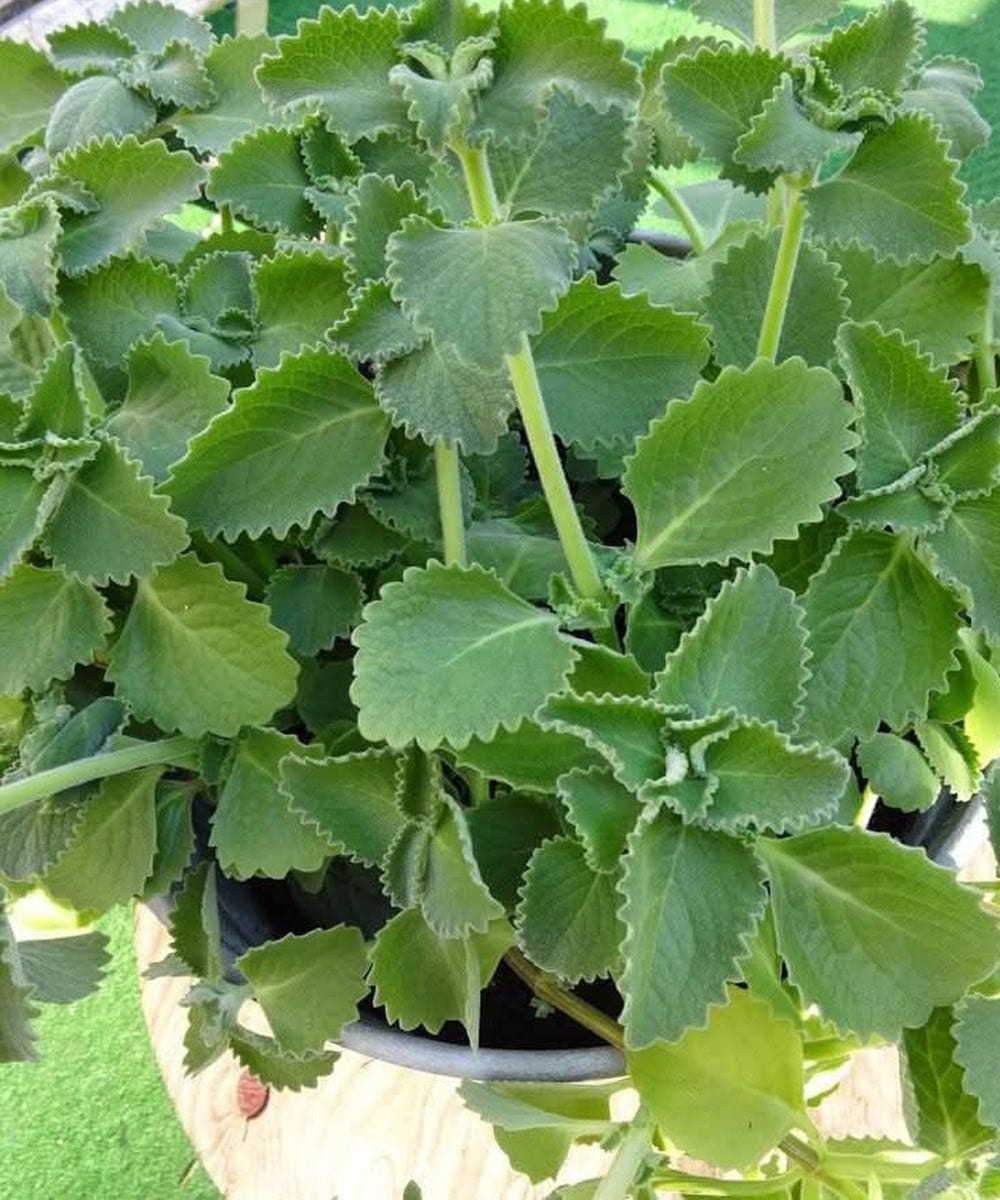
🌿 A Scientific Look at Oregano’s Role in Supporting Wellness

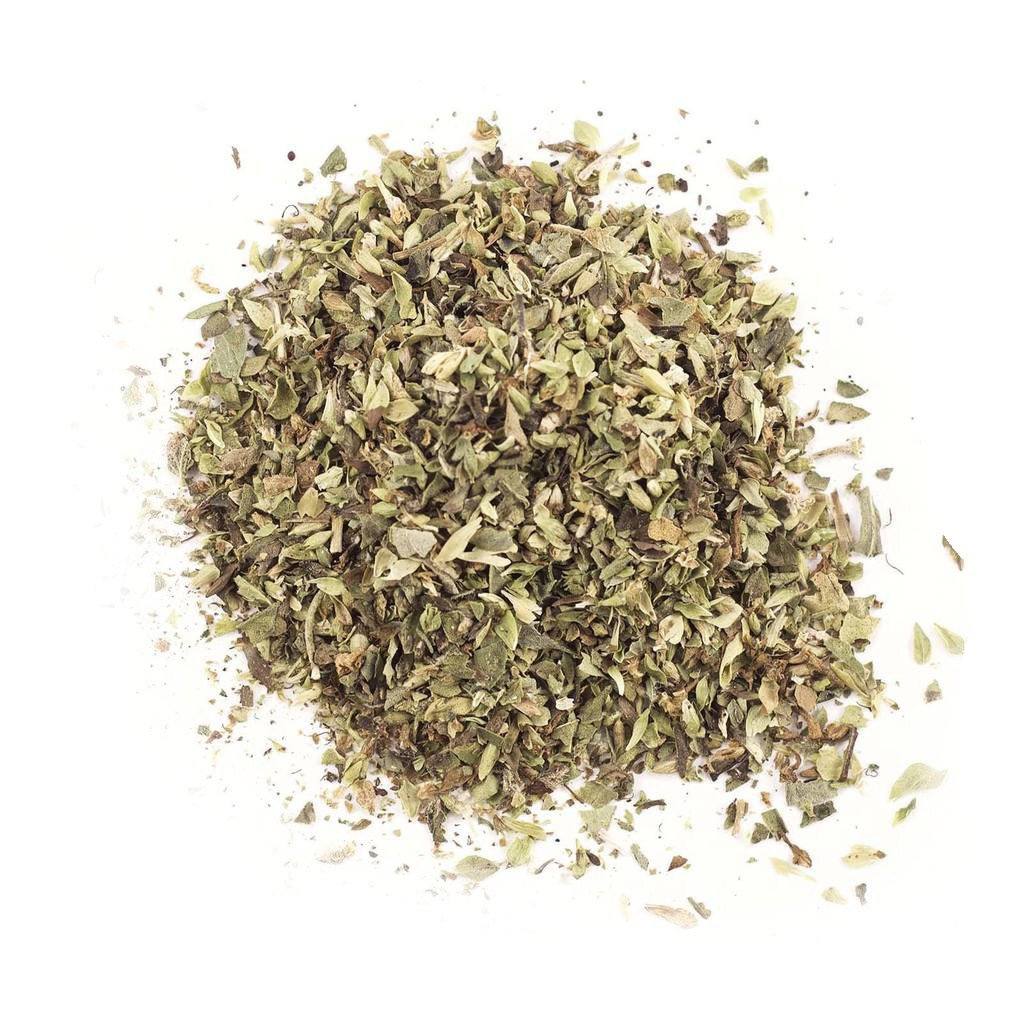
Oregano (Origanum vulgare) is widely used in cooking, but it has also attracted scientific interest due to its rich concentration of bioactive plant compounds.
Here’s what research actually suggests — without the hype.
🧪 Key Active Compounds
Oregano contains several studied phytochemicals:
-
Carvacrol – Known for antimicrobial and antioxidant properties
-
Thymol – Exhibits antimicrobial activity
-
Rosmarinic acid – A strong antioxidant
-
Flavonoids and terpenes – Support cellular defense mechanisms
These compounds are most concentrated in oregano essential oil, but are also present in dried and fresh leaves.
🦠 1. Antimicrobial Activity (Lab Evidence)
In laboratory (in vitro) studies, oregano extracts have shown activity against certain:
-
Bacteria
-
Fungi
-
Some viruses
However, lab results don’t automatically translate to the same effects in the human body. Clinical evidence in humans remains limited.
🔥 2. Antioxidant & Anti-Inflammatory Potential
Oregano is rich in antioxidants that help neutralize free radicals.
Some studies suggest its compounds may help regulate inflammatory pathways, though most data come from cell and animal studies.
Pages: 1 2
