
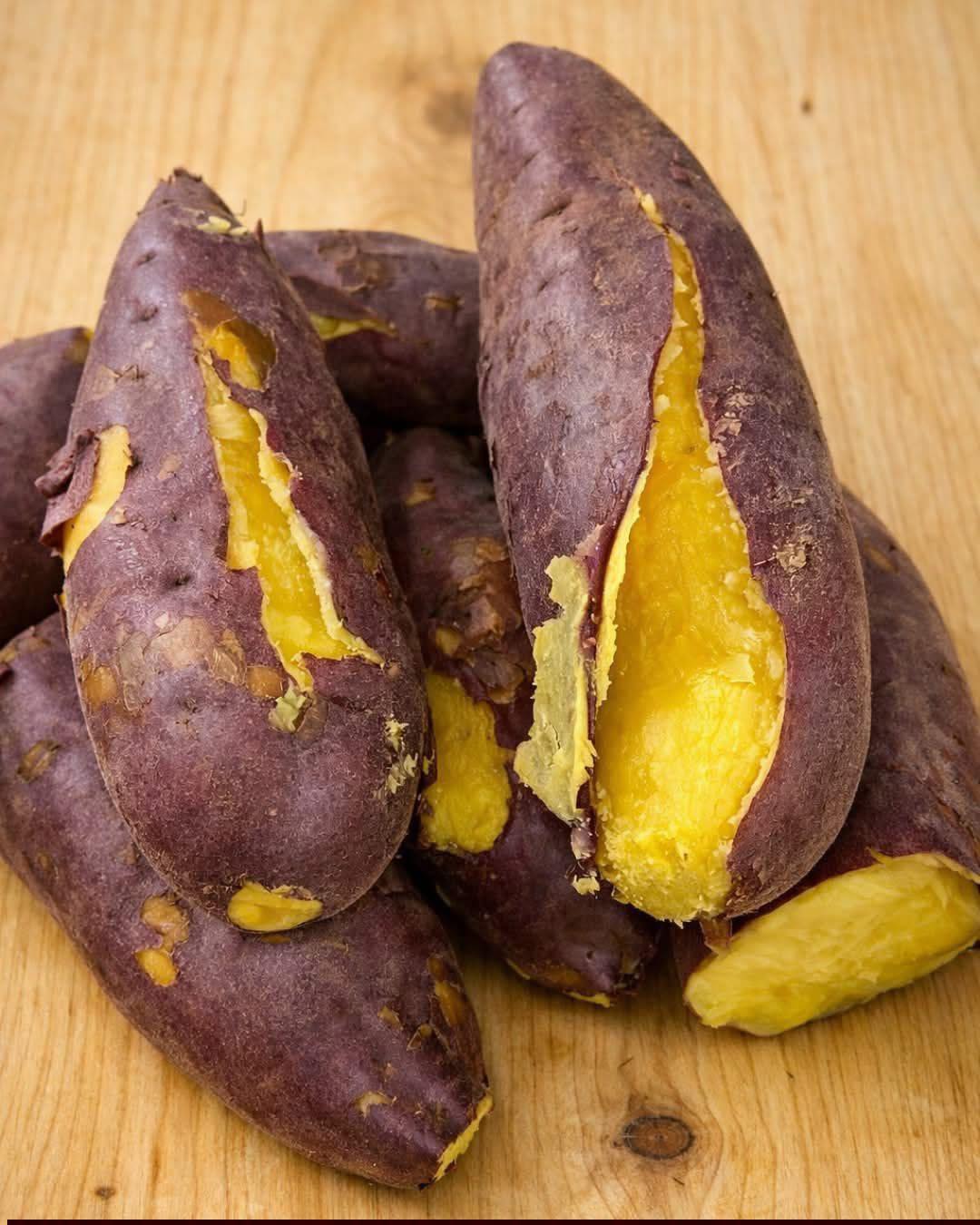
What Most People Don’t Realize Before Eating Them Daily Sweet potatoes are widely praised as a “superfood,” and for good reason — they’re nutritious, naturally sweet, and packed with vitamins and fiber. But like any food, they’re not perfect for everyone in every situation. Factors like portion size, cooking method, and personal health conditions can change how your body responds to them. Here are some important facts that help you make smarter choices. 1️⃣ Sweet Potatoes vs. Yams — They’re Not the Same Many supermarkets label orange sweet potatoes as “yams,” but true yams are different. True yams: starchier, drier, and less sweet Sweet potatoes: softer, sweeter, and rich in beta-carotene Why it matters: their taste, cooking behavior, and impact on blood sugar can vary, so knowing which one you’re eating helps you make informed dietary choices. 2️⃣ Cooking Method Affects Blood Sugar Response Sweet potatoes contain carbohydrates, and how you cook them influences how quickly they raise blood sugar: Boiled or steamed: generally lower glycemic impact Baked or roasted: higher glycemic response Mashed: digests quickly and may spike blood sugar faster If you’re managing diabetes or insulin resistance, pairing sweet potatoes with protein, healthy fats, and fiber can help balance blood sugar levels. 3️⃣ Very High in Beta-Carotene (Vitamin A Precursor) Sweet potatoes are rich in beta-carotene, which the body converts into vitamin A — important for vision, immunity, and skin health. Eating normal food amounts is generally safe. Extremely high intake over long periods may lead to temporary skin discoloration (carotenemia), but serious vitamin A toxicity from plant foods alone is rare. Moderation and dietary variety are still key. Small Daily Habits That Help Keep Your Uterus Healthy and “Clean” Small Daily Habits That Help Keep Your Uterus Healthy and “Clean” 4️⃣ Helpful — But Not Automatically Weight-Loss Friendly A medium sweet potato contains roughly: 100–120 calories About 20–25 grams of carbohydrates They’re nutritious carbs, but portion size matters — especially if you’re following low-carb, keto, or calorie-restricted diets. Like any carbohydrate source, eating large amounts daily may slow weight-loss progress for some people. 5️⃣ Digestive Sensitivity in Some People Sweet potatoes contain fiber and resistant starch, which support gut health for many people. However, individuals with sensitive digestion may occasionally experience: bloating gas mild discomfort Cooking them well and starting with smaller portions often improves tolerance. 6️⃣ The Skin: Nutritious but Needs Proper Cleaning The skin contains fiber and antioxidants, but it can also hold: dirt bacteria pesticide residue (if not organic) Wash thoroughly and scrub well before cooking. Peeling may be preferable if produce quality is uncertain. Discover the Secret Superfood: Unleash the Astonishing Power of Papaya Seeds for Vibrant Health! Discover the Secret Superfood: Unleash the Astonishing Power of Papaya Seeds for Vibrant Health! 7️⃣ Thyroid Considerations — Usually Not a Major Issue Unlike some cruciferous vegetables, sweet potatoes are not a significant source of thyroid-affecting compounds. However, individuals with thyroid disorders should always maintain balanced iodine intake and consult healthcare professionals regarding their overall diet. 8️⃣ Possible Headache Triggers for Sensitive Individuals Some people notice certain foods can trigger headaches or migraines. While sweet potatoes are not a common trigger for most individuals, anyone with known food sensitivities should monitor how their body responds. 9️⃣ Oxalates and Kidney Stone Risk Sweet potatoes contain oxalates, natural compounds that may contribute to kidney stones in people who are already prone to them. If you have a history of calcium oxalate stones: moderate portion sizes stay well hydrated discuss diet with a healthcare provider 🔟 Naturally High in Potassium Potassium supports: heart rhythm muscle function healthy blood pressure Most people benefit from potassium-rich foods. However, individuals with kidney disease or certain medical conditions may need to monitor intake carefully. 1️⃣1️⃣ Storage Changes Flavor and Sugar Content As sweet potatoes age in storage, some starch converts into sugar. That means older potatoes may taste sweeter and may have a slightly higher glycemic effect compared to fresh ones. 1️⃣2️⃣ Different Varieties Offer Different Benefits Not all sweet potatoes are the same: Orange: high in beta-carotene Lemon and Nopal Juice: The Zesty Secret to Vibrant Health Lemon and Nopal Juice: The Zesty Secret to Vibrant Health Purple: rich in anthocyanins (antioxidants) White: milder flavor and sometimes lower glycemic impact Rotating varieties can add nutritional diversity to your diet. 1️⃣3️⃣ Healthy — But Not a Daily Staple for Everyone Sweet potatoes are: ✔ nutritious ✔ fiber-rich ✔ naturally sweet and satisfying But ideal intake depends on: metabolism activity level digestive health medical conditions overall diet balance For some people they’re perfect regularly; for others, moderation works better. 🌿 The Bottom Line Sweet potatoes aren’t bad — and they’re certainly not magical either. They’re simply a healthy carbohydrate source that works well when eaten mindfully, prepared properly, and balanced with other foods. The smartest approach isn’t to avoid them — it’s to understand how they fit into your unique lifestyle and health needs.

What Most People Don’t Realize Before Eating Them Daily

Sweet potatoes are widely praised as a “superfood,” and for good reason — they’re nutritious, naturally sweet, and packed with vitamins and fiber. But like any food, they’re not perfect for everyone in every situation. Factors like portion size, cooking method, and personal health conditions can change how your body responds to them.

Here are some important facts that help you make smarter choices.

Leave a Comment