
4️⃣ Helpful — But Not Automatically Weight-Loss Friendly
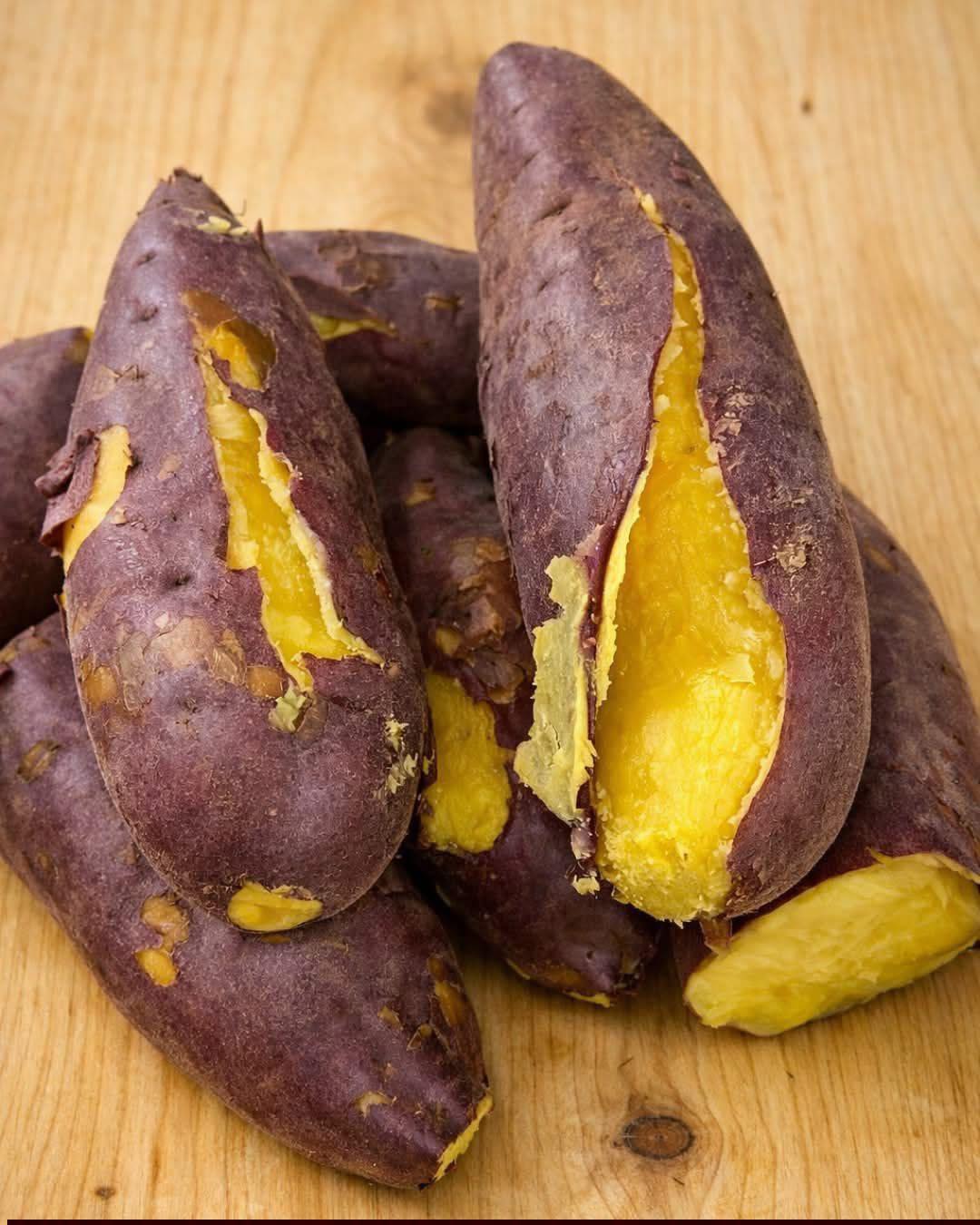
A medium sweet potato contains roughly:
-
100–120 calories
-
About 20–25 grams of carbohydrates
They’re nutritious carbs, but portion size matters — especially if you’re following low-carb, keto, or calorie-restricted diets. Like any carbohydrate source, eating large amounts daily may slow weight-loss progress for some people.
5️⃣ Digestive Sensitivity in Some People
Sweet potatoes contain fiber and resistant starch, which support gut health for many people. However, individuals with sensitive digestion may occasionally experience:
-
bloating
-
gas
-
mild discomfort
Cooking them well and starting with smaller portions often improves tolerance.
6️⃣ The Skin: Nutritious but Needs Proper Cleaning
The skin contains fiber and antioxidants, but it can also hold:
-
dirt
-
bacteria
-
pesticide residue (if not organic)
Wash thoroughly and scrub well before cooking. Peeling may be preferable if produce quality is uncertain.
7️⃣ Thyroid Considerations — Usually Not a Major Issue
Unlike some cruciferous vegetables, sweet potatoes are not a significant source of thyroid-affecting compounds. However, individuals with thyroid disorders should always maintain balanced iodine intake and consult healthcare professionals regarding their overall diet.
8️⃣ Possible Headache Triggers for Sensitive Individuals
Some people notice certain foods can trigger headaches or migraines. While sweet potatoes are not a common trigger for most individuals, anyone with known food sensitivities should monitor how their body responds.
9️⃣ Oxalates and Kidney Stone Risk
Sweet potatoes contain oxalates, natural compounds that may contribute to kidney stones in people who are already prone to them. If you have a history of calcium oxalate stones:
-
moderate portion sizes
-
stay well hydrated
-
discuss diet with a healthcare provider
🔟 Naturally High in Potassium
Potassium supports:
-
heart rhythm
-
muscle function
-
healthy blood pressure
Most people benefit from potassium-rich foods. However, individuals with kidney disease or certain medical conditions may need to monitor intake carefully.
