
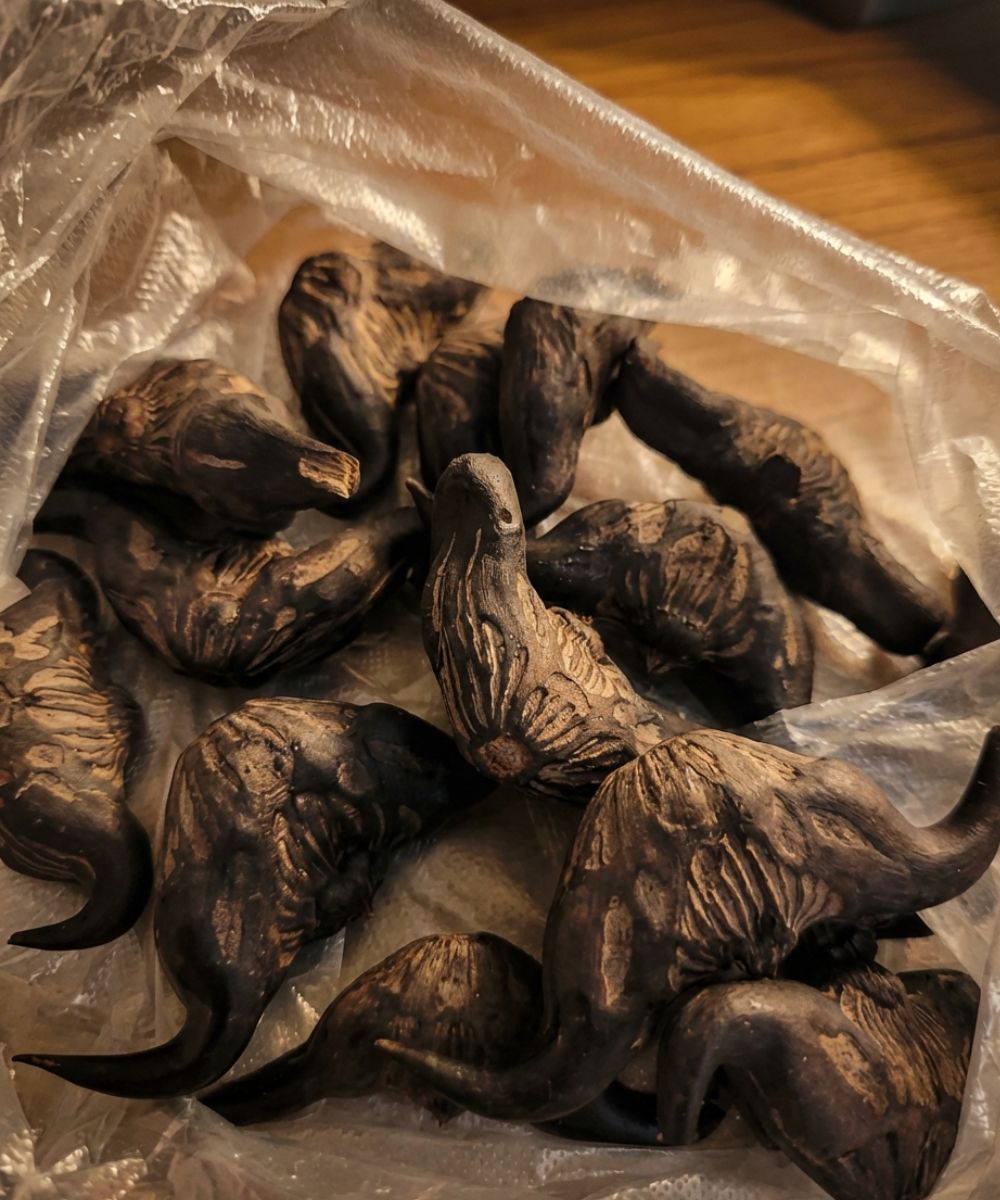
If you’re told the root must be soaked for days, boiled multiple times, discarded water repeatedly, or mixed with ash, lime, or salt to “remove toxins,” that is a serious warning sign.
While some roots can be detoxified through careful preparation, one small mistake—shorter soaking time, wrong temperature, or improper slicing—can leave enough toxins to cause:
- Vomiting and diarrhea
- Nerve damage
- Liver or kidney stress
- Modern medicine sees many poisoning cases caused by “almost correct” preparation.
4. It Has a Bitter, Sharp, or Numbing Taste
Your body has built-in warning systems.
If a wild root tastes extremely bitter, causes tingling, numbness, or a sharp sensation on the tongue, do not continue eating it—even if someone tells you “that’s normal.”
These sensations often indicate:
- Alkaloids or glycosides
- Natural defense chemicals meant to deter animals
- Neurotoxic compounds
- Masking the taste with cooking or spices does not make it safe.
5. You Belong to a High-Risk Group
Even roots considered “safe” for some people can be dangerous for others. You should never eat wild forest roots if you are:
- Pregnant or breastfeeding
- A child or elderly person
- Living with liver, kidney, or digestive disease
- Taking long-term medication
Traditional remedies are not standardized. Dosage varies wildly, and what one person tolerates may seriously harm another.
