
3. Marigolds: The Classic Nematode and Beetle Bouncer
Marigolds have long been a staple in companion planting due to their ability to repel a variety of garden pests. These vibrant flowers produce a substance called alpha-terthienyl, which is toxic to nematodes, microscopic worms that can attack tomato roots. By planting marigolds around the perimeter of your tomato bed, you create a barrier that keeps nematodes at bay.
In addition to nematodes, marigolds are also effective at deterring beetles and other insect pests. Their strong scent confuses and repels these insects, making it harder for them to locate your tomato plants. Plant marigolds approximately 6-12 inches apart to ensure they have enough space to grow and maintain optimal pest-repelling properties.
4. Nasturtiums: Sacrificial Traps That Lure Aphids Away
Nasturtiums are a popular choice for gardeners looking to protect their tomatoes through sacrificial means. These colorful flowers act as a trap crop, luring aphids and other pests away from your tomatoes. The pests are drawn to the nasturtiums, which they find more appealing, allowing your tomatoes to thrive without the threat of infestation.
In addition to their pest-attracting properties, nasturtiums are also edible and add a peppery flavor to salads and dishes. Plant them around the edges of your tomato garden or intersperse them between tomato plants to maximize their effectiveness. Nasturtiums are easy to grow and require little maintenance, making them an excellent addition to any garden.
5. Garlic: Pungent Protection From Mites and Borers
Garlic offers powerful pest-repelling properties that make it an ideal companion plant for tomatoes. Its strong scent deters a wide range of pests, including spider mites and borers, which can cause severe damage to tomato plants. Plant garlic cloves around the base of your tomato plants, spacing them about 4-6 inches apart for optimal protection.
Beyond its pest-repelling abilities, garlic also improves soil health by releasing sulfur compounds that act as a natural fungicide. This can help prevent soil-borne diseases that might otherwise affect your tomato plants. The dual benefits of pest control and disease prevention make garlic an invaluable ally in the garden.
6. Chives: Subtle Allium Defense Against Thrips and Aphids
Chives, another member of the allium family, provide a subtle yet effective defense against thrips and aphids. The mild onion-like aroma of chives deters these pests, helping to keep your tomato plants pest-free. Plant chives around the borders of your tomato garden or in clumps spaced about 8-12 inches apart to create a natural barrier.
Chives are perennials, meaning they will return year after year, offering ongoing protection for your tomatoes. They also produce lovely purple flowers that attract pollinators, further enhancing the biodiversity and resilience of your garden ecosystem.
7. Calendula: Sticky Petals That Snag and Distract Pests
Calendula, also known as pot marigold, is a valuable companion plant for tomatoes due to its ability to attract and trap pests. The sticky petals of calendula flowers can ensnare small insects, preventing them from reaching your tomato plants. Additionally, calendula attracts beneficial insects like hoverflies, which prey on aphids and other pests.
To maximize the benefits of calendula, plant it in clusters around your tomato garden. The bright flowers will not only add a splash of color to your garden but also serve as a natural pest control measure. Calendula is easy to grow and can thrive in a variety of soil conditions, making it a versatile addition to any garden.
8. Borage: Pollinator Magnet That Confuses Tomato Hornworms
Borage is a versatile herb that offers numerous benefits as a companion plant for tomatoes. Its star-shaped blue flowers are highly attractive to pollinators, such as bees and butterflies, which can improve the pollination of your garden as a whole. More importantly, borage emits a scent that confuses tomato hornworms, reducing their ability to locate your tomato plants.
Plant borage near your tomato plants, spacing them about 12 inches apart to allow for their large size. As a bonus, borage is edible and can be used in salads or as a garnish, providing yet another reason to include this beneficial herb in your garden.
9. Parsley: Lacewing and Ladybug Attractor for Natural Pest Control
Parsley is not only a popular culinary herb but also an effective companion plant for tomatoes. It attracts beneficial insects like lacewings and ladybugs, which are natural predators of common tomato pests such as aphids and whiteflies. By encouraging these beneficial insects to take up residence in your garden, you can naturally control pest populations.
Plant parsley around your tomato plants or in between rows to create a habitat for these helpful insects. Parsley is a biennial, meaning it will grow for two years before needing to be replanted, providing long-term pest control benefits.
10. Catnip: Potent Repellent for Flea Beetles and Other Chewers
Catnip is well-known for its effects on cats, but it also serves as a potent repellent for flea beetles and other chewing pests. The strong aroma of catnip deters these pests from approaching your tomato plants, providing a natural line of defense. Plant catnip around the borders of your tomato garden or in pots nearby to maximize its effectiveness.
In addition to its pest-repelling properties, catnip attracts pollinators and beneficial insects, further boosting your garden’s resilience. Be cautious when planting catnip, as it can spread aggressively if left unchecked. Regular pruning can help manage its growth and keep it from overtaking your garden.
11. Mint: Strong-Scented Barrier Against Ants and Aphids
Mint is another aromatic herb that offers excellent pest-repelling capabilities. Its strong scent confuses and deters ants and aphids, two common pests that can wreak havoc on tomato plants. Plant mint around your tomato garden, but be sure to contain it in pots or raised beds, as it can spread rapidly and become invasive.
Aside from its pest-repelling properties, mint is a versatile herb that can be used in a variety of culinary dishes and beverages. Its presence in the garden also attracts pollinators, contributing to a healthy and diverse garden ecosystem.
12. Cilantro: Umbel Blooms That Recruit Tiny Predator Wasps
Cilantro, also known as coriander, is a dual-purpose herb that not only enhances the flavor of your dishes but also serves as a valuable companion plant for tomatoes. The umbel blooms of cilantro attract tiny predatory wasps, which prey on tomato hornworms and other pests, providing natural pest control.
Plant cilantro near your tomato plants, allowing enough space for it to grow and flower. As an added benefit, cilantro can help improve the flavor of tomatoes when grown in close proximity. Its dual role as a culinary herb and pest repellent makes cilantro a smart choice for any tomato garden.
13. Onion: Border Plant That Deters Mites and Sucking Insects
Onions are a practical choice for companion planting with tomatoes due to their ability to deter mites and sucking insects. The pungent aroma of onions confuses these pests, reducing the likelihood of infestations. Plant onions along the borders of your tomato garden or intersperse them between tomato plants to create a natural barrier.
Onions are relatively easy to grow and can be harvested throughout the growing season, providing both culinary benefits and pest control. Their presence in the garden also helps improve soil health, as onions release compounds that inhibit the growth of harmful fungi.
14. Dill: Dual-Purpose Herb That Draws Predators and Distracts Pests
Dill is an excellent companion plant for tomatoes due to its ability to attract beneficial insects and distract pests. The feathery foliage and yellow flowers of dill attract predatory insects like parasitic wasps and ladybugs, which help control aphids and other pests. Additionally, dill’s strong scent can confuse and deter pests such as cabbage loopers and spider mites.
Plant dill near your tomato plants, allowing enough space for it to grow tall and wide. Dill is a self-seeding annual, meaning it will return year after year if allowed to go to seed. This makes it a valuable addition to any garden, providing ongoing pest control and culinary benefits.
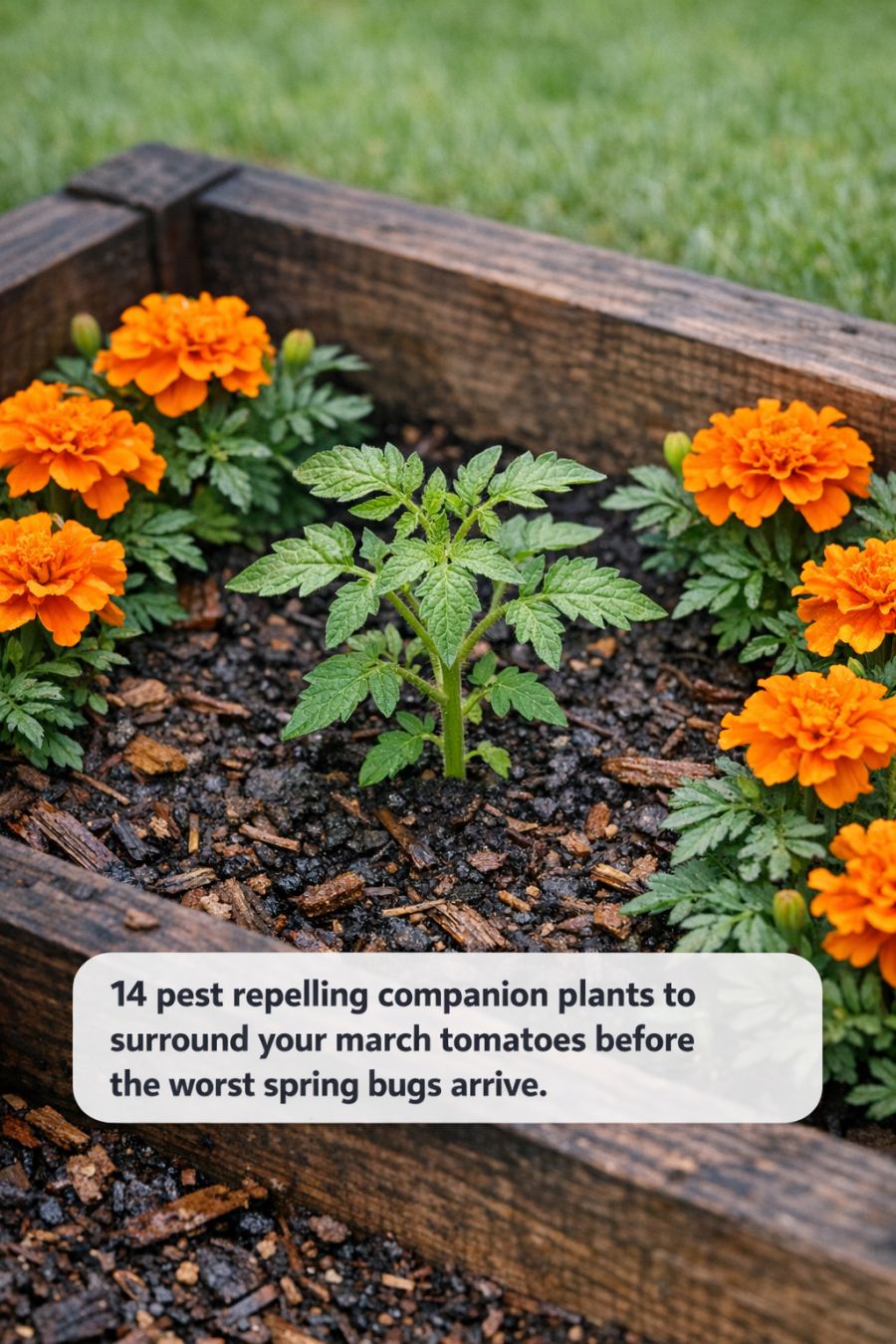
14 pest repelling companion plants to surround your march tomatoes before the worst spring bugs arrive.
Pages: 1 2
