
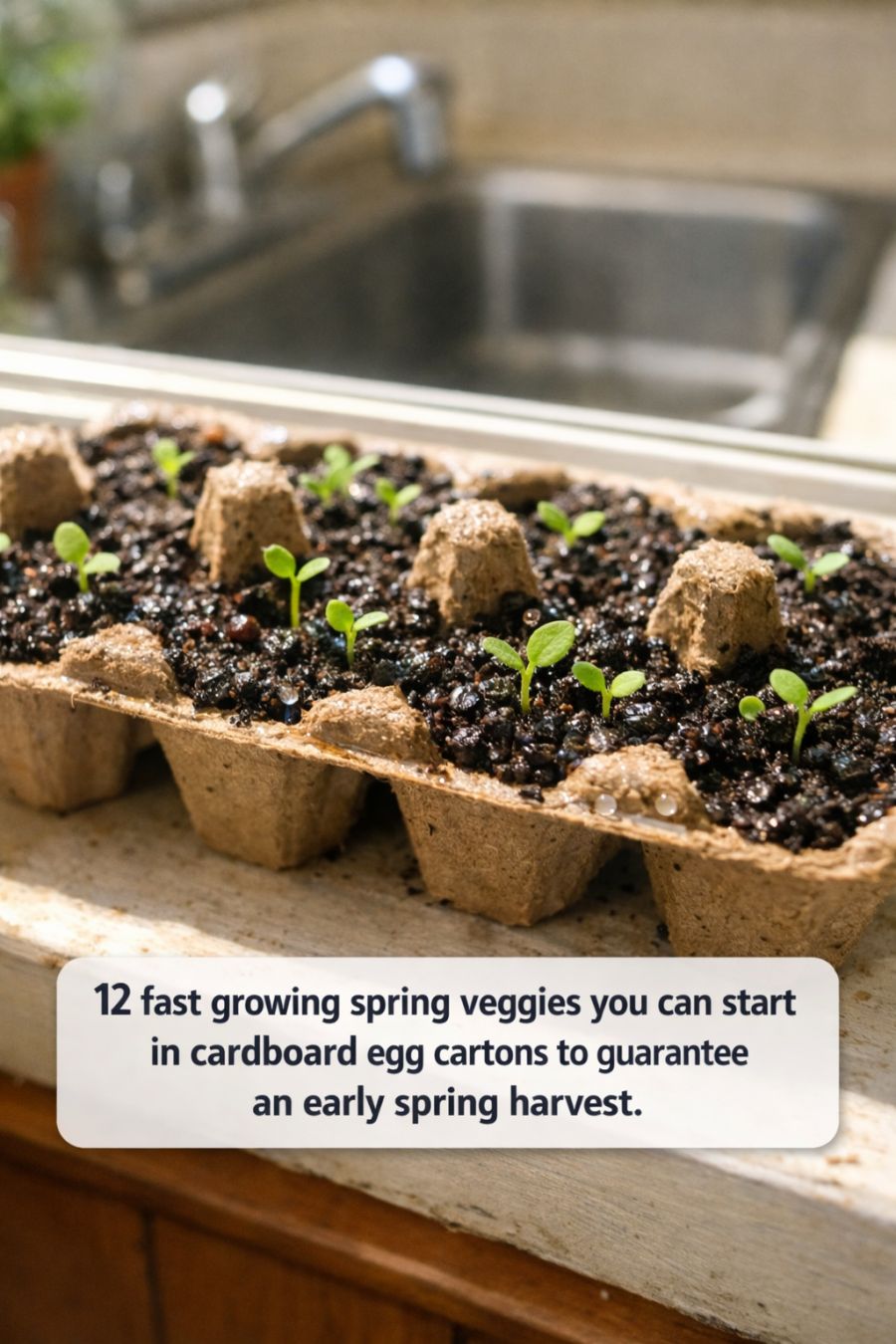
Spring is a season of renewal and growth, and for gardening enthusiasts, it’s the perfect time to start planning for a bountiful harvest. While traditional gardening often requires ample space and resources, there are innovative and sustainable methods to kickstart your spring garden right from your kitchen. One such method is using cardboard egg cartons as mini greenhouses for growing vegetables.Packaging
Cardboard egg cartons are not only eco-friendly but also incredibly versatile. They provide an ideal environment for seeds to germinate and grow into healthy seedlings. By starting your vegetables in egg cartons indoors, you can extend your growing season and ensure a head start on harvesting fresh produce. In this article, we’ll explore 12 fast-growing spring veggies that you can start in cardboard egg cartons to guarantee an early spring harvest.
Discover more
greenhouse
Produce
eggs
1. Why Cardboard Egg Cartons Are Perfect Mini Spring Greenhouses
Cardboard egg cartons offer several advantages for starting seeds. Firstly, they are biodegradable, which means you can plant them directly into the ground once the seedlings are ready for transplanting. This reduces transplant shock and minimizes waste.
Additionally, egg cartons are designed to hold eggs securely, making them sturdy enough to support soil and growing seedlings. The individual compartments provide perfect spacing for each seed, allowing them to grow without overcrowding. The porous nature of cardboard also allows for excellent drainage and aeration, which are crucial for healthy root development.Packaging
2. How To Prep Egg Cartons So Seeds Don’t Mold Or Dry Out
To prepare egg cartons for planting, you’ll need to take a few simple steps to ensure the best results. First, cut off the lid of the carton and place it underneath the base to catch any excess water. This will prevent your seeds from sitting in water and potentially developing mold.
Next, fill each compartment with a lightweight seed-starting mix, which provides the right balance of moisture retention and drainage. Moisten the soil before planting your seeds, ensuring it’s damp but not waterlogged. After planting, cover the top with a plastic wrap or a clear plastic dome to create a greenhouse effect that retains moisture and warmth.
Finally, place the egg carton in a warm, sunny location, such as a windowsill, and keep the soil consistently moist. Monitor for signs of mold, and ensure proper ventilation by removing the plastic cover once the seeds have germinated.
3. Radishes: The Fastest Crunchy Harvest For Impatient Gardeners
Radishes are one of the quickest vegetables to grow, making them an excellent choice for impatient gardeners. They can germinate in as little as three to five days and be ready to harvest in just four weeks. Start by planting one or two seeds per egg compartment, as radishes require space to develop their roots.
Radishes prefer cool weather, so starting them in early spring in egg cartons indoors can give you a jumpstart on the season. Once the seedlings have two true leaves and the weather outside has warmed, you can transplant them directly into your garden.Food Production
Discover more
Greenhouses
Food Production
Gardening
4. Leafy Lettuce Mixes: Cut-And-Come-Again Greens In Weeks
Leafy lettuce mixes are perfect for egg carton planting, as they germinate quickly and can be harvested multiple times. Choose a mix of your favorite lettuce varieties and plant a few seeds in each compartment.
Lettuce thrives in cool temperatures, so starting them indoors in egg cartons can help you get an early start. Within three to four weeks, you can begin harvesting the outer leaves and enjoy fresh salads straight from your spring garden.
5. Spinach: Cold-Hardy Powerhouse For Early Salads
Spinach is a nutrient-rich vegetable that loves the cool temperatures of spring. Sow a couple of seeds in each egg carton cell and keep the soil consistently moist.Fruits & Vegetables
Spinach seedlings will be ready to transplant outdoors in about four to six weeks. Because spinach can withstand light frosts, you can plant them outside earlier in the season, ensuring a continuous supply of fresh greens for your salads and smoothies.
6. Arugula: Peppery Baby Greens That Thrive In Cool Weather
