
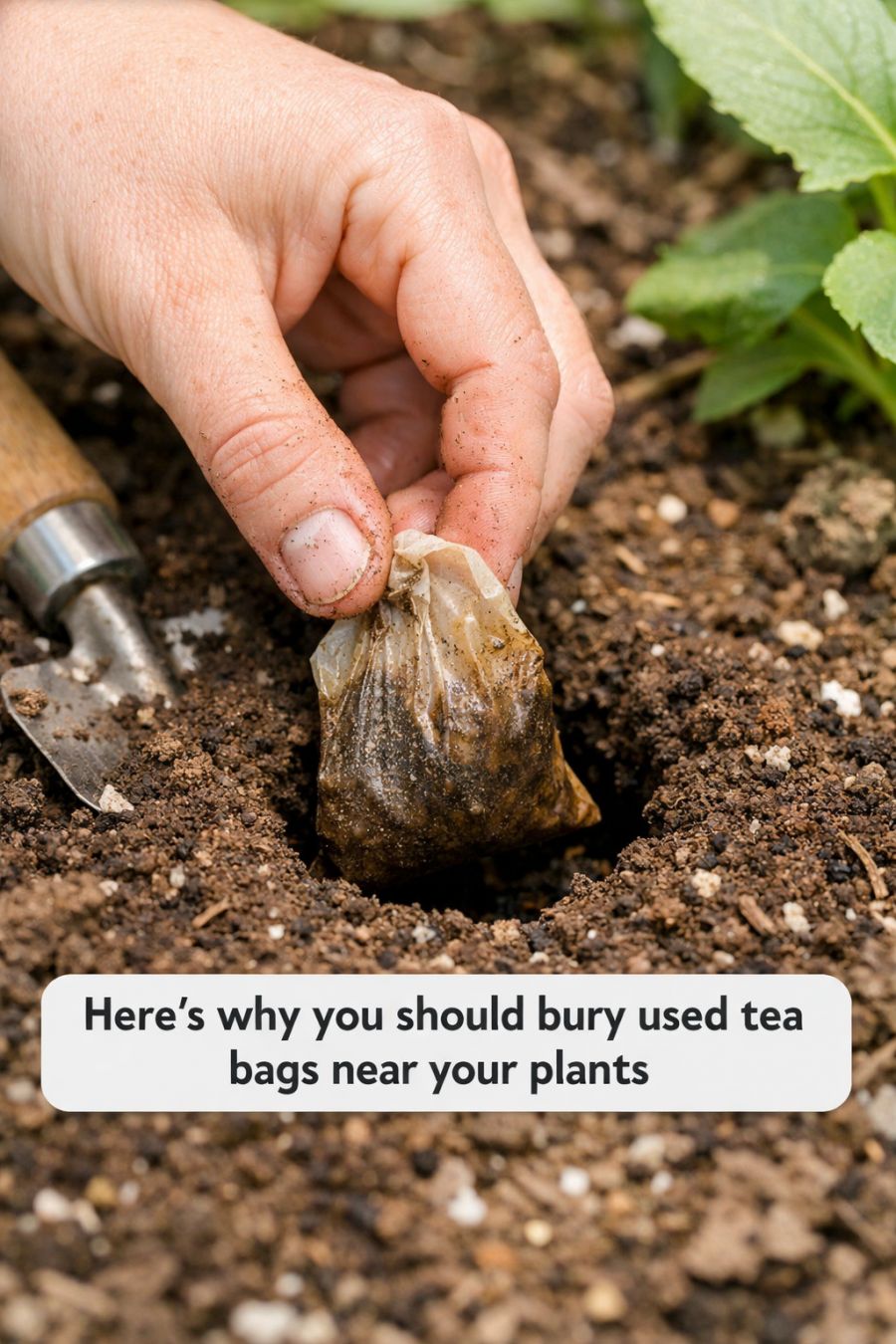
In the realm of sustainable gardening, recycling kitchen waste is a practice that has taken root among eco-conscious gardeners. One often overlooked item that holds surprising benefits for plants is the humble used tea bag. While many people simply discard them, burying tea bags near your plants can offer a range of advantages for your garden.
Tea bags, once brewed, still contain a wealth of nutrients and organic matter that can enrich your soil and support plant health. By learning how to effectively use tea bags as a natural amendment, you can contribute to a more sustainable gardening practice and enhance the vitality of your garden ecosystem.
1. Turning Kitchen Waste Into Plant Food: The Simple Tea Bag Trick
Used tea bags are a fantastic source of organic matter that can be directly added to your garden soil. The leaves within the tea bag still contain nitrogen, a crucial nutrient that plants need for growth. By burying tea bags, you can gradually release these nutrients into the soil, effectively turning waste into plant food. For instance, burying one or two tea bags around the base of a plant can provide a slow-release source of nitrogen over time.
Additionally, the tea leaves can improve soil aeration and drainage. As they decompose, they create small pockets within the soil structure, helping to prevent compaction and promote root health.
2. How Used Tea Bags Gently Improve Your Soil Structure
The fibrous nature of tea leaves contributes to improving soil structure by enhancing its texture. When buried, tea bags break down and integrate into the soil, increasing its organic matter content. This is particularly beneficial for clay-heavy soils, which can often become too dense for optimal plant growth. The addition of organic matter from tea bags can help to loosen the soil, allowing roots to penetrate more easily.
Moreover, organic matter from tea bags can increase the soil’s water retention capabilities, which is crucial for maintaining consistent moisture levels around plant roots. This improvement in soil structure supports a healthier growing environment for your plants.
3. Slow-Release Nutrients: What Plants Actually Get From Old Tea
Tea leaves contain several nutrients essential to plant growth, including nitrogen, potassium, and phosphorus. When buried, the decomposition process of tea bags releases these nutrients slowly into the soil, providing a consistent supply to the plants. This slow-release mechanism is beneficial because it reduces the risk of nutrient leaching, which can occur when nutrients are applied in large amounts and wash away before plants can absorb them.
This method is ideal for plants that prefer a steady intake of nutrients rather than sudden spikes. Gardeners can bury tea bags at intervals during the growing season to maintain nutrient levels.
4. Boosting Beneficial Microbes Right Where Roots Need Them
Tea bags not only enrich the soil with nutrients but also foster an environment conducive to beneficial microbial activity. Microorganisms play a vital role in breaking down organic matter and making nutrients available to plants. The organic components of tea bags provide food for these microbes, encouraging their growth and proliferation.
By enhancing the microbial population in the rhizosphere—the soil region around plant roots—you can improve nutrient cycling and plant health. This symbiotic relationship supports plant resilience against diseases and environmental stresses.
5. Tea Bags as Natural Moisture Retainers in Dry Garden Beds
The cellulose fibers in tea bags act like small sponges, helping to retain moisture in the soil. This property is particularly useful in dry or drought-prone areas where maintaining consistent soil moisture is a challenge. By burying tea bags in the soil, you can create localized zones of moisture retention, reducing the frequency of watering needed.
When moisture levels in the soil decrease, the fibers in the tea bag can absorb and release water, providing a more stable moisture environment for plants. This can be especially beneficial for young seedlings or plants with shallow root systems.
Pages: 1 2
