
Scientific Fact – Nutrition + Food Chemistry: This is called “Raw Cashew with Testa.” The brown shell is scientifically called Testa, or “seed coat.” 1. Why are regular cashews white and these brown? The cashews we buy are always roasted and peeled. Its stages: Raw cashew: It is attached to the “cashew apple.” The seed has two shells: a hard outer shell containing a toxic oil (anacardic acid), and a thin, brown inner shell = this one in the picture. Processing: Factories burn the toxic outer shell and boil the seed to release the brown shell. White cashew: This is the one from which the brown shell has been removed by steam. Your cashew: Only the toxic outer shell has been removed, but the brown shell remains. 2. Is the brown shell healthy? Benefits + Drawbacks: Benefit: Scientific Reason: More Fiber: The shell contains insoluble fiber. As it aids digestion and promotes a feeling of fullness, it contains antioxidants, including tannins and polyphenols. These fight free radicals. It has a lower glycemic index, and the fiber slows down the absorption of sugar and fats, preventing a rapid spike in blood sugar. The problem, scientifically speaking, is that it has a bitter/astringent taste. The tannins give it that mouth-holding flavor. It’s not bad, but not everyone likes it. It can be difficult to digest for people with irritable bowel syndrome (IBS), as the coarse fiber can cause gas. The peel contains phytates, which bind to minerals like iron and zinc,
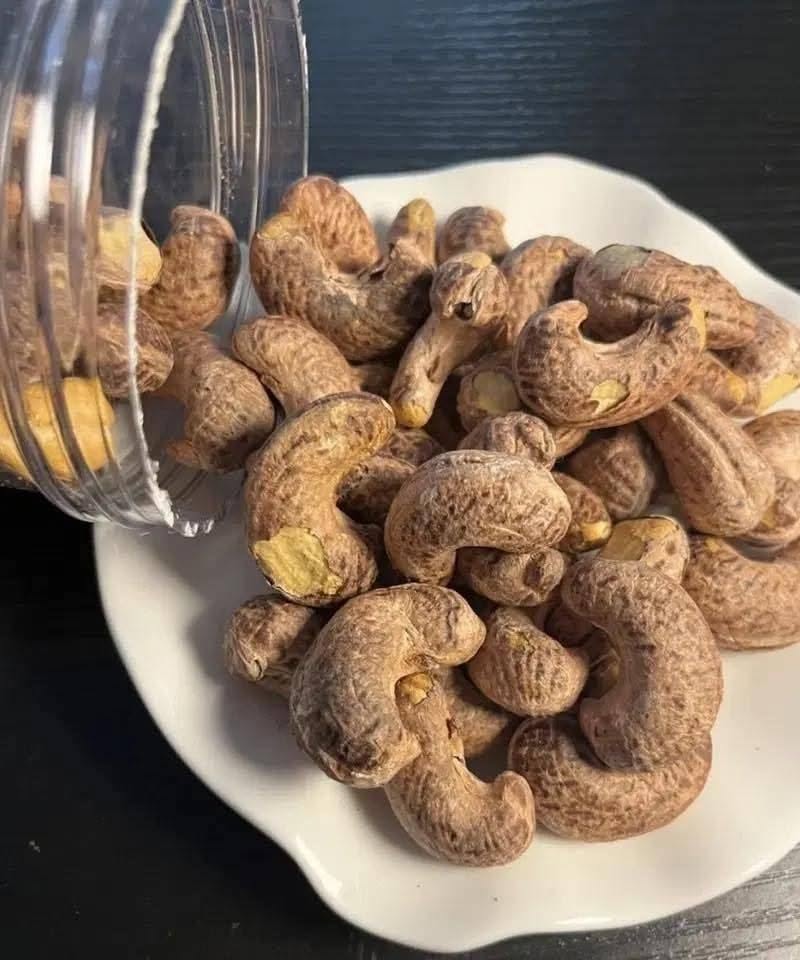
Brown Skin Cashews: Are they healthier or not?
Pages: 1 2
